Glass
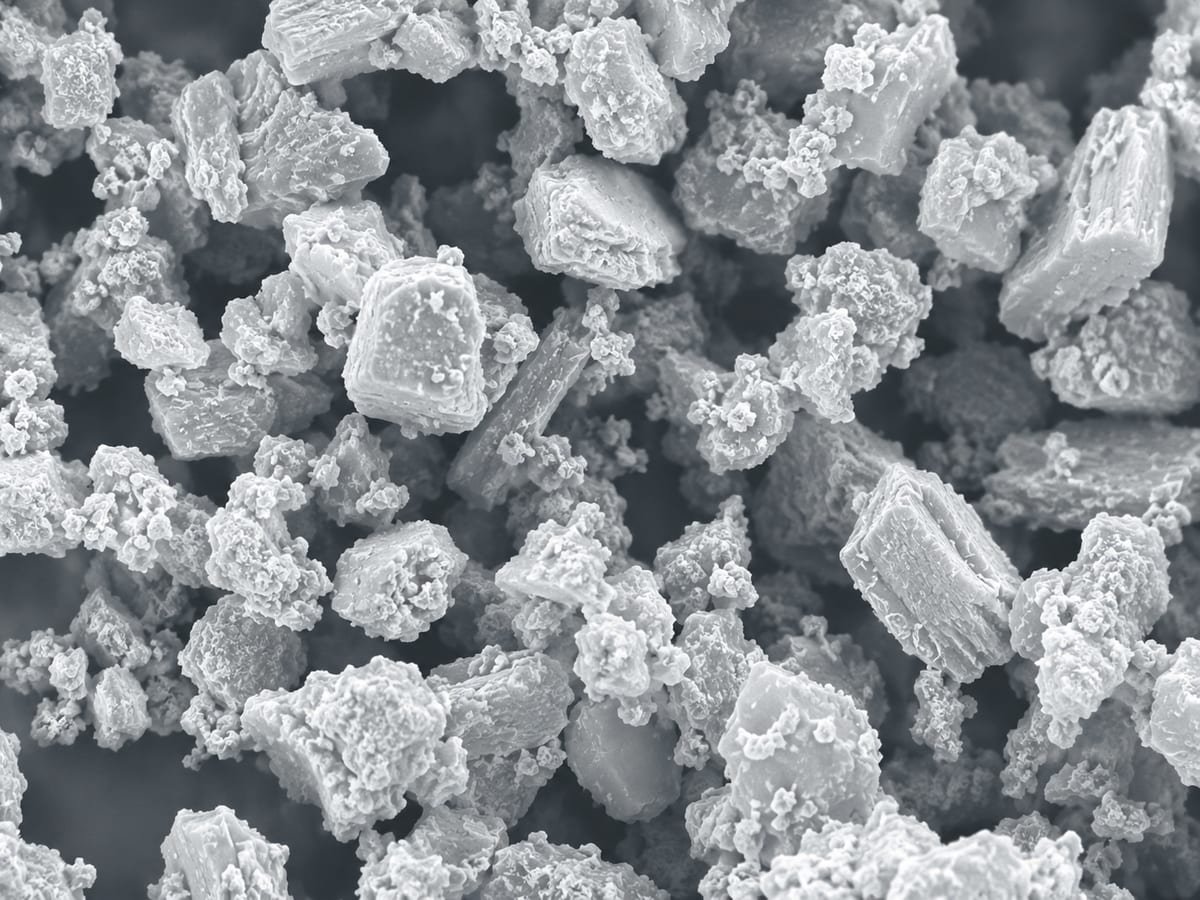
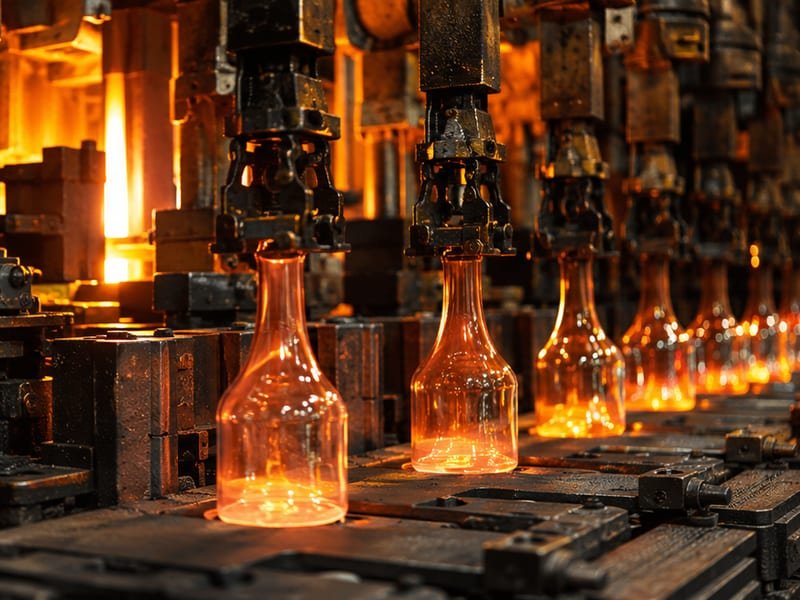
Glass manufacturing depends on a precise blend of raw materials — silica sand as the structural base, soda ash as the primary flux, and limestone, dolomite, and feldspar to control durability and viscosity. PlaxRaw supplies these materials to furnace-grade quality.
Applications
Same soda-lime batch as the general furnace mix, with iron content held tighter (roughly 0.08-0.12% Fe₂O₃) for optical clarity across large panes.
Same soda-lime batch, but with a much larger share of recycled cullet (commonly 35-75%) displacing virgin raw materials.
Not soda-lime glass — fiberglass is typically E-glass, an alumino-borosilicate/calcium-silicate formulation with little to no soda ash.
Same soda-lime family, sourced from ultra-low-iron sand (roughly 120-150 ppm Fe₂O₃ vs. ~800-1,000 ppm standard) to maximize light transmission.
Same soda-lime batch, with deliberate colorant and opacifier additions (metal oxides, fluorosilicates) layered on top for color or opacity.
Not soda-lime glass — technical/borosilicate glass runs high-silica (70-80% SiO2) with 7-13% B2O3 replacing most of the soda ash and limestone, for thermal-shock resistance.
Same soda-lime batch, with iron deliberately raised (roughly 0.5% total iron) rather than minimized, to tint the glass green and block infrared heat.
Same soda-lime batch, with small documented metal-oxide colorant additions (iron, chromium, cobalt, selenium) added to reach specific facade tint targets.
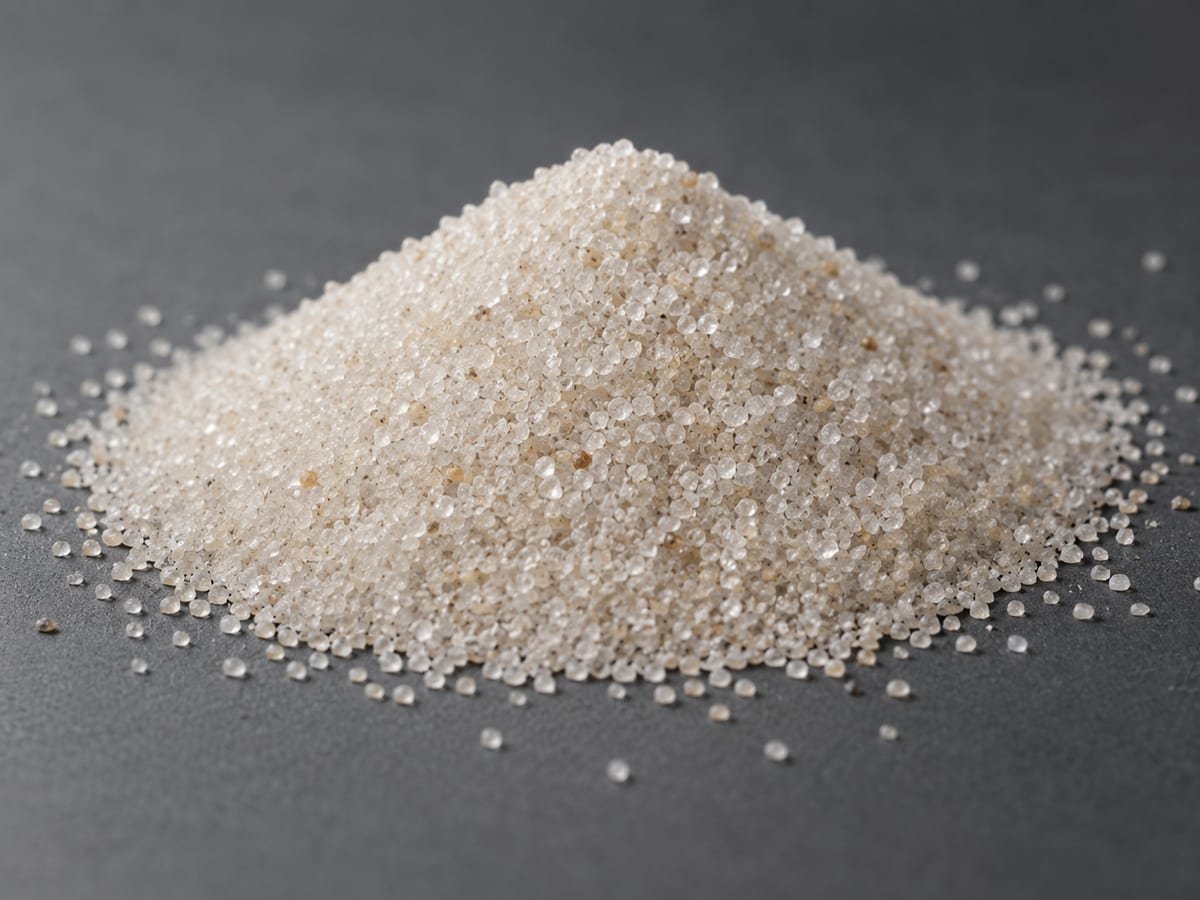
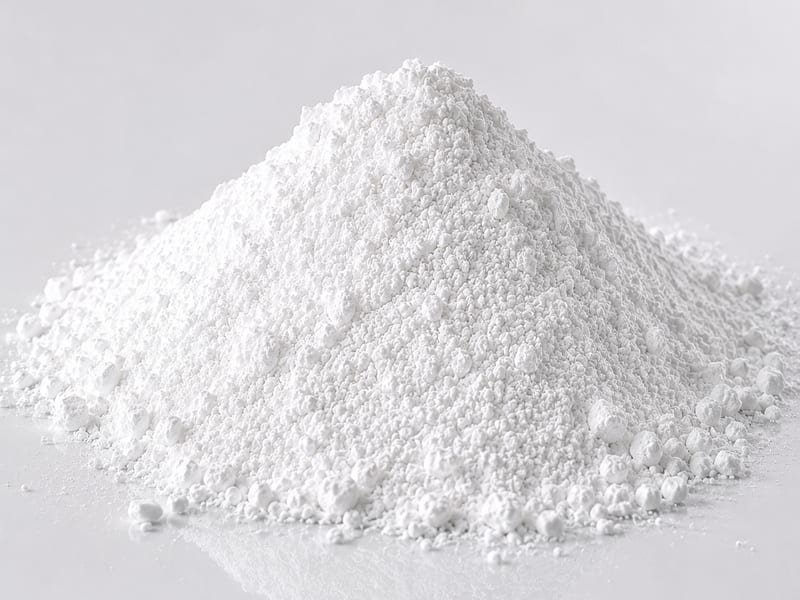

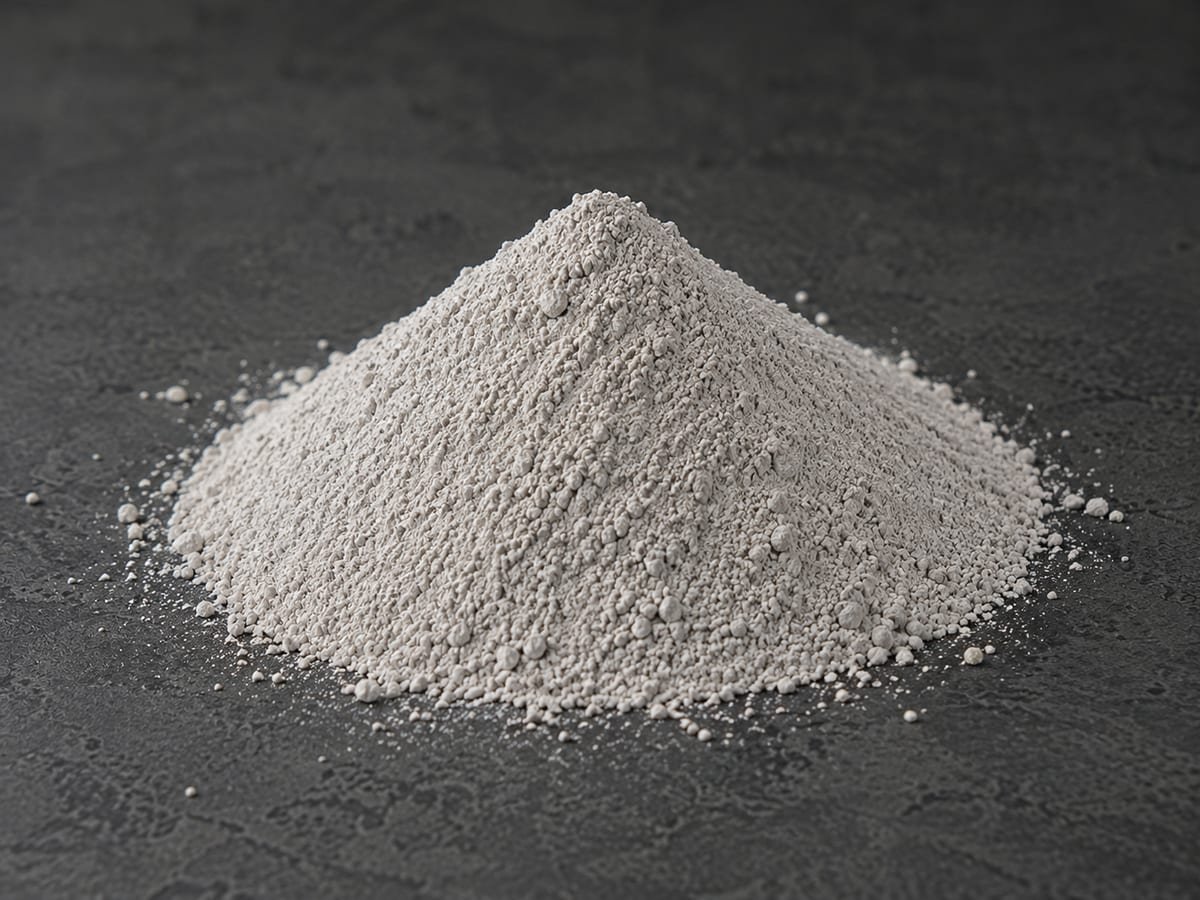
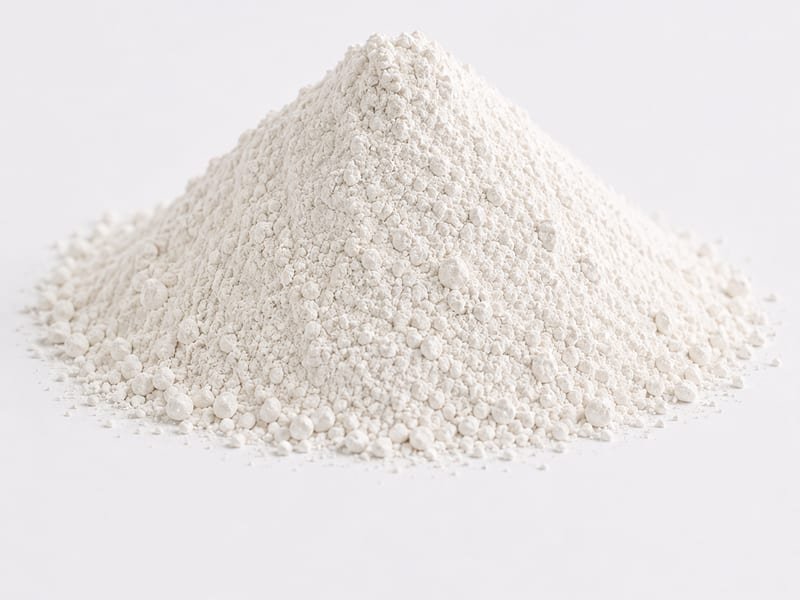
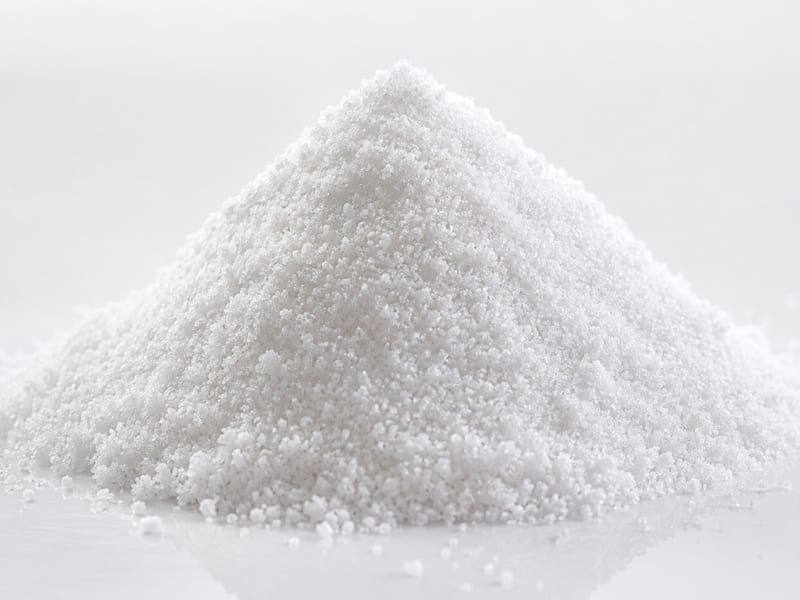
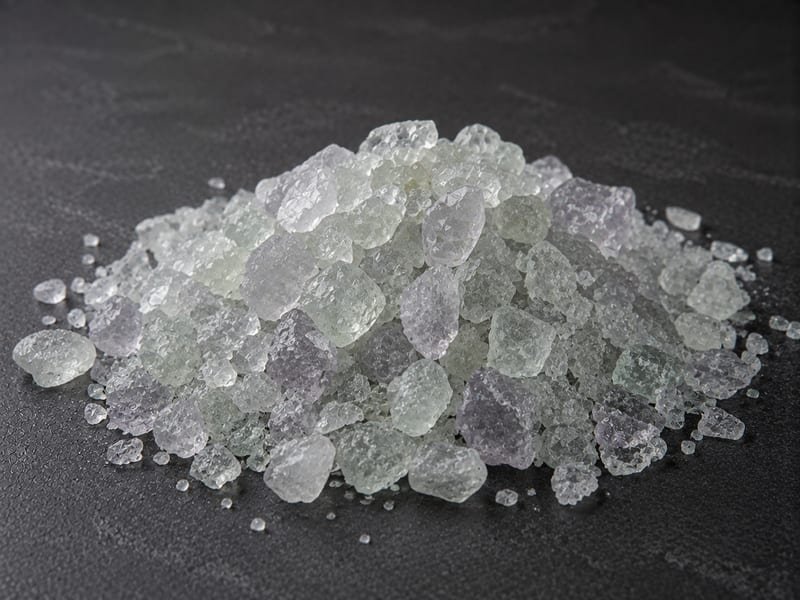
Bars show the approximate share in a general soda-lime-silica furnace batch; these percentages don't apply to fiberglass or technical glass, which are a different chemistry family (see the note above).
Common Manufacturing Challenges
Low Glass Transparency
Read More →High Energy Consumption During Melting
Read More →Air Bubbles and Gas Inclusions
Read More →Black Specks and Contamination
Read More →Glass Cracking During Cooling
Read More →Inconsistent Chemical Composition
Read More →Poor Surface Quality
Read More →Furnace Wear and Refractory Contamination
Read More →Batch Mixing Inconsistency
Read More →Color Variation Between Production Batches
Read More →What Are You Trying to Improve?
A direct shortcut to the problem you're looking to solve.