Glass that cracks or shatters after forming — whether immediately or after a delay — is a total loss of that piece, and when the failure happens after the product has already shipped, it can become a safety and liability issue rather than just a production one.
Root Causes
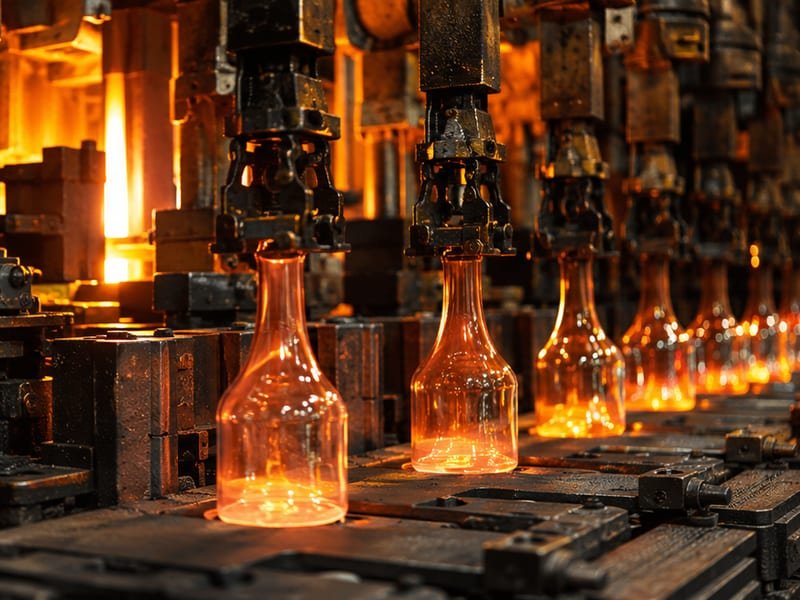
The dominant, best-documented cause is thermal stress from uneven cooling. When glass cools, its exterior contracts and rigidifies before the interior does, and if that differential cooling isn’t controlled, it locks residual stress into the piece. This is exactly what the annealing process (a controlled, slow pass through a temperature-controlled oven called a lehr) exists to relieve: glass that is inadequately annealed retains internal stresses from the initial cooling and becomes prone to cracking or shattering under comparatively small subsequent temperature changes or mechanical stress — stress that properly annealed glass would tolerate without issue.
A second, distinct mechanism is devitrification — unwanted crystallization within the glass, most likely to occur while the material sits in a specific high-viscosity temperature range during forming and cooling. Crystallized regions behave mechanically and thermally differently from the surrounding amorphous glass matrix, and that mismatch can create localized stress concentrations that make cracking more likely in and around the affected zone, on top of whatever stress the cooling profile itself introduces.
A separate and mechanistically unrelated cause, specific to tempered glass, is worth distinguishing from the two above: nickel sulfide inclusions can cause delayed, spontaneous breakage well after installation, driven by a slow solid-state phase change in the NiS particle that expands its volume and generates highly localized internal stress. This is a contamination-driven failure mode tied to tempering, not to the annealing/devitrification pathway described above, and it is managed through heat-soak testing rather than batch chemistry.
What This Means for Raw Material Selection
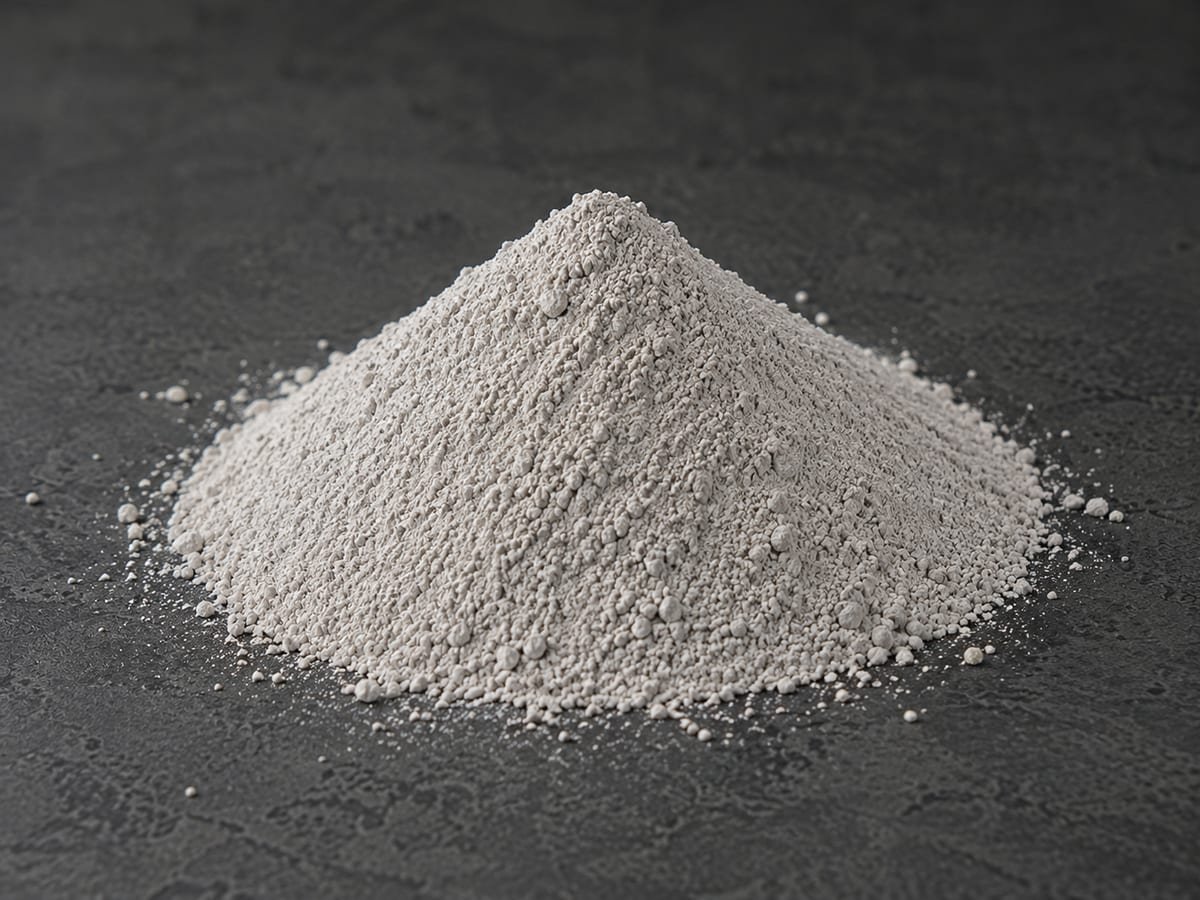
For the annealing-and-thermal-stress pathway, the primary controls are process controls — the lehr’s cooling schedule and rate, not raw material chemistry — and that should be stated plainly rather than overstated in the other direction. Where a genuine raw-material connection exists is on the devitrification side: dolomite is added to soda-lime-silica batches specifically to supply MgO (typically 3-5% of batch weight) alongside limestone’s CaO, and its documented function is preventing devitrification during forming. Since devitrified zones are a contributing factor in crack initiation, correctly dosed MgO from dolomite is a real, if secondary, lever against this particular cracking pathway — not against thermal-stress cracking from a poorly controlled anneal, which dolomite content does not address.
This connection also has a documented ceiling: research on MgO’s role in glass indicates there is a point past which additional MgO stops helping and can itself reduce devitrification resistance, so dolomite dosing is a “correctly specified amount,” not a “more is better” input. In practice, a buyer troubleshooting cracking should look first at the annealing schedule and cooling profile, and treat dolomite/MgO batch consistency as a supporting check specifically relevant to devitrification-linked failures, not a substitute for proper annealing.
Sources: general glass science and conservation literature on annealing, thermal stress, and strain cracking; technical literature on MgO’s role in inhibiting glass devitrification and its documented practical ceiling; glass industry and engineering literature on nickel sulfide inclusions and spontaneous breakage in heat-treated glass, cited here to distinguish it from the annealing/devitrification mechanisms above.