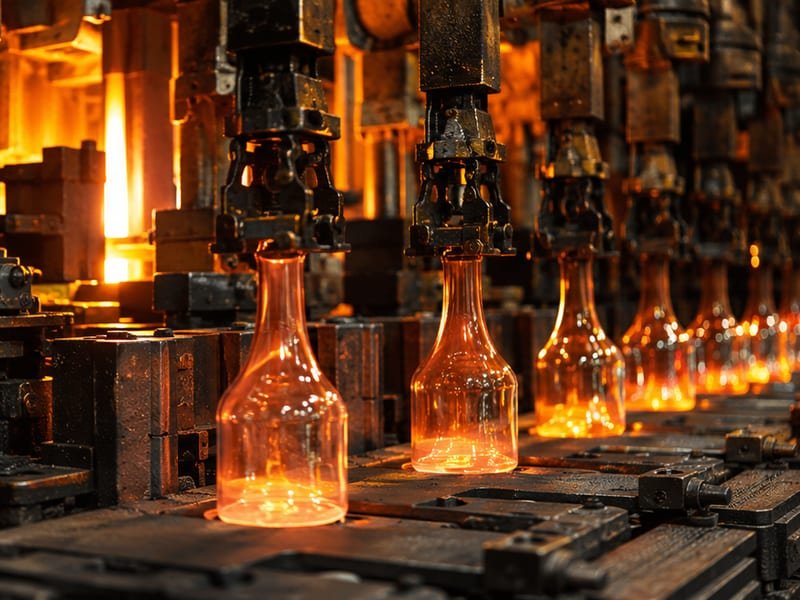
Melting is the single largest energy cost center in glass manufacturing, and because energy is one of the few major cost lines a producer can actually influence furnace-by-furnace, inefficiency here shows up directly in unit economics and in a plant’s CO₂ footprint.
Root Causes
Industry energy studies consistently find that melting and refining account for the large majority of total process energy in glass production — commonly cited in the 75-85% range for container glass — with batch preparation and forming consuming comparatively little by contrast (a US DOE-supported Lawrence Berkeley National Laboratory ENERGY STAR study; ACEEE industry energy-efficiency papers). Within melting itself, several factors compound:
- Furnace design and age. Overall thermal efficiency varies widely, roughly 20-60% depending on whether a furnace uses regenerative heat recovery, recuperative heat recovery, or neither, alongside its size and general condition. Older or poorly maintained furnaces lose proportionally more heat to exhaust gases and structure.
- Cullet ratio. Recycled glass (cullet) melts at a lower temperature than raw batch because it skips the decomposition reactions raw carbonates still have to go through. Industry studies commonly cite a roughly 20-30% furnace energy reduction range as cullet content in the batch increases, making cullet ratio one of the single biggest energy levers available to an operator.
- Heat recovery gaps. Preheating incoming batch or cullet using furnace exhaust heat, and using recuperators to preheat combustion air, are established efficiency measures — the technology roadmap literature cites double-digit percentage energy savings from these where they’re implemented well, and comparable losses where they’re absent or poorly maintained.
- Batch chemistry and required melt temperature. Pure silica alone requires an impractically high temperature to melt into usable glass at commercial rates, which is why every real soda-lime-silica batch includes flux materials specifically to lower that temperature (see below).
What This Means for Raw Material Selection
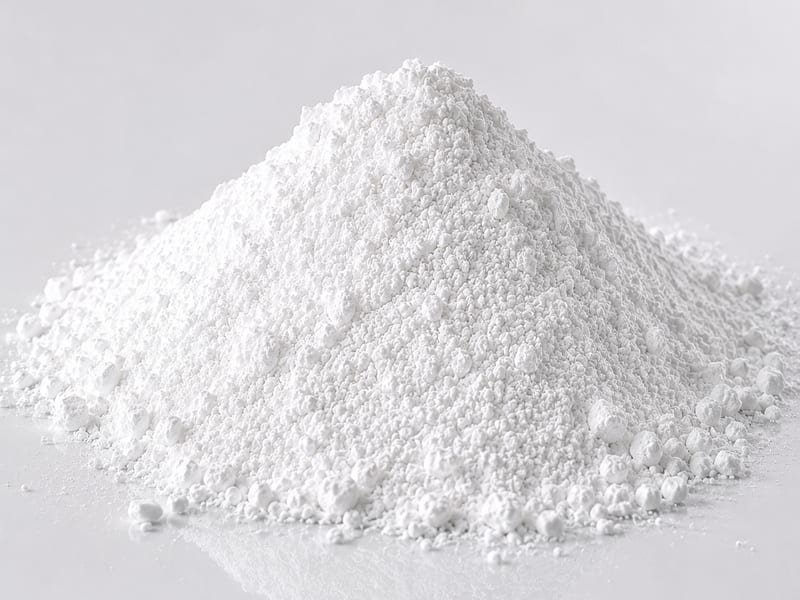
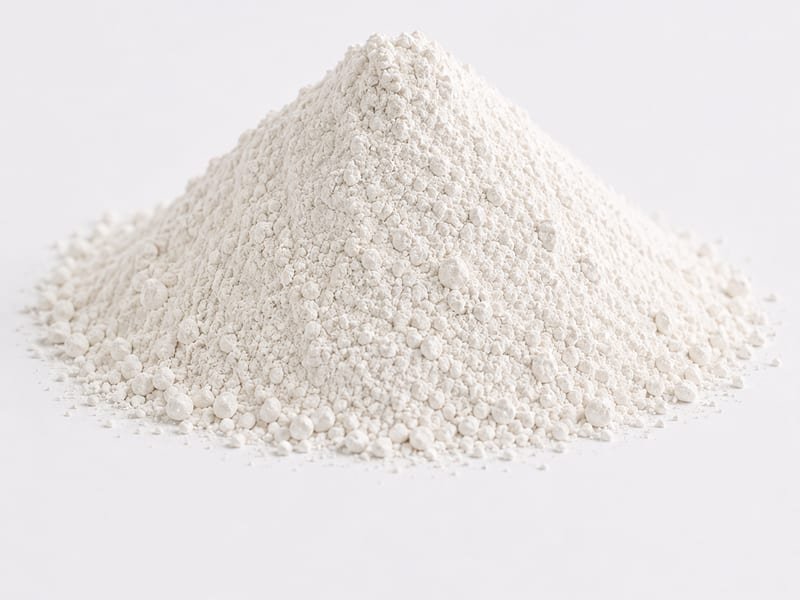
Fluxing agents exist for exactly this reason: soda ash is the primary fluxing agent in a standard soda-lime-silica batch, and its documented function is lowering the melting temperature of the silica charge, not reducing how much silica the furnace needs — the silica load is set by the target glass chemistry regardless. Feldspar performs a comparable flux role in glass batches where it’s used, alongside its parallel role as a ceramics flux. Consistent, correctly dosed flux material supports stable furnace temperature control and helps avoid the kind of unplanned superheating that wastes energy and stresses refractories.
That said, raw material selection is a secondary lever here, not the primary one. The research is clear that furnace design, heat recovery infrastructure, and cullet ratio are where the large percentage-point energy savings actually come from; getting flux dosing right keeps a furnace running at its designed temperature, but it does not substitute for furnace-side efficiency investment. A buyer focused on energy costs should treat consistent, well-specified soda ash and feldspar supply as table stakes for stable operation, and look to furnace technology and cullet sourcing for the larger wins.
Sources: US DOE-supported Lawrence Berkeley National Laboratory, “Energy Efficiency Improvement and Cost Saving Opportunities for the Glass Industry” (ENERGY STAR guide); ACEEE glass industry energy-efficiency proceedings; IEA glass sector technology roadmap literature on cullet and heat-recovery savings.