
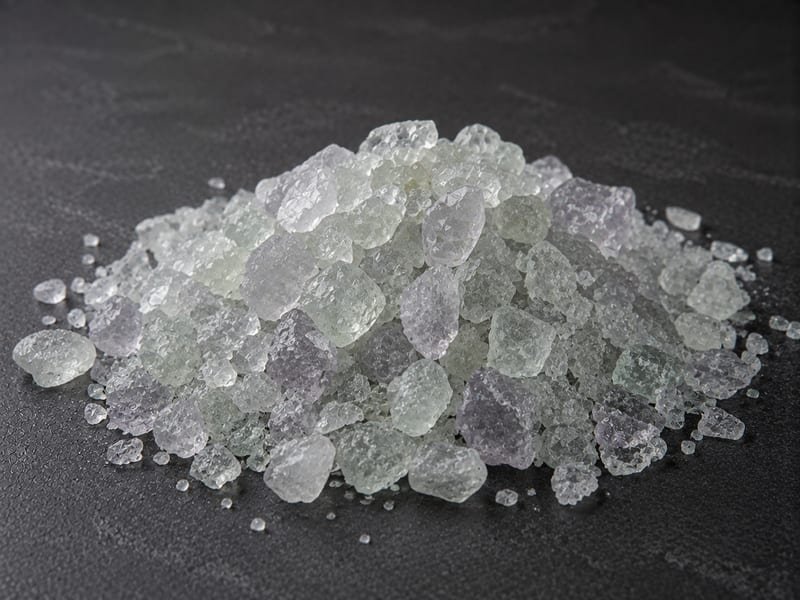
Fluorspar (Fluorite) — CaF₂
Select fluorspar by grade, CaF2 assay, impurities, moisture and particle size. Read batch CoA, compare delivered cost and prepare Saudi or Gulf sourcing enquiries.
Overview
Fluorspar, also called fluorite, is the industrial mineral calcium fluoride (CaF₂). Buyers select it by application, chemistry and physical form: acid grade for fluorochemical feedstock, metallurgical grade for suitable fluxing processes, and ceramic grades for selected glass and enamel formulations. A purity headline alone does not establish that a shipment will work in your plant.
Fluorspar, fluorite and feldspar: identify the right material
Fluorite is the mineral name; fluorspar is widely used in industrial trade. Feldspar is a different family of silicate minerals and is not an equivalent source of CaF₂. Coloured decorative fluorite crystals are also not evidence of industrial-grade chemistry. Specify the material name, formula, intended process and a representative analysis rather than colour or a photograph. See the separate feldspar guide when that is the raw material required.
Acid grade vs metallurgical and ceramic grade
The names below are a selection framework, not a PLAXRAW stock list or a universal acceptance standard. Eurofluor describes acid-grade concentrate at a minimum of 97% CaF₂; supplier contracts may require a higher assay and additional impurity limits. Its published ranges for other grades differ from historical classifications, so always use the agreed purchase specification.
| Grade | Process to discuss | Checks before selection |
|---|---|---|
| Acid grade / acidspar | Feedstock for industrial HF and downstream fluorochemicals | CaF₂, silica and carbonates; analysis basis, moisture and feed form |
| Metallurgical grade / metspar | Fluxing applications in steelmaking and selected cement processes | Plant-approved chemistry, size distribution, fines and impurity limits |
| Ceramic grade | Selected glass and enamel formulations | Formulation compatibility, colour-related impurities, particle size and trial results |
The PR-A97, PR-C95, PR-C85 and PR-M60 codes shown on this page are reference classifications, not confirmed supplier grades or available inventory. Historical “effective CaF₂” is a silica-adjusted calculation, distinct from total CaF₂ assay and from the dry-mass calculation below. Confirm its definition if a contract uses it; a historical minimum is not an approval criterion for every furnace. References: Eurofluor grade overview and historical US Bureau of Mines classification.
Read the TDS and a batch CoA together
A technical data sheet describes the offered product; a certificate of analysis identifies results for a particular batch. Ask for matching grade and lot identifiers, sampling details, test methods, units and analysis basis. A generic brochure cannot substitute for evidence about the lot being evaluated.
| Field to clarify | What the purchasing team should establish |
|---|---|
| CaF₂ assay | Actual batch result, contractual minimum and dry or as-received basis |
| SiO₂ and CaCO₃ | Individual results and process-specific limits; distinguish Si from SiO₂ |
| Sulfur, phosphorus and iron | Whether each is required, the reported chemical form and method; set limits from the process specification |
| Moisture | Sampling time and test basis; reconcile delivered mass with dry material |
| Particle size | Size band or sieve distribution, percentage within range and fines; do not treat an unexplained mesh number as a complete specification |
| Identity and sampling | Lot, sampling location, representative sample and independent verification when agreed |
These are questions for qualification, not universal numerical limits. Published supplier data demonstrates why checking matters: Euromark’s displayed acid-grade page has a title mentioning 97% but a body table naming metallurgical grade and 90%. Resolve such inconsistencies with the supplier’s current controlled document before accepting a specification. SGS describes fluorspar inspection and laboratory services, including quantity checks and quality sampling; this is not a claim that PLAXRAW has commissioned those services.
Lumps, powder and trial acceptance
Match the form to the feeding system and process. A powder assay cannot establish the suitability of lump material, and two shipments with the same total CaF₂ can have different moisture, fines and impurity profiles. Record packaging and handling requirements alongside chemistry.
| Question in the plant | Evaluation approach |
|---|---|
| Material does not feed consistently | Compare size distribution, fines and moisture against the accepted feed specification |
| Chemistry passes but product results vary | Check representative sampling, lot variation and operating conditions before blaming purity alone |
| Considering a different flux grade | Compare against the current approved material under a documented, controlled plant trial |
| Considering glass or enamel use | Evaluate the actual formulation and final appearance; mineral colour does not establish acceptance |
Agree pass/fail criteria before a trial: relevant product quality, process stability, consumption and any plant-specific refractory or emissions requirements. Keep a record of baseline operating conditions and change one defined factor where practicable. There is no universal addition rate or guaranteed fuel saving on this page. Orbia documents metspar applications in steel and cement; Eggerding identifies dry acid-grade applications including welding, foundry and ceramics. Those application statements do not validate a particular PLAXRAW batch.
Use the current supplier SDS and the facility’s approved handling procedures. HF production belongs in qualified industrial facilities; this guide is a material-selection reference, not a chemical production procedure.
Compare delivered cost on the same basis
For an illustrative calculation, assume 1,000 kg as received, 5% moisture by wet mass and 90% CaF₂ in the dry solids. Dry solids = 1,000 × 0.95 = 950 kg; contained dry CaF₂ = 950 × 0.90 = 855 kg. This is mass accounting, not historical “effective CaF₂”, a reactivity prediction or a supplier specification.
| Comparison item | Record on both quotations |
|---|---|
| Price basis | Currency, wet or dry tonne, quotation date and validity |
| Delivered scope | Agreed delivery term, destination and included/excluded costs |
| Accepted material | Chemistry, moisture, size, sampling and rejection terms |
| Process outcome | Cost against accepted trial performance, not purity or price alone |
Dividing comparable delivered cost by contained dry CaF₂ can help explain a mass-basis difference. It cannot make an unsuitable grade acceptable. Obtain current quotations rather than applying a marketplace price range to all fluorspar.
Discuss requirements for Saudi Arabia and the Gulf
For a fluorspar sourcing enquiry, state the application, CaF₂ minimum, impurity limits, analysis basis, moisture, size distribution, trial quantity or recurring requirement, packaging and destination city or port. Include the required TDS, batch CoA and SDS. Confirm origin, available grade, inspection terms, delivery scope and timing in the written quotation.
Use Request a quote, choose Other if fluorspar is not listed, and describe the specification in the message. An enquiry does not establish stock, a confirmed sample, price or delivery commitment. For related process context, see glass applications, construction materials and silica sand.
Content updated:
Key Applications
The material's role changes by industry — click any industry to see its full page.
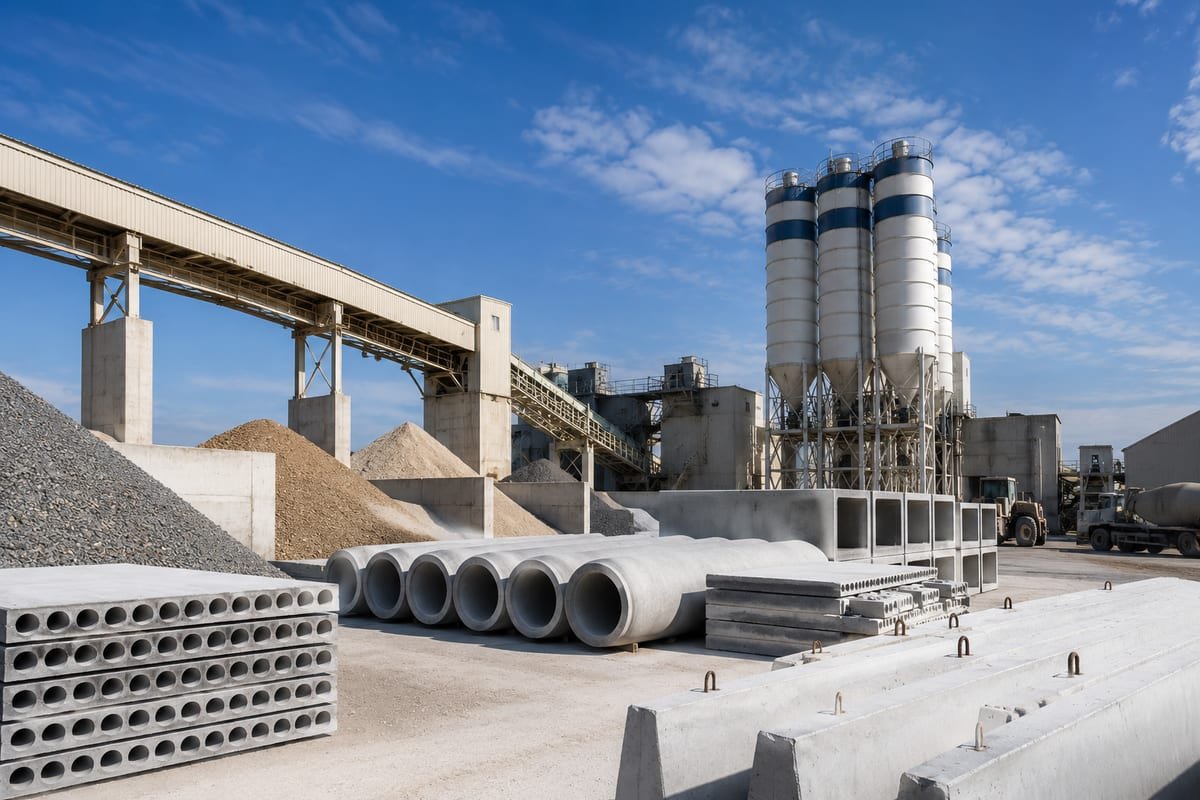
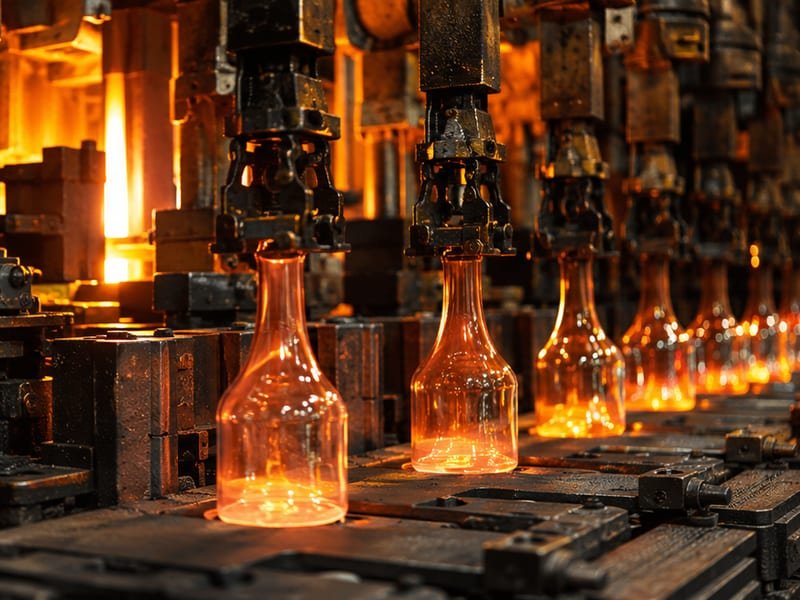
Physical Properties
| Property | Typical Value | Note |
|---|---|---|
| Chemical Formula | CaF₂ | Definitional |
| Specific Gravity | 3.0–3.3 | Mineral reference — University of Minnesota; not bulk density |
| Hardness (Mohs) | 4 (defining mineral for this hardness grade) | Mineral reference — University of Minnesota |
| Acid Grade (acidspar) CaF₂ | > 97% | Historical classification — USGS Yearbook2003; contract specification governs |
| Ceramic Grade (No. 1) CaF₂ | 95-96% | Historical classification — US Bureau of Mines 1985; contract specification governs |
| Metallurgical Grade (metspar) CaF₂ | ≥ 60% effective CaF₂ | Historical classification — US Bureau of Mines 1985; contract specification governs |
These are typical published values for the material in general, not a certificate of analysis (COA) for a specific shipment. Actual per-batch values are set by the COA accompanying supply.
Grades
Grade and Specification Guide
These reference codes illustrate grade categories and specifications for comparison and selection. The commercial grade and final specification are determined by your application requirements, the technical data sheet and the batch certificate of analysis.
Standards & Technical References
Every claim on this page traces back to a verifiable reference:
- USGS Minerals Yearbook2003 — historical acid-grade classification
- Eurofluor — grade overview (industry association)
- US Bureau of Mines — Mineral Facts and Problems 1985, p279 (historical classifications only)
- SGS — fluorspar sampling and inspection services
- Orbia Fluor & Energy Materials — Metspar applications
- Eggerding — dry acid-grade applications
- University of Minnesota — fluorite properties
Frequently Asked Questions
Is fluorspar the same as feldspar?
No. Fluorspar is calcium fluoride, CaF₂; feldspar is a different silicate mineral family. Specify the formula and application.
How do acid and metallurgical grades differ?
Acid grade is high-purity feedstock for fluorochemicals; metallurgical grade serves suitable fluxing applications. The process specification sets impurity, moisture and size limits.
Is CaF₂ purity alone enough to accept a shipment?
No. Check batch CoA, analysis basis, impurities, moisture, size distribution and representative sampling, then plant trial acceptance.
How should fluorspar quotations be compared?
Align grade, mass basis, currency, delivery scope, documents and destination. The page calculation is illustrative, not a price or available grade.
What belongs in a Saudi or Gulf sourcing enquiry?
State application, chemistry limits, moisture, size, quantity, packaging and destination; request TDS, CoA and SDS. Confirm availability, timing and price in writing.


