
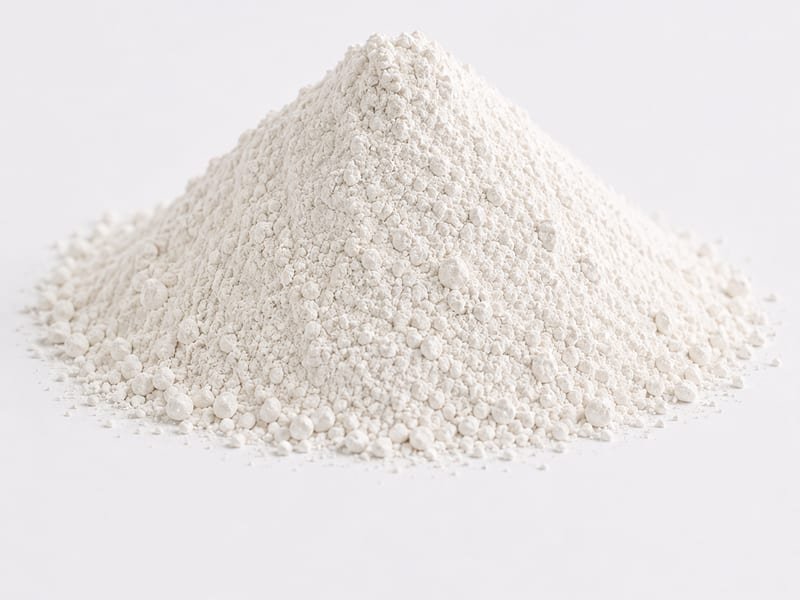
Feldspar
How feldspar is used as a flux in glass and ceramics production, and what firing research shows about particle size and sodium vs potassium content.
Overview
Feldspar functions as a flux in both glass and ceramics, industries that together accounted for essentially all of its 2024 U.S. end use. This page covers that role and what firing research shows about how particle size and feldspar type affect the outcome.
What is it?
Feldspar is used as a flux — a material that lowers the melting or firing temperature of the batch it’s added to. In 2024, glass manufacturing accounted for an estimated 50% of U.S. feldspar and nepheline syenite end use, with ceramic tile, pottery, and other uses making up the other 50%. It’s typically ground to about 20 mesh for glassmaking and to 200 mesh or finer for most ceramic and filler applications.
Why should I use it?
- It’s a flux with well-documented, roughly even demand across both glass and ceramics — see “What is it?” above.
- Its particle size and sodium/potassium content directly affect firing outcomes, not just its presence in the mix — see Limitations.
How it’s used
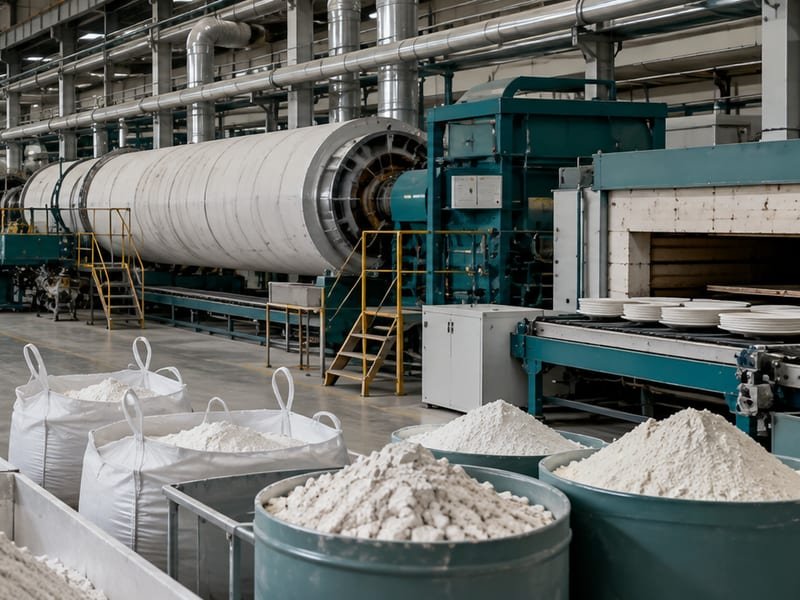
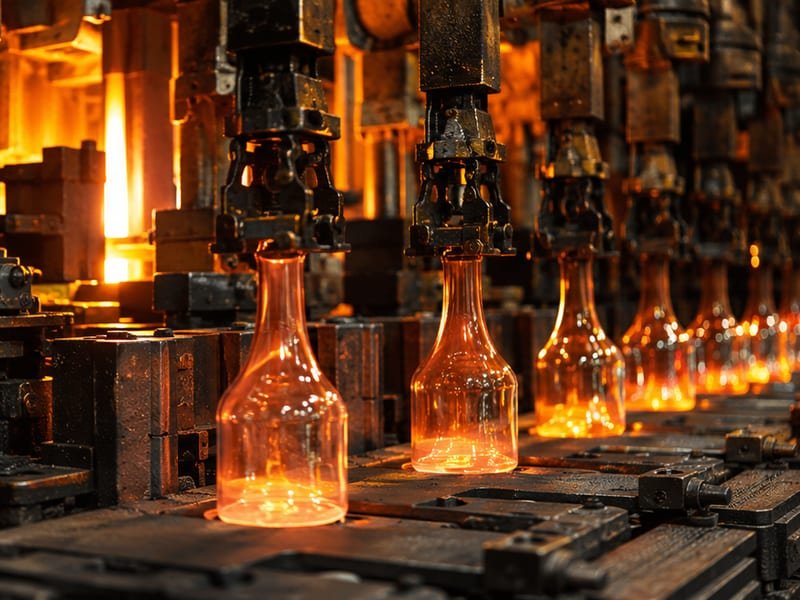
In Glass, feldspar is ground to about 20 mesh and used as a flux to lower melting temperature. In Ceramics, it’s ground to 200 mesh or finer for the same flux function in tile, pottery, and related applications.
Limitations — when it isn’t the right choice
- In one documented firing study, coarser particle size and potassium-rich feldspar both measurably increased water absorption in fired ceramic bodies — a real quality outcome, not a minor detail. A 2014 peer-reviewed study using a fixed slip formulation (50% clay, 25% quartz, 25% feldspar) fired at 1240°C compared two feldspar particle sizes (45 and 75 microns) and three flux compositions (sodium-based, potassium-based, and a mix). The finer 45-micron particle size reduced water absorption by 0.39–0.8% compared to 75 microns, and increasing the sodium oxide content in the feldspar reduced water absorption from about 1% to near zero compared to the potassium-rich version. This was documented for one specific formulation and firing cycle; it should not be assumed that every commercial feldspar grade and ceramic body responds identically without checking its own firing data.
Key Applications
The material's role changes by industry — click any industry to see its full page.
Physical Properties
| Property | Typical Value | Note |
|---|---|---|
| Chemical Formula | (K,Na)AlSi₃O₈ | Definitional |
| SiO₂ (potash feldspar) | ≈ 64.8% | Typical published value — digitalfire.com |
| Al₂O₃ (potash feldspar) | ≈ 18.3% | Typical published value — digitalfire.com |
| K₂O (potash feldspar) | ≈ 17% | Typical published value — digitalfire.com |
| Specific Gravity | ≈ 2.55-2.76 | Typical published value — geology.com |
| Hardness (Mohs) | 6-6.5 | Typical published value — geology.com |
These are typical published values for the material in general, not a certificate of analysis (COA) for a specific shipment. Actual per-batch values are set by the COA accompanying supply.
Grades
Grade and Specification Guide
These reference codes illustrate grade categories and specifications for comparison and selection. The commercial grade and final specification are determined by your application requirements, the technical data sheet and the batch certificate of analysis.
Standards & Technical References
Every claim on this page traces back to a verifiable reference:
- Tier 1Government PublicationUSGS — Mineral Commodity Summaries 2025, Feldspar and Nepheline Syenite
- Tier 2University/ResearchFeldspar and firing cycle effects on the evolution of sanitary-ware vitreous body, Ceramics International, 2014, Vol. 40
- Tier 3Material Databasedigitalfire.com — Potash Feldspar material data
- Tier 3Educational Referencegeology.com — Feldspar Minerals
Frequently Asked Questions
What is feldspar's primary function in glass and ceramics?
It functions as a flux — a material that lowers the melting or firing temperature of the batch it's added to. Glass and ceramics together accounted for essentially all of its 2024 U.S. end use, roughly split 50/50 between the two.
What grinding size is used for glass versus ceramics?
It's typically ground to about 20 mesh for glassmaking, and to 200 mesh or finer for most ceramic and filler applications.
Does feldspar particle size affect ceramic firing quality?
Yes. In a 2014 peer-reviewed study on a fixed formulation fired at 1240°C, the finer 45-micron particle size reduced water absorption by 0.39-0.8% compared to 75 microns.
Does sodium-rich versus potassium-rich feldspar make a difference in firing results?
Yes. In the same study, increasing the sodium oxide content in the feldspar reduced water absorption from about 1% to near zero compared to the potassium-rich version.
Do this study's findings apply to every commercial feldspar grade?
No. This was documented for one specific formulation and firing cycle; it should not be assumed that every commercial feldspar grade and ceramic body responds identically without checking its own firing data.


