
Silica Sand: Uses, Properties and Grade Selection
Learn silica sand uses, quartz hardness, specific gravity and bulk density, then compare the purity and grading data needed for glass, filtration and construction.
Overview
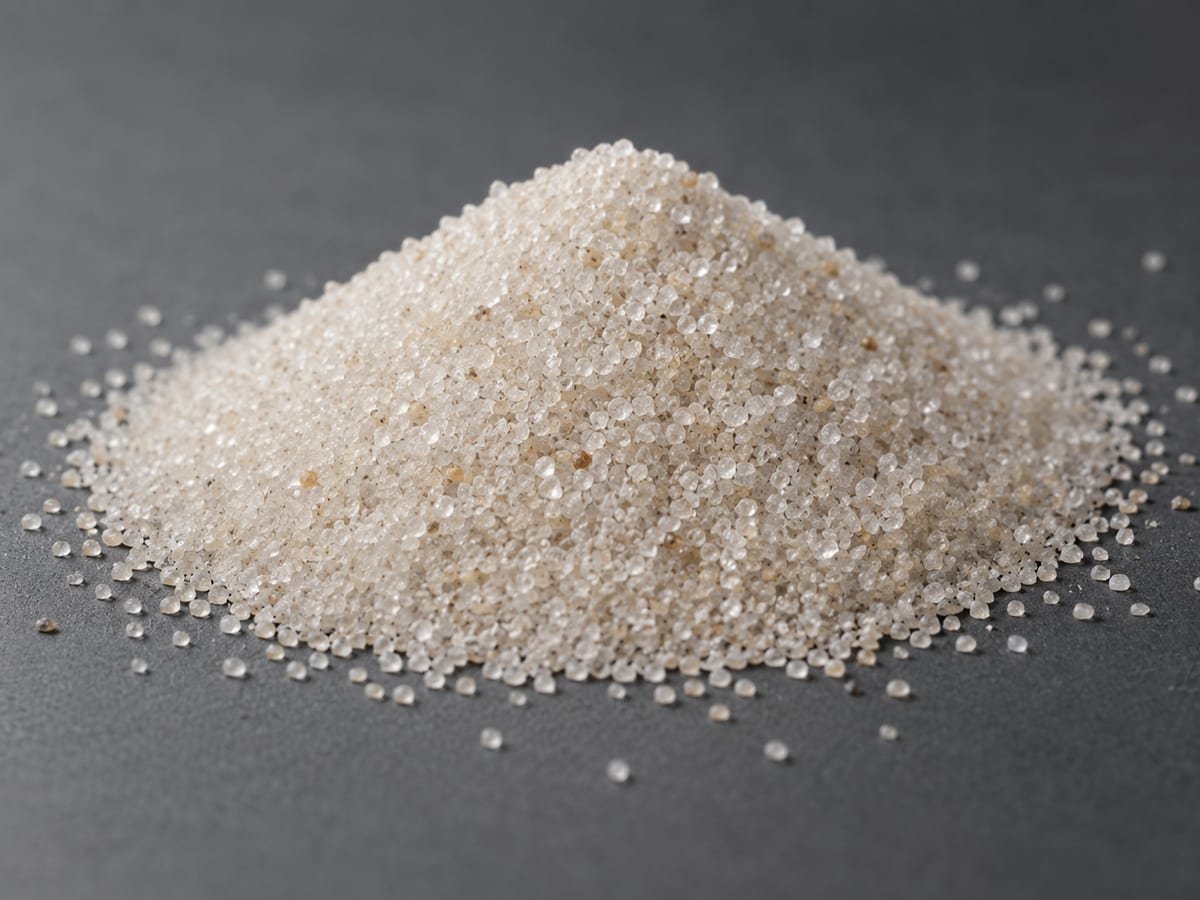
Silica sand is sand composed mainly of quartz, crystalline silicon dioxide (SiO₂). It is used in glass, foundries, filtration, construction and selected oil-and-gas applications. The right grade depends on chemistry, particle size and the application’s tests; a single purity threshold does not define suitability for all industries.
How do silica sand uses change the specification?
| Application | Data to review |
|---|---|
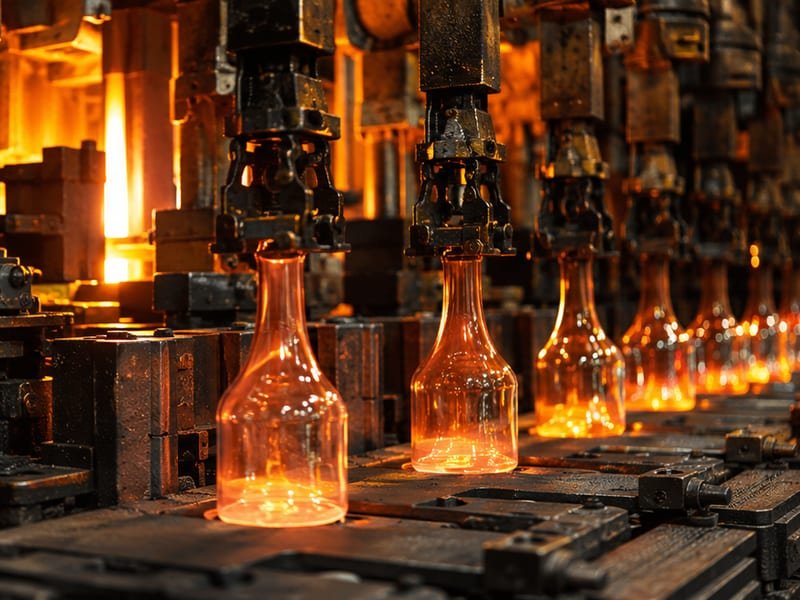
| Glass | SiO₂ assay, iron and other impurities, batch requirements |
| Foundry | Grain distribution and shape, binder-system compatibility |
| Water filtration | Grading, cleanliness and the filter design’s media requirements |
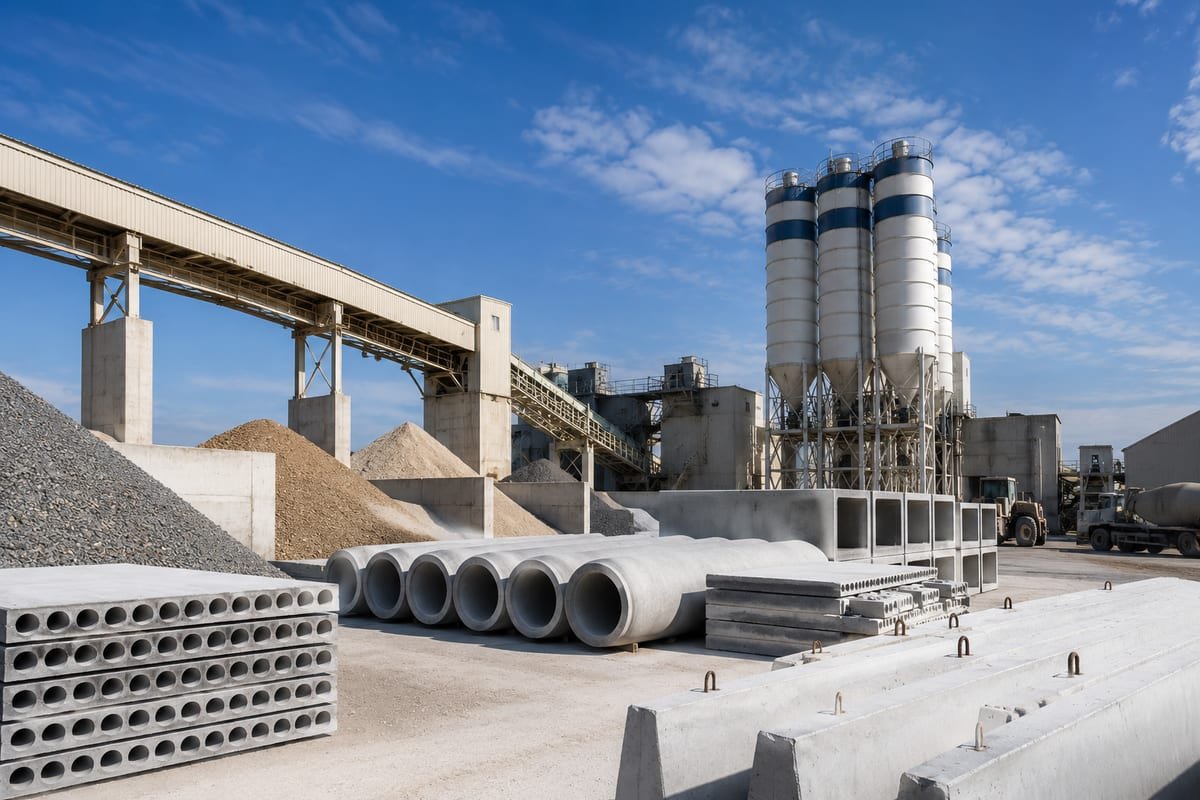
| Concrete | Aggregate grading and applicable quality requirements |
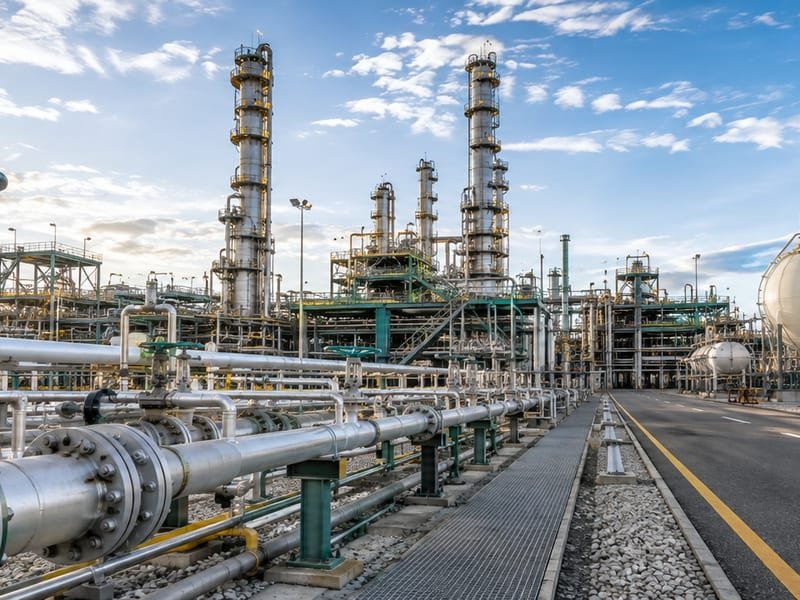
| Proppant | Size, shape and strength tests for the specified operating conditions |
U.S. Silica’s foundry and filtration pages describe different product requirements. A sand accepted for one use is not automatically qualified for another.
Hardness, specific gravity and bulk density
Quartz has a Mohs hardness of 7; this mineral value does not describe every mixed sand. Specific gravity is dimensionless and concerns the solid material. Bulk density includes voids between grains and varies with grading and packing. Do not use a bulk-density value as the density of quartz particles, or transfer proppant-grade figures to every silica sand.
Is 95% SiO₂ a universal selection rule?
No. A silica-content threshold in a customs classification is not a universal glass, filter or foundry specification. Determine acceptable SiO₂ and impurity limits from the intended application, the agreed specification and the proposed grade’s analysis.
Filtration or concrete: what should you check?
Sand filtration removes particles physically; it does not automatically provide disinfection or replace chemical treatment. For concrete, purity alone is insufficient: use the ASTM C33 grading guide to understand sieve analysis and aggregate acceptance.
Handling and grade qualification
Dust can arise during handling, transfer and processing. Review the grade’s SDS, site-specific exposure assessment and applicable local requirements; packaged sand must not be assumed dust-free. Before selecting a grade, request chemistry, sieve distribution, moisture and relevant application tests, then agree a trial. The numerical reference properties and reference grade examples below are not a shipment certificate.
Sources and scope
Manufacturer products and research results cited here are reference examples, not specifications or certifications for a PLAXRAW grade.
Content updated:
Key Applications
The material's role changes by industry — click any industry to see its full page.

Physical Properties
| Property | Typical Value | Note |
|---|---|---|
| SiO₂ Content and Impurities | Application-specific | Review the proposed grade analysis and agreed specification |
| Mohs Hardness | 7 | Typical published value — ScienceDirect Topics |
| Specific Gravity | ≈ 2.40 – 2.68 | Typical published value — ScienceDirect Topics |
| Roundness & Sphericity (proppant grade) | ≥ 0.6 each | Typical published value — API RP 19C / ISO 13503-2 |
| Crush Resistance (20/40 mesh proppant) | ≤ 14 wt% fines generated at 4,000 psi | Typical published value — U.S. Silica White Technical Data Sheet |
| Bulk Density (proppant grade) | ≈ 1.48 – 1.60 g/cm³ | Typical published value — U.S. Silica White Technical Data Sheet |
These are typical published values for the material in general, not a certificate of analysis (COA) for a specific shipment. Actual per-batch values are set by the COA accompanying supply.
Grades
Grade and Specification Guide
These reference codes illustrate grade categories and specifications for comparison and selection. The commercial grade and final specification are determined by your application requirements, the technical data sheet and the batch certificate of analysis.
Standards & Technical References
Every claim on this page traces back to a verifiable reference:
- [Primary source] U.S. Silica: filtration media — https://www.ussilica.com/filtration
- [Primary source] U.S. Silica: foundry sand — https://www.ussilica.com/products/whole-grain-silica-foundries
- [Primary source] U.S. Silica: EU REACH safety data sheet — https://www.ussilica.com/sites/default/files/2024-08/EU-REACH%20Silica_SDS%20%28Aug%202023%29.pdf
- Tier 1StandardASTM C146 — Standard Test Methods for Chemical Analysis of Glass Sand
- Tier 1StandardASTM C33/C33M — Standard Specification for Concrete Aggregates
- Tier 1Industry StandardANSI/AWWA B100-16 — Granular Filter Material
- Tier 1Government PublicationUSGS — Mineral Commodity Summaries 2025, Sand and Gravel (Industrial)
- Tier 1Government/RegulatoryUS OSHA 29 CFR 1910.1053 (General Industry) and 1926.1153 (Construction) — Respirable Crystalline Silica
- Tier 1Government/Health AgencyUS CDC/NIOSH — Safe Work Practices: Silica
- Tier 3Academic ReferenceScienceDirect Topics — Quartz Sand overview
- Tier 1StandardAPI RP 19C / ISO 13503-2 — Measurement of Properties of Proppants Used in Hydraulic Fracturing and Gravel-Packing Operations
- Tier 3Global SupplierU.S. Silica — U.S. Silica White® Hydraulic Fracturing Sand Technical Data Sheet
Frequently Asked Questions
Does every silica sand application need the same purity?
No. Chemistry, impurity limits and grading must be specified for the application and verified for the proposed grade.
Is specific gravity the same as bulk density?
No. Specific gravity is a dimensionless ratio; bulk density includes the spaces between grains.
Can packaged silica sand generate dust?
Yes, handling and transfer can generate dust. Review the product SDS and site-specific handling controls.


