
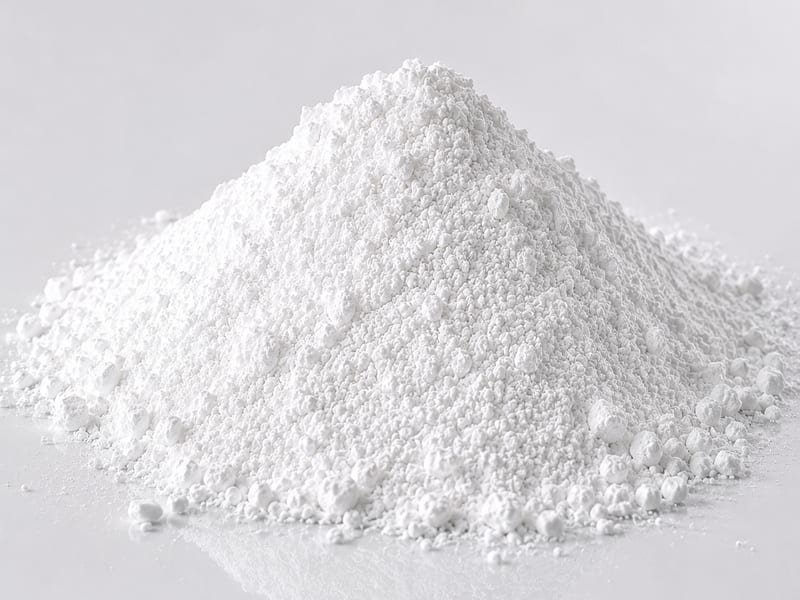
Soda Ash (Sodium Carbonate): Uses and Grade Selection
What is soda ash? Compare light and dense sodium carbonate, industrial uses and the material documents needed to evaluate a grade for your process.
Overview
Soda ash is sodium carbonate, Na₂CO₃, a raw material used in glassmaking, detergents and other industrial processes. Light and dense soda ash have different handling characteristics; the appropriate grade depends on the application, feeding system and required specification. This guide explains the distinction before you evaluate a particular supplier grade.
What is soda ash?
Soda ash is the industrial name for sodium carbonate. It is not the same compound as sodium hydroxide (caustic soda) or sodium bicarbonate. These names should not be used interchangeably in a formulation or purchase specification. Solvay identifies soda ash and its industrial applications.
Light vs. dense soda ash: how do you choose?
Both grades are sodium carbonate. Solvay describes dense soda ash as suitable for glass manufacture because its granular properties help with dust and segregation during handling, while its light grade is used in detergent and chemical applications. These are application guides, not a substitute for checking the proposed material’s technical data.
- Glass batch: review granule size, bulk density and compatibility with the other batch ingredients.
- Detergent or chemical process: review the feeding or dissolving operation and the required material specification.
- A regulated application: verify the particular grade and the requirements that apply in the destination market; a chemical name alone does not establish suitability.
Do not select solely by the words “light” or “dense”. Compare the technical data sheet (TDS), safety data sheet (SDS) and the analysis required for your application. The published property table below is reference information, not a certificate for a PLAXRAW shipment.
What problem does soda ash solve in your process?
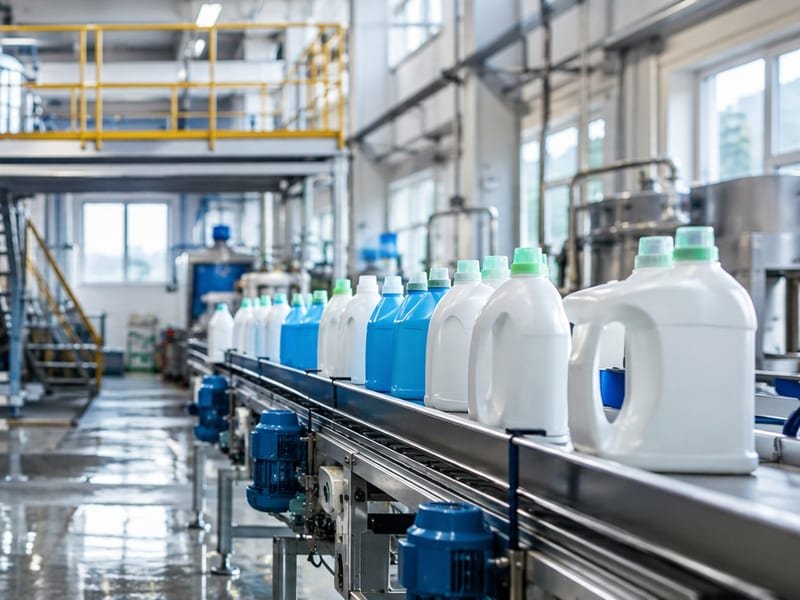
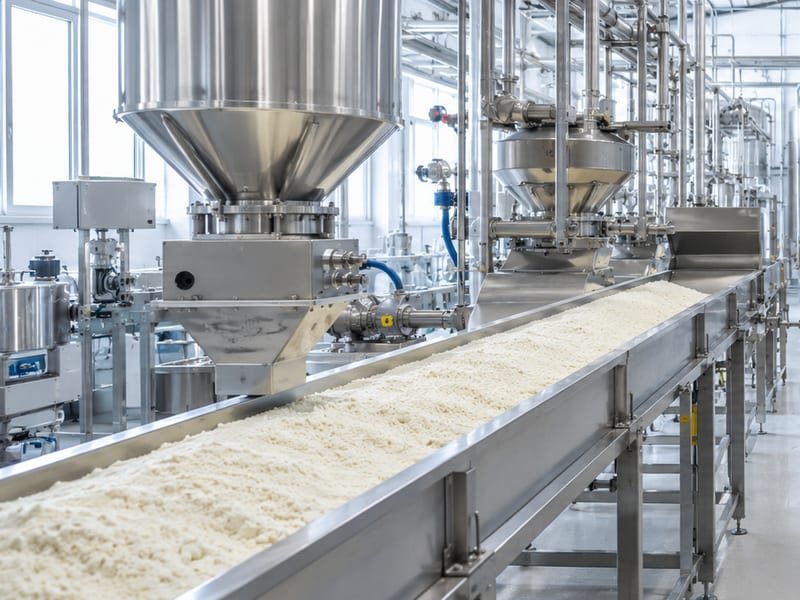
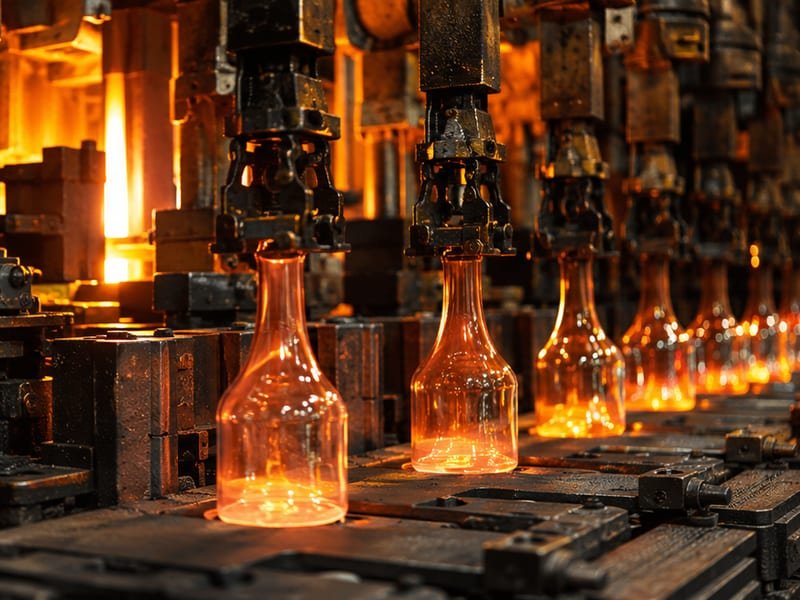
In glassmaking it acts as a flux in the batch. In detergent applications it provides alkaline support and contributes to water softening. The Solvay application guide explains these roles. A material’s usefulness in one process does not establish its suitability in another; the formulation and grade remain part of the decision.
What should you check before use or storage?
Identify the application, required grade, quantity and packaging, then review the supplier’s documents. For moisture and flow problems, see bulk soda ash storage and caking prevention. For a material transfer or delivery question, see soda ash transport and transloading.
If you need help evaluating the requirement, describe your process and material specification. Include the application, quantity, destination and handling constraints; those details are more useful than the chemical name alone.
Content updated:
Key Applications
The material's role changes by industry — click any industry to see its full page.

Physical Properties
| Property | Typical Value | Note |
|---|---|---|
| Chemical Formula | Na₂CO₃ | Definitional |
| Purity (Dense grade) | ≥ 99.2% Na₂CO₃ (typically 99.5%+) | Typical published value — ANSAC Product Specification |
| Bulk Density (Dense grade) | 0.89–1.12 g/cm³ | Typical published value — ANSAC Product Specification |
| Bulk Density (Light grade) | ≈ 0.53–0.57 g/cm³ | Typical published value — light vs. dense soda ash grade comparison sources |
| Specific Gravity (Na₂CO₃ crystal) | ≈ 2.53 | Typical published value — light vs. dense soda ash grade comparison sources |
These are typical published values for the material in general, not a certificate of analysis (COA) for a specific shipment. Actual per-batch values are set by the COA accompanying supply.
Grades
Grade and Specification Guide
These reference codes illustrate grade categories and specifications for comparison and selection. The commercial grade and final specification are determined by your application requirements, the technical data sheet and the batch certificate of analysis.
Standards & Technical References
Every claim on this page traces back to a verifiable reference:
- Tier 1Government PublicationUSGS — Mineral Commodity Summaries 2025, Soda Ash
- Tier 1Government RegulationU.S. FDA — 21 CFR § 184.1742, Sodium Carbonate (GRAS food additive)
- Tier 1StandardANSI/AWWA B201 — Standard for Soda Ash (drinking-water treatment grade)
- Tier 1StandardASTM E359 — Standard Test Methods for Analysis of Soda Ash (Sodium Carbonate)
- Tier 3Industry Batch ReferenceSoda-lime glass furnace batch composition sheet (client-supplied, 2026) — soda ash at 15-18% of batch weight (75-90 tons/day in a 500 ton/day furnace) as the primary flux
- Tier 3Global Supplier/IndustryLight vs. dense soda ash grade comparison sources (elchemy.com, level7chemical.com, sinotainuo.com) — bulk density and grade-preference by industry
- Tier 2Global ProducerANSAC (American Natural Soda Ash Corporation) — Soda Ash Dense Product Specification
Frequently Asked Questions
What is soda ash?
Soda ash is sodium carbonate, Na₂CO₃. It is not sodium hydroxide or sodium bicarbonate.
How do you choose light or dense soda ash?
Review the application, feeding and handling system, TDS and SDS. The grade name alone does not establish suitability.
Are the published values a shipment certificate?
No. The values are reference information; grade data and the required shipment analysis must be reviewed separately.


