
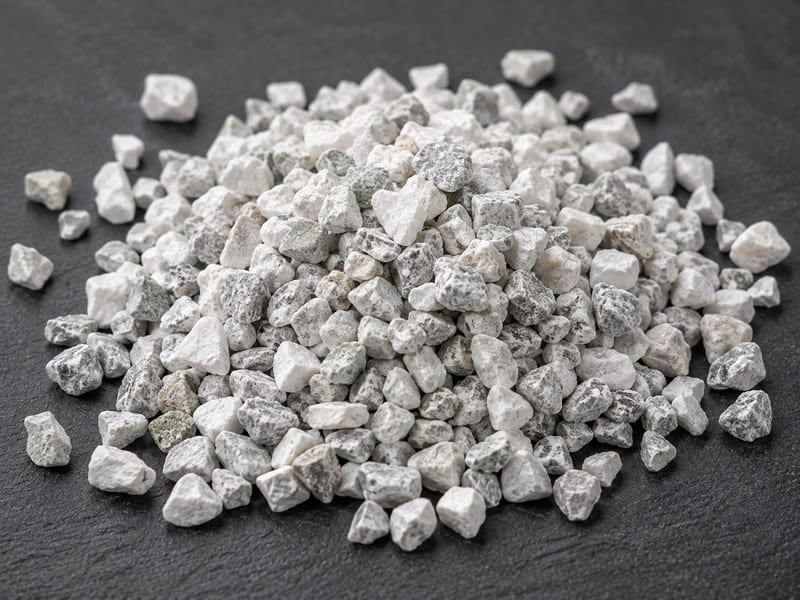
Magnesite
How magnesite is used as a refractory raw material for furnace linings, and what research shows about the higher calcination temperature it needs compared to seawater-derived magnesia.
Overview
Magnesite is a magnesium carbonate mineral calcined into the dense refractory magnesia used for refractory products in the cement, glass, and steel industries. This page covers that refractory role and what research shows about how natural magnesite compares to the alternative seawater-derived production route.
What is it?
Magnesite is a magnesium carbonate mineral, mined in the U.S. in Nevada. Per 2024 U.S. Geological Survey data, an estimated 22% of U.S. magnesium compound consumption went to refractory uses — dead-burned magnesia, fused magnesia, and olivine — with the remainder consumed as caustic-calcined magnesia and related compounds across environmental, chemical, agricultural, and deicing applications. Separately, per the USGS’s 2020 Minerals Yearbook, dead-burned and fused magnesias specifically (not olivine) were used for refractory products by the cement, glass, and steel industries.
Why should I use it?
- It’s calcined into dead-burned or fused magnesia with a documented refractory role in cement, glass, and steel production — see “What is it?” above.
- Research has directly studied how its crystal structure affects the calcination process needed to produce dense refractory magnesia — see Limitations.
How it’s used
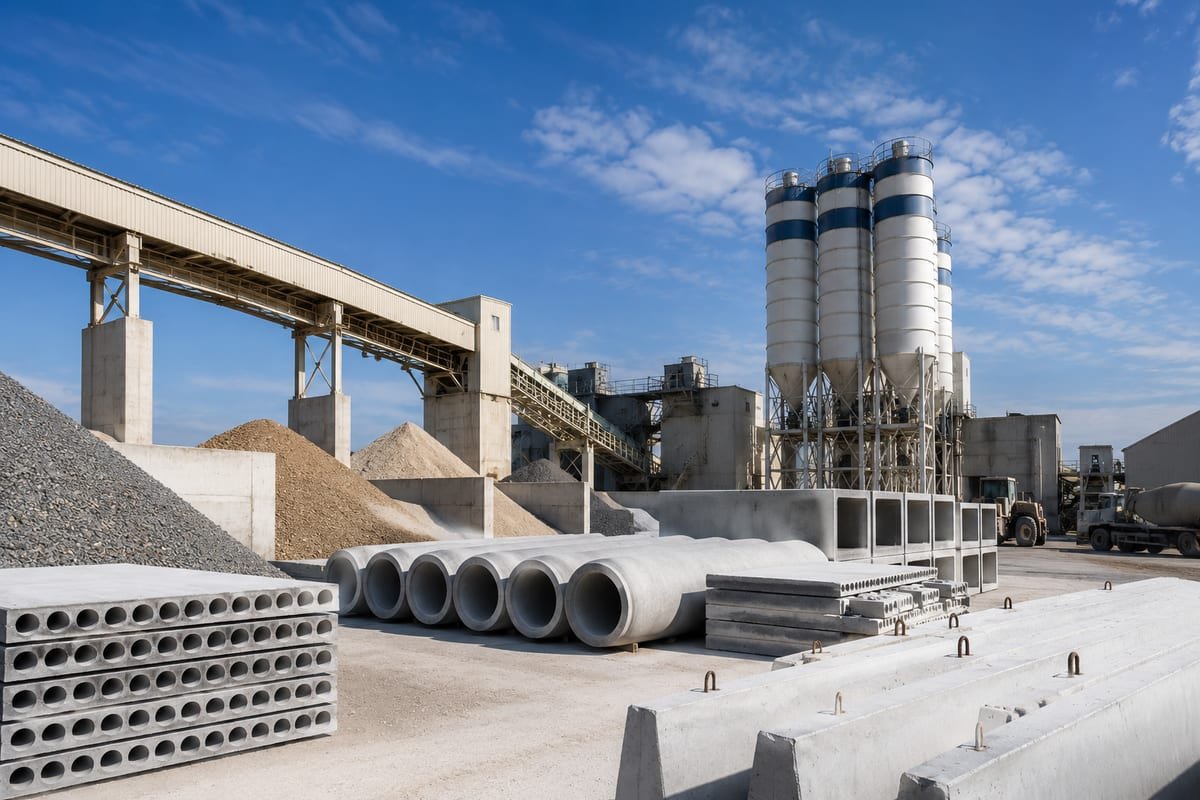
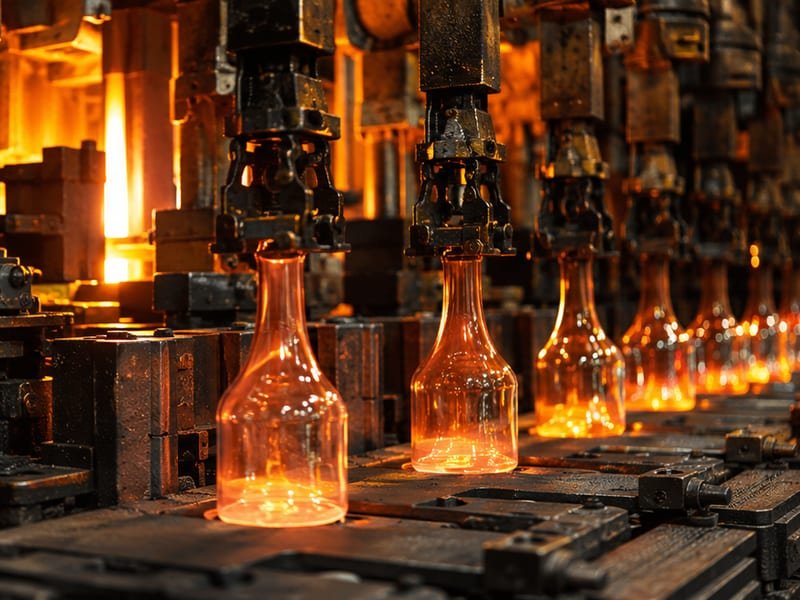
In Glass and in Construction & Building Materials, magnesite is calcined into refractory magnesia used for refractory products in glass and cement manufacturing.
Limitations — when it isn’t the right choice
- How natural magnesite calcines into dense refractory magnesia depends on its crystal structure — a process tuned for one ore type won’t necessarily transfer to another. A 2020 peer-reviewed study compared macrocrystalline magnesite (from Liaoning) and cryptocrystalline magnesite (from Tibet) and found their endothermic decomposition peaks during calcination differ by 28°C (624°C for the cryptocrystalline sample versus 652°C for the macrocrystalline one). Older industry literature the study cites associates conventional natural-magnesite calcination with temperatures around 1900–2100°C to reach high-purity (>98% MgO), high-density refractory magnesia; the study’s own three-step process reached comparable density (3.47–3.48 g/cm³) at just 1670–1750°C, using magnesite feedstock already above 98% MgO purity. This was documented for two specific regional magnesite samples; it should not be assumed that every commercial magnesite deposit calcines identically, or that the same process temperature applies, without checking its own mineralogical data.
Key Applications
The material's role changes by industry — click any industry to see its full page.
Physical Properties
| Property | Typical Value | Note |
|---|---|---|
| Chemical Formula | MgCO₃ | Definitional |
| Specific Gravity | ≈ 3.0-3.12 | Typical published value — allmineralsrock.com |
| Purity (commercially acceptable grade) | ≥ 95% MgCO₃ | Typical published value — chemicalbook.com |
| Purity (chemically pure magnesite) | > 99% MgCO₃ | Typical published value — chemicalbook.com |
| Dead-Burned Magnesia (DBM), steel-grade | MgO ≥ 97% minimum | Typical published value — chemicalbook.com |
| Calcination Temperature (conventional, high-purity dense refractory magnesia) | ≈ 1900-2100°C | Typical published value — International Journal of Ceramic Engineering & Science, 2020 |
These are typical published values for the material in general, not a certificate of analysis (COA) for a specific shipment. Actual per-batch values are set by the COA accompanying supply.
Grades
Grade and Specification Guide
These reference codes illustrate grade categories and specifications for comparison and selection. The commercial grade and final specification are determined by your application requirements, the technical data sheet and the batch certificate of analysis.
Standards & Technical References
Every claim on this page traces back to a verifiable reference:
- Tier 1Government PublicationUSGS — Mineral Commodity Summaries 2025, Magnesium Compounds
- Tier 1Government PublicationUSGS Minerals Yearbook 2020 — Magnesium Compounds (Adam M. Merrill)
- Tier 2University/ResearchSinterability of macrocrystalline and cryptocrystalline magnesite to refractory magnesia, International Journal of Ceramic Engineering & Science, 2020, Vol. 2
- Tier 3Educational Referenceallmineralsrock.com — Magnesite Details and Facts
- Tier 3Educational Referencechemicalbook.com — Magnesite: General Properties, Occurrence, Mining and Industrial Applications
Frequently Asked Questions
What share of U.S. magnesium compound consumption goes to refractory uses, and what does that include?
About 22% in 2024, covering dead-burned magnesia, fused magnesia, and olivine.
Which industries use dead-burned and fused magnesia for refractory products?
The cement, glass, and steel industries.
Does magnesite's crystal structure affect its calcination behavior?
Yes. Per the 2020 study, the decomposition peak differs by 28°C between macrocrystalline (652°C) and cryptocrystalline (624°C) magnesite.
What calcination temperature does conventional industry practice associate with high-purity refractory magnesia?
About 1900-2100°C, per older industry literature the study cites, though the study's own three-step process reached comparable density at just 1670-1750°C.
Does every magnesite deposit calcine the same way?
No. This was documented for two specific regional samples; it shouldn't be assumed to transfer to every commercial deposit without checking its own mineralogical data.


