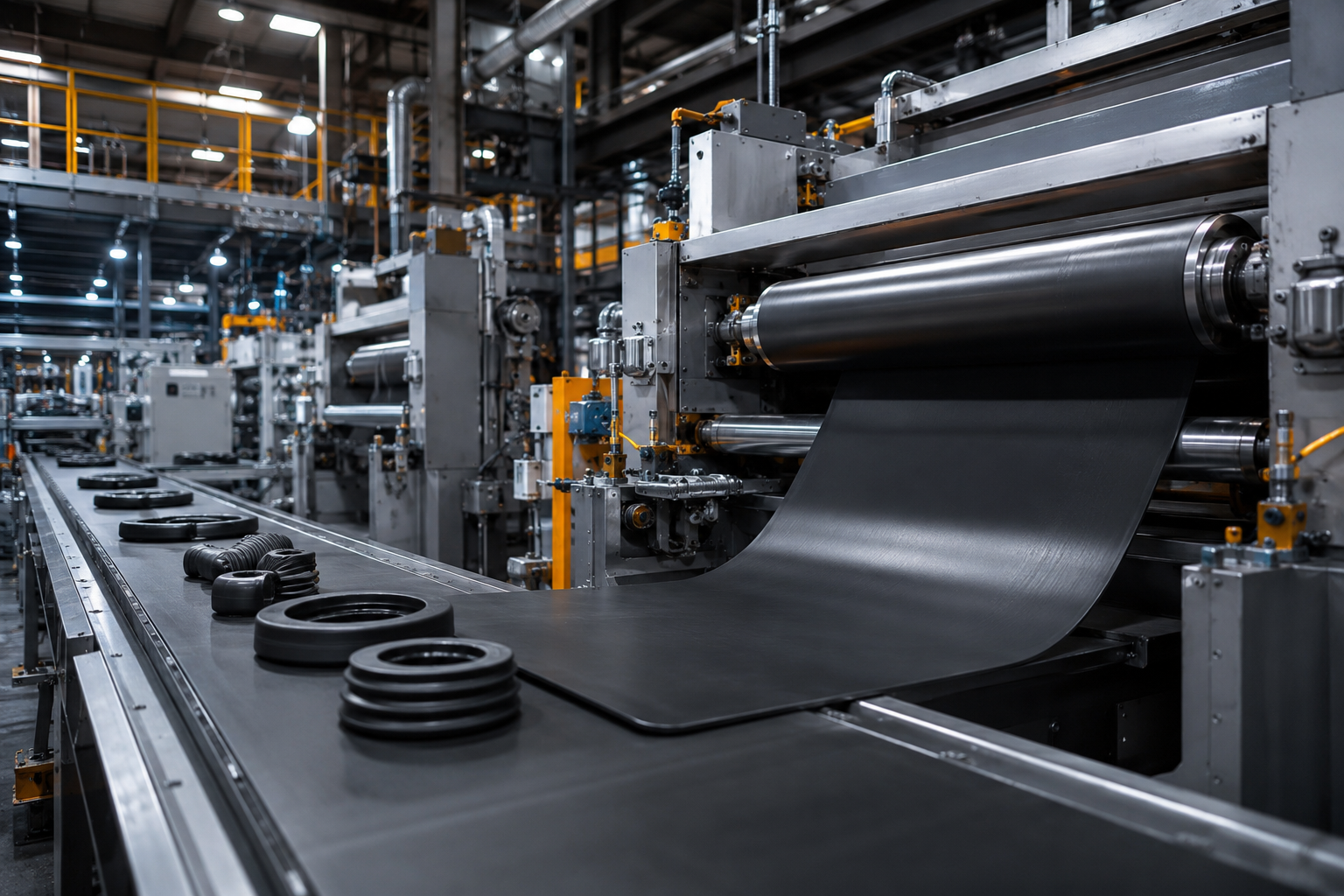
Rubber

Rubber manufacturing depends on a specific mix of raw materials to hit its production, cost, and quality targets. PlaxRaw supplies these materials with consistent specifications and reliable batch-to-batch supply.

Multi-Region Sourcing
Verified Composition
Reliable Batch Supply
Documented Origin
01Applications

Applications

Silica and carbon black reinforce tread compounds for grip and rolling resistance, while zinc oxide, stearic acid, sulfur, and accelerators drive the vulcanization system.

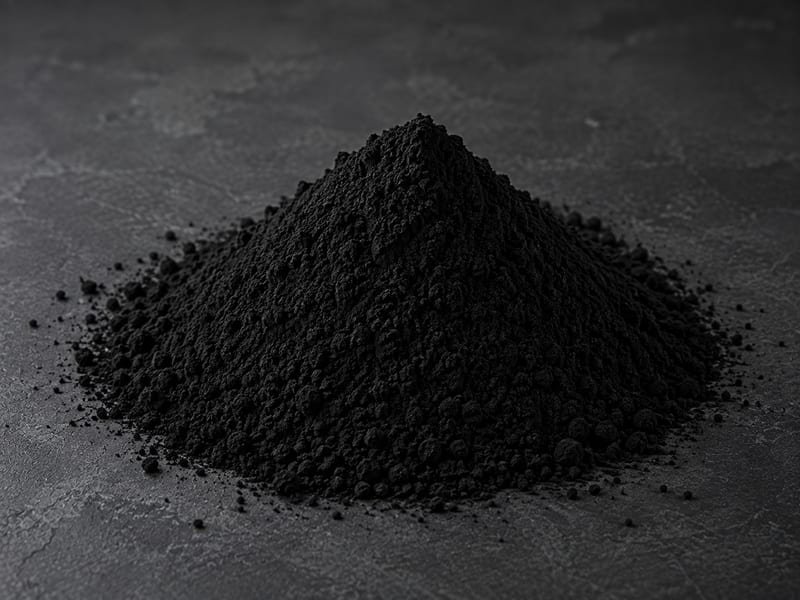
Carbon black provides bulk reinforcement and abrasion resistance in belts and hoses that see constant mechanical wear.

Calcium carbonate and waxes help balance cost, flexibility, and surface finish in molded rubber and rubber-blend soles.

Precise accelerator and sulfur ratios control cure speed and long-term elasticity needed in engine mounts and door seals.

Waxes provide surface ozone and weather protection while calcium carbonate keeps sheeting and membrane costs competitive for large-area coverage.

MaterialRoleEstimated Share of Batch
Accelerators (Rubber Vulcanization)
Vulcanization accelerator
Speeds up and controls the vulcanization (curing) reaction between rubber and sulfur, determining cure time and cross-link density.
0.5-2%
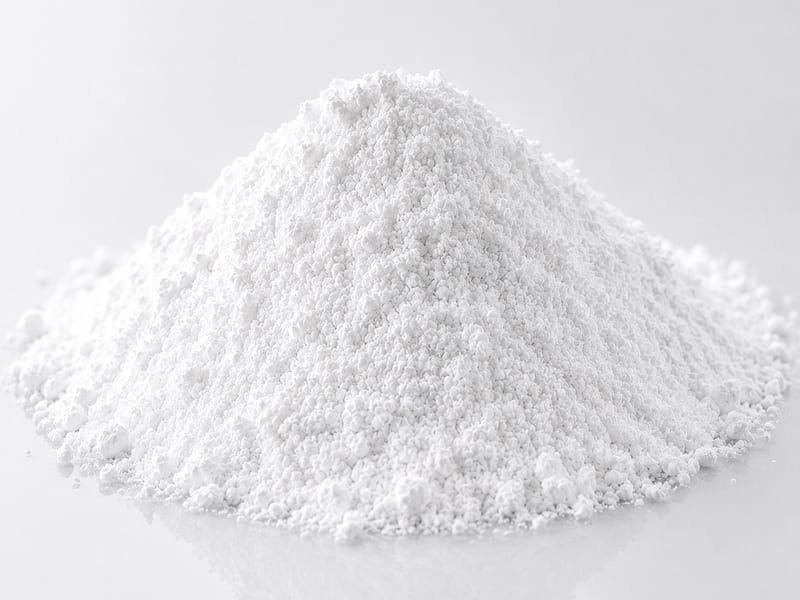
Calcium Carbonate
Calcium Carbonate
Extending filler
Acts as a low-cost, non-reinforcing filler that bulks up compound volume in lower-performance rubber goods.
10-25%
Carbon Black
Carbon Black
Primary reinforcing filler
The primary reinforcing filler in most rubber compounds, boosting tensile strength, abrasion resistance, and tear strength.
20-35%
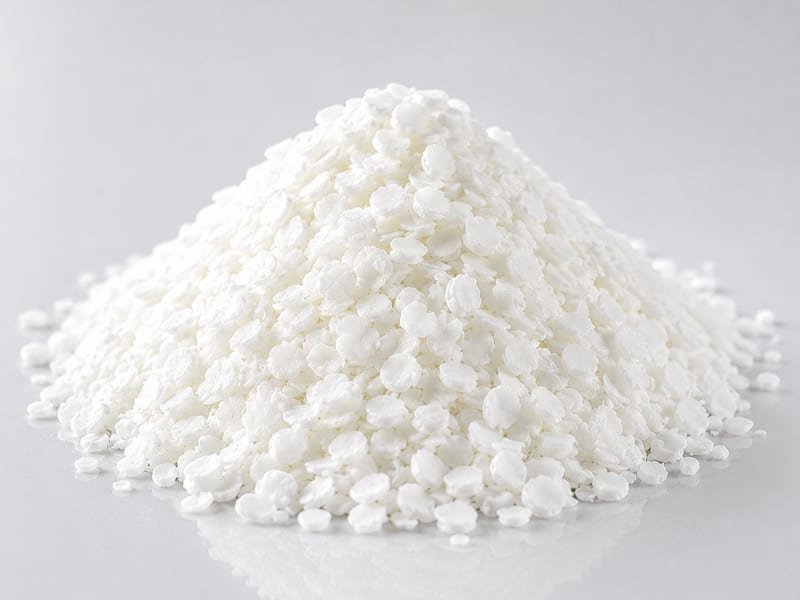
Stearic Acid
Stearic Acid
Cure activator
Works alongside zinc oxide as a cure activator and also improves processing by acting as an internal lubricant.
1-3%
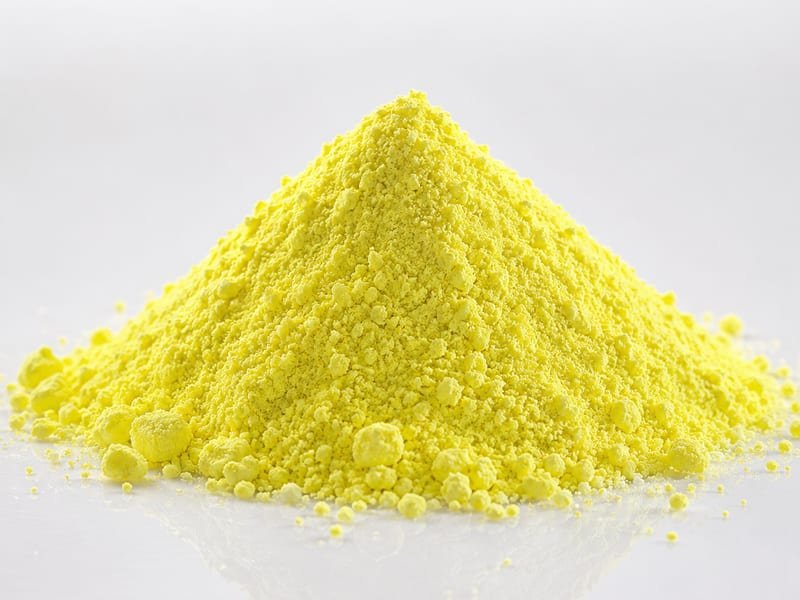
Sulfur
Sulfur
Vulcanizing agent
The primary vulcanizing agent that cross-links rubber polymer chains to give the compound its elasticity and strength.
1-3%
Synthetic / Precipitated Silica
Performance reinforcing filler
A high-performance reinforcing filler used mainly in tire treads to improve wet grip and reduce rolling resistance.
10-25%
Waxes (Specialty Chemicals)
Anti-ozonant / protectant
Migrate to the rubber surface to form a protective film against ozone cracking and weathering.
1-3%
Zinc Oxide
Zinc Oxide
Cure activator
Acts as the primary activator in the vulcanization system, working with stearic acid to improve cure efficiency.
2-5%

Bars show a quick approximate share in a general formulation for this industry — actual ratios vary by product and production line.

02Common Challenges

Common Manufacturing Challenges

03Knowledge Center

Related Knowledge

Compound Cost Pressure in Rubber Formulations

Compound Cost Pressure in Rubber Formulations

Cure Consistency in Thick or Complex Rubber Parts

Cure Consistency in Thick or Complex Rubber Parts

Filler Dispersion in Rubber Compounds

Filler Dispersion in Rubber Compounds

Need help choosing the right material for your production line?

Our technical team will respond with a recommendation and technical specifications within one business day.

Request a Quote Now