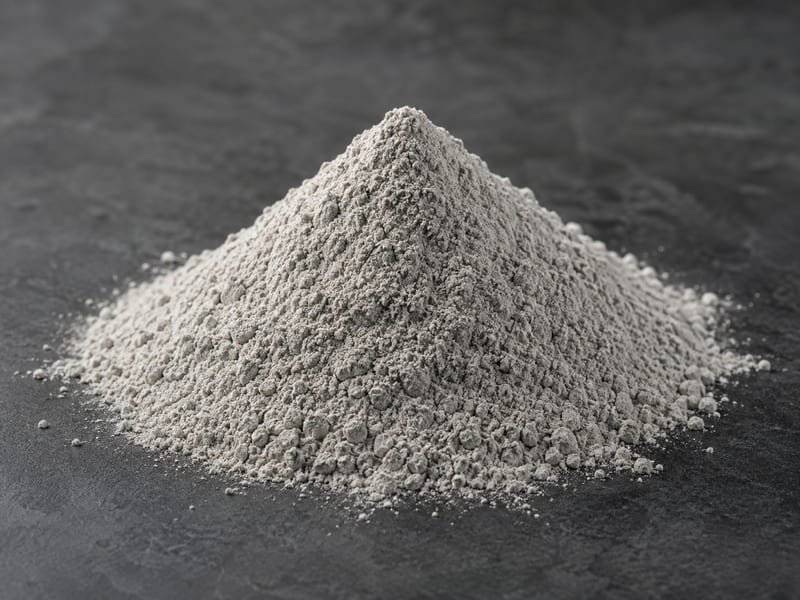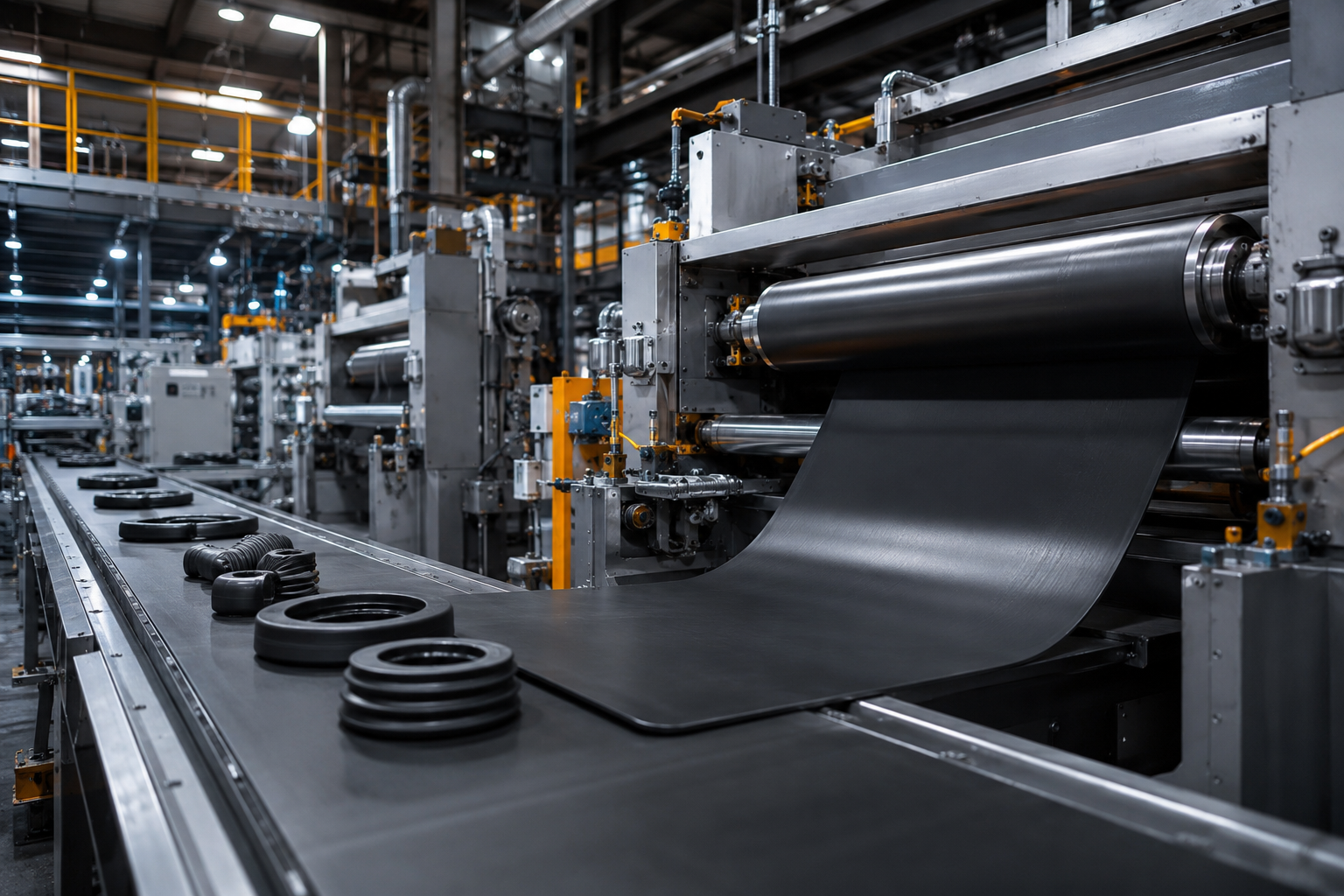
Accelerators and other specialty rubber additives are a small fraction of a compound’s weight but a production-stopping risk when they’re unavailable, because unlike commodity fillers, accelerator chemistries are produced by a relatively small number of specialized chemical manufacturers concentrated in a few countries — making lead times for these inputs structurally different from, and less predictable than, lead times for bulk raw materials.
Root Causes
Rubber accelerator and antioxidant production is heavily concentrated in mainland China, which S&P Global Commodity Insights has reported accounts for roughly half of world rubber-processing-chemical consumption and a comparable share of production capacity. That concentration means disruptions specific to a handful of Chinese producing regions — not global rubber demand — are what actually move global accelerator availability. This isn’t hypothetical: in late 2021 and early 2022, Chinese producers delayed shipments and cut output ahead of the Beijing Winter Olympics as part of air-quality-driven production curbs, compounding pandemic-related shutdowns and Lunar New Year production gaps, and the resulting delays rippled through global rubber-chemical supply for months.
On top of production concentration, these are internationally shipped specialty chemicals subject to ordinary customs, freight-booking, and documentation timelines that add real weeks even when the factory itself has no disruption — a stacking effect where a manufacturing delay and a shipping delay compound rather than offset each other. Industry sourcing guidance responding to this environment has recommended buyers plan for materially longer delivery windows than they historically assumed, since suppliers reported being unable to absorb these disruptions into normal service levels.
What This Means for Raw Material Selection
Because the risk here is concentration and logistics rather than any single supplier’s reliability, single-sourcing an accelerator chemistry — even from a well-regarded supplier — inherits the risk of that supplier’s regional and logistics exposure. The practical response is qualifying at least one alternate accelerator source, ideally in a different producing region, before a shortage forces an emergency substitution under time pressure, since accelerator qualification itself takes time a buyer won’t have once a compound is already in short supply.
This also changes how buyers should think about inventory. Where bulk fillers can often be bought closer to just-in-time because of a wide supplier base and short regional freight lanes, accelerators justify carrying more buffer stock and locking in orders further ahead of need, precisely because a stockout can’t be fixed quickly by switching suppliers the way a commodity material’s can. Building safety stock and lead-time assumptions around an accelerator’s actual origin and shipping route — rather than a generic “specialty chemical” lead time — is the sourcing discipline this concentration and logistics reality actually calls for.
Sources: S&P Global Commodity Insights, “Growth slows for rubber chemicals; market recovery likely to be hampered by geopolitical, macroeconomic uncertainties” (October 2022); Martins Rubber, “Rubber compound shortages: a global phenomenon,” on industry lead-time guidance amid material supply disruption.