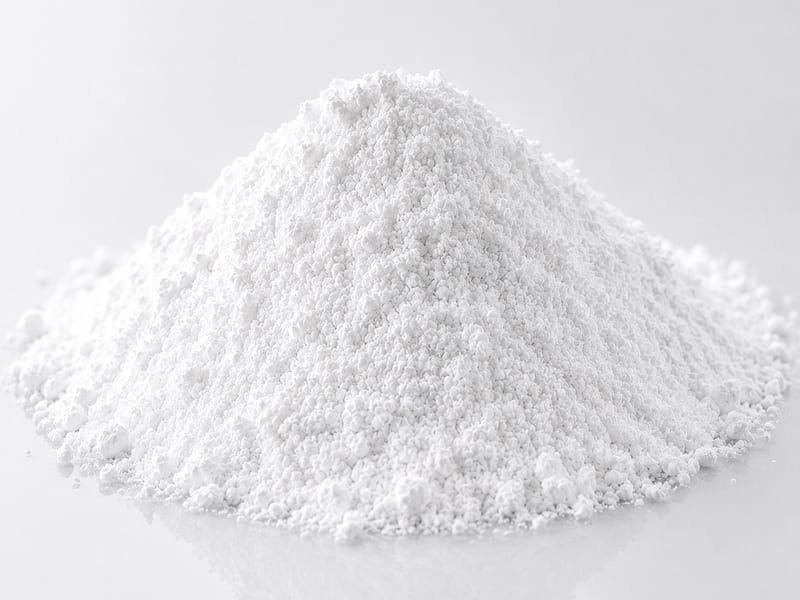
Carbon black and precipitated silica are usually the largest reinforcing-filler cost line in a rubber compound after the base polymer, and price volatility in these two inputs is one of the most disruptive cost pressures rubber compounders face — capable of eroding a margin that was fixed months earlier under a supply agreement.
Root Causes
Carbon black is a combustion product manufactured from heavy aromatic petroleum residues — feedstocks such as FCC decant/slurry oil and coal-tar distillates that are themselves byproducts of oil refining and coking. Because carbon black feedstock (CBFS) is priced off these residual-oil streams, carbon black production cost tracks crude oil market movements, not because carbon black is oil, but because its feedstock market is a niche slice of the broader aromatics/residual fuel oil complex and inherits volatility from energy markets that have little to do with rubber demand itself. Trade coverage of the carbon black market, including European Rubber Journal’s reporting on Cabot Corp.’s margins, has repeatedly documented feedstock-cost swings compressing or expanding producer margins independent of underlying tire and rubber demand, and Chinese environmental-driven production shutdowns have separately tightened supply and pushed prices up even when feedstock costs were flat.
Precipitated silica’s cost base runs on a different but similarly exposed set of inputs. It is manufactured by reacting sodium silicate — itself made from soda ash and quartz sand — with a mineral acid, in a wet, energy-intensive process that requires sustained high temperature and extensive drying. That exposes precipitated silica cost directly to industrial natural gas prices for process heat and to soda ash market pricing, a commodity the USGS tracks annually in its Mineral Commodity Summaries, on top of ordinary specialty-chemical margin structures. So while carbon black cost pressure originates in petroleum markets, silica cost pressure originates in energy and soda-ash markets — two structurally different volatility sources that happen to hit a compounder’s two major reinforcing fillers at the same time.
What This Means for Raw Material Selection
Because the two dominant reinforcing fillers are exposed to different upstream markets, a compounder’s filler cost risk doesn’t move as one number — it is really two separate exposures that can offset or compound depending on what oil and gas markets are doing in a given quarter. That argues for tracking carbon black and silica cost drivers separately rather than treating “filler cost” as a single line, and for building supply agreements that reference the actual cost driver — a feedstock-oil index for carbon black, an energy/soda-ash cost pass-through for silica — rather than a flat price either side eventually has to renegotiate.
For sourcing strategy, this is also the practical case for balancing long-term agreements against spot buying rather than relying on either exclusively. A term agreement with index-linked adjustment clauses protects a compounder from being caught paying spot-market prices during a feedstock spike, while retaining some spot-market flexibility lets a buyer capture the benefit when feedstock costs ease, as trade reporting has shown carbon black and silica costs periodically do. In practice, that means qualifying more than one supplier per filler, negotiating price-review triggers tied to a named feedstock or energy index rather than calendar dates alone, and treating “lowest quoted price” as a less reliable buying signal than a documented cost-pass-through structure — since a buyer who can’t explain why a filler’s price moved is also a buyer who can’t predict when it will move again.
Sources: European Rubber Journal, “Outlook bright for carbon black?” (Cabot Corp. earnings coverage on feedstock cost and margin volatility); S&P Global Commodity Insights, “Growth slows for rubber chemicals; market recovery likely to be hampered by geopolitical, macroeconomic uncertainties” (2022), on feedstock and geopolitical exposure across rubber-chemical markets; USGS Mineral Commodity Summaries, Soda Ash, on the soda-ash market relevant to precipitated silica production cost.