
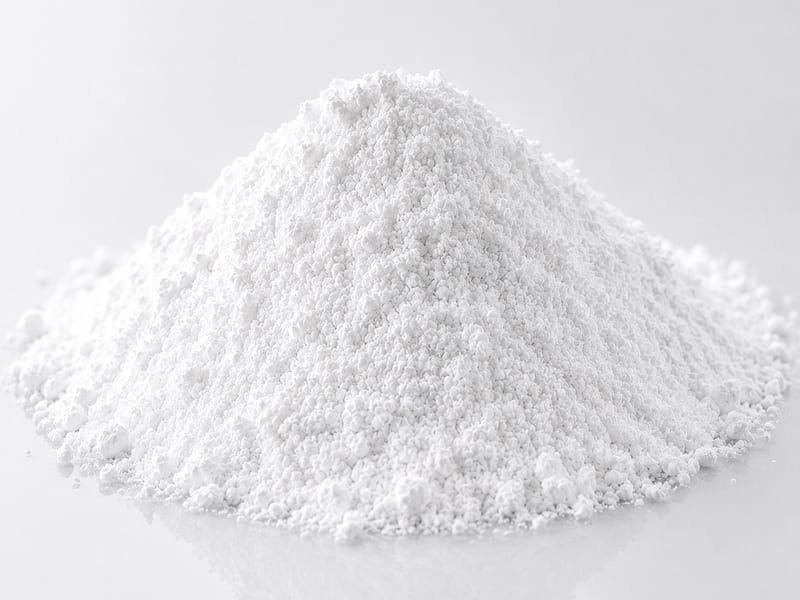
Synthetic / Precipitated Silica
How precipitated silica is manufactured and used across rubber, food, and paints, and what research shows about the performance gap between untreated silica and silica paired with a silane coupling agent in tire rubber.
Overview
Precipitated silica is a chemically manufactured filler, distinct from mined silica sand, and research directly comparing it with and without a silane coupling agent in a rubber compound shows the coupling agent isn’t optional — it nearly doubles tensile strength in the tested formulation. This page covers that comparison and the different documented uses of precipitated silica.
What is it?
Synthetic (precipitated) silica is a manufactured filler produced by chemical precipitation, not mining. Per a USDA National Organic Program technical evaluation report, precipitated silica is made by precipitating amorphous silicon dioxide particles from an alkali metal silicate solution through acid neutralization, followed by filtration, washing, drying, and grinding — a distinct process from fumed (pyrogenic) silica, which is instead produced by vapor-phase hydrolysis at around 1800°C. The same report documents precipitated silica’s use as an anti-caking agent in food, permitted at up to 2% by weight under FDA food additive regulation 21 CFR §172.480, and for rheology control in paints, rubber, and polyester compounds.
Why should I use it?
- It’s a documented food-additive-regulated anti-caking agent and a rheology-control additive in paints and rubber compounds — see “What is it?” above.
- In rubber, it delivers a measured combination of better tensile strength and rolling-resistance performance — but only when properly coupled to the rubber matrix — see Limitations.
How it’s used
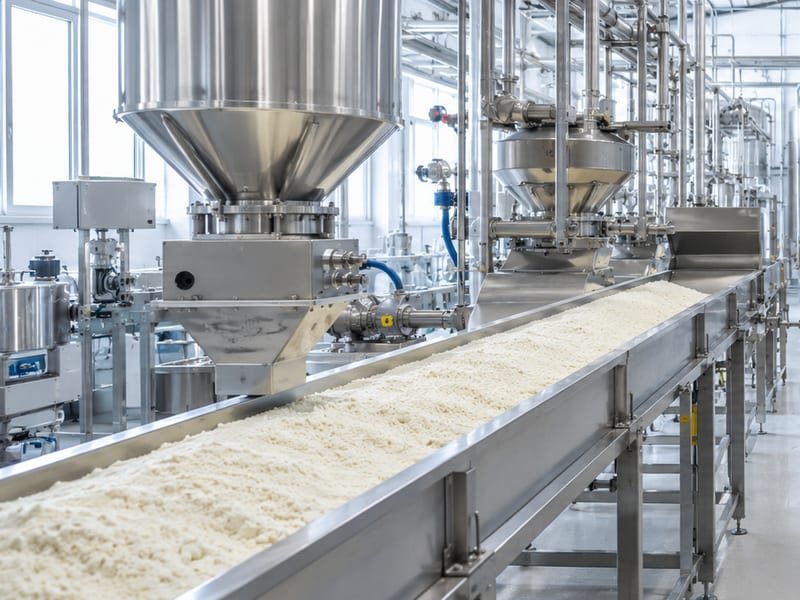
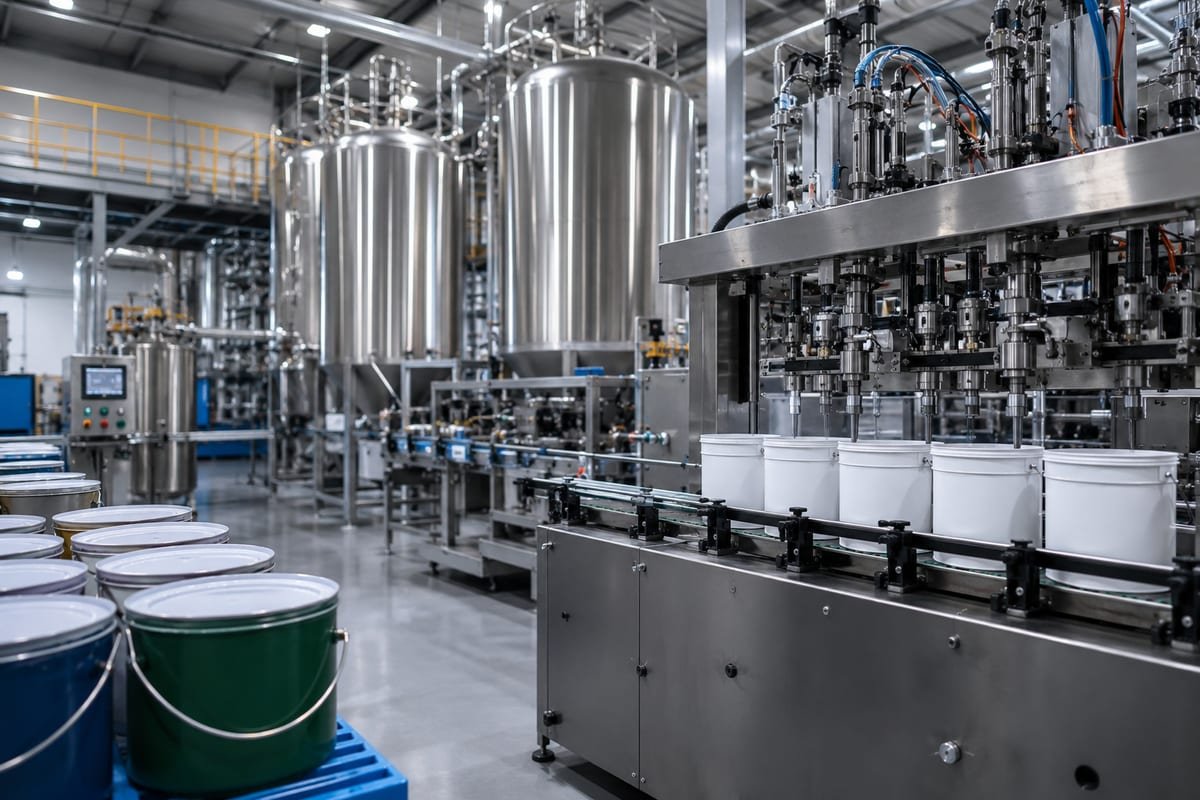
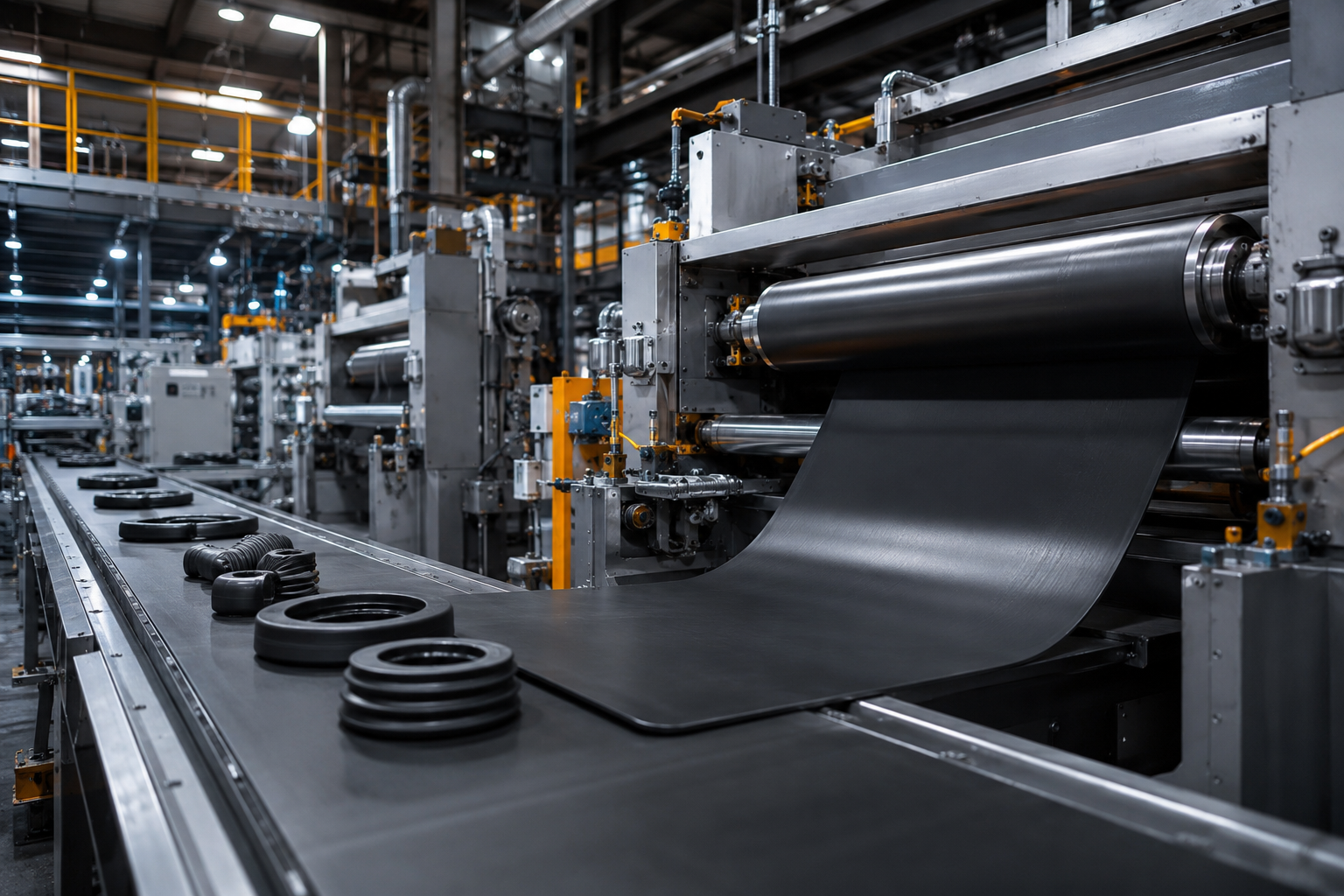
In rubber, precipitated silica is used as a reinforcing filler in tire tread compounds. In food production, it functions as an anti-caking agent. In paints and coatings, it’s used for rheology control.
Limitations — when it isn’t the right choice
- Precipitated silica needs a silane coupling agent to perform well in rubber — without one, its reinforcing benefit is substantially weaker. A 2023 peer-reviewed study compared untreated precipitated silica against the same silica paired with a standard silane coupling agent in a natural rubber compound. Without the coupling agent, the Payne effect — a measure of how much the filler particles clump together rather than disperse — measured 3.1 MPa, versus 1.3 MPa with the coupling agent (lower is better dispersion). Tensile strength was 15.7 MPa without the coupling agent versus 28.2 MPa with it — nearly double. The coupling agent also improved both a wet-grip indicator (tan δ at 0°C: 0.092 without versus 0.115 with) and a rolling-resistance indicator (tan δ at 60°C: 0.169 without versus 0.142 with, where lower is better). These results are specific to this natural rubber formulation; they should not be assumed to transfer directly to other rubber types like SBR or BR without separate testing, but they make clear that precipitated silica’s performance in rubber depends heavily on proper coupling-agent use, not on the silica alone.
Key Applications
The material's role changes by industry — click any industry to see its full page.
Physical Properties
| Property | Typical Value | Note |
|---|---|---|
| Chemical Formula | SiO₂ (amorphous) | Definitional |
| Purity | ≥ 98.5% (anhydrous basis) | Typical published value — rubber-grade precipitated silica specifications |
| Specific Surface Area (BET) | ≈ 50–400 m²/g; high-performance reinforcing grades exceed 140 m²/g | Typical published value — rubber-grade precipitated silica specifications |
| Oil Absorption (DBP) | ≈ 150–400 g/100g (commercial grades commonly 240–330 cc/100g) | Typical published value — rubber-grade precipitated silica specifications |
| Particle Size | D50 ≈ 8–30 microns depending on grade | Typical published value — rubber-grade precipitated silica specifications |
These are typical published values for the material in general, not a certificate of analysis (COA) for a specific shipment. Actual per-batch values are set by the COA accompanying supply.
Grades
Grade and Specification Guide
These reference codes illustrate grade categories and specifications for comparison and selection. The commercial grade and final specification are determined by your application requirements, the technical data sheet and the batch certificate of analysis.
Standards & Technical References
Every claim on this page traces back to a verifiable reference:
- Tier 1Government PublicationSilicon Dioxide Handling/Processing Technical Evaluation Report, USDA National Organic Program, Technical Services Branch, November 12, 2010
- Tier 2University/ResearchPlasma Polymerization of Precipitated Silica for Tire Application, Molecules (MDPI), 2023, Vol. 28, Issue 18, Article 6646
- Tier 3Commercial Spec SheetRubber-grade precipitated silica specifications — BET surface area, DBP oil absorption, and particle size ranges compiled from industry technical data sheets
Frequently Asked Questions
How does precipitated silica differ from mined silica sand?
It's a manufactured filler produced by chemical precipitation of amorphous silicon dioxide particles from an alkali metal silicate solution, not by mining — a completely different process from extracting natural silica sand.
Is precipitated silica sufficient on its own for reinforcement in rubber?
No. It needs a silane coupling agent — without one, tensile strength was 15.7 MPa, versus 28.2 MPa with it, nearly double, per a 2023 peer-reviewed study.
How is precipitated silica used in food?
As an anti-caking agent, permitted at up to 2% by weight under FDA food additive regulation 21 CFR §172.480.
How does precipitated silica differ from fumed silica?
Precipitated silica is made by precipitation through acid neutralization, followed by filtration, washing, drying, and grinding, while fumed silica is instead produced by vapor-phase hydrolysis at around 1800°C.
Does the silane coupling agent improve rolling-resistance performance?
Yes. The rolling-resistance indicator (tan δ at 60°C) improved from 0.169 without the coupling agent to 0.142 with it, where lower is better, per the same study.


