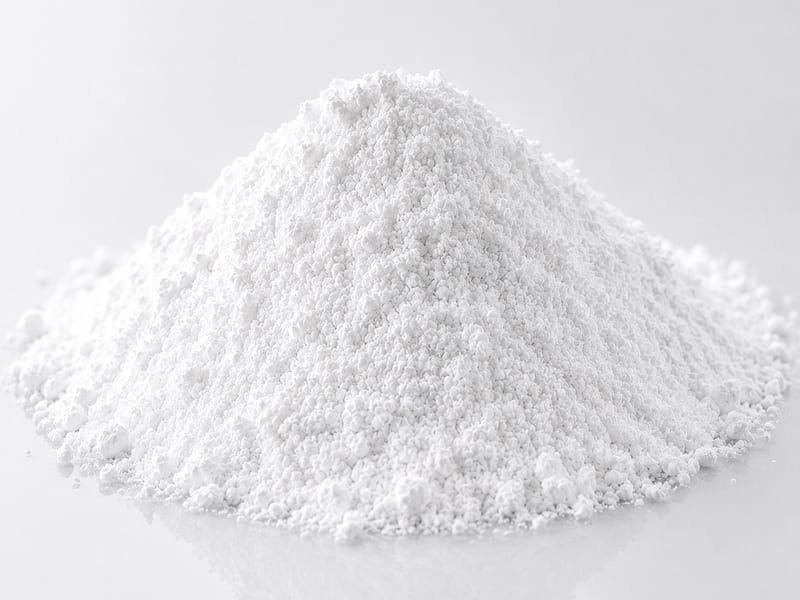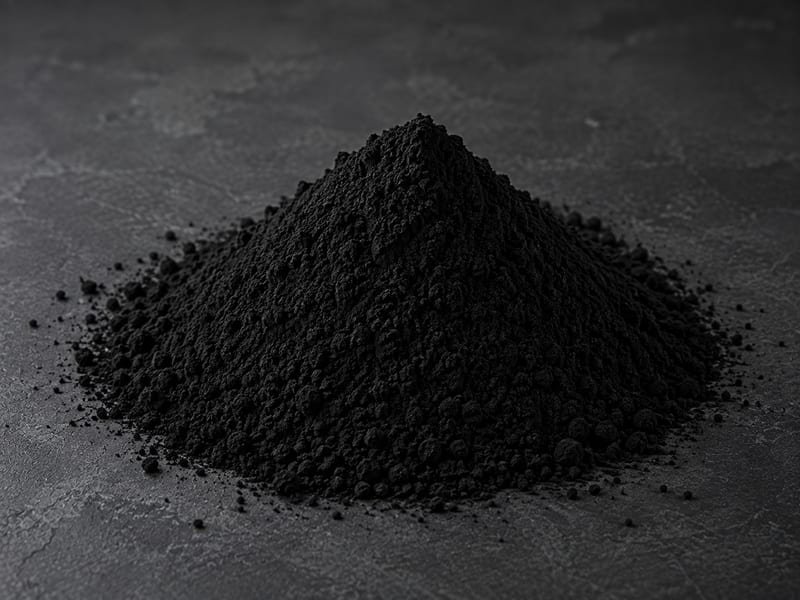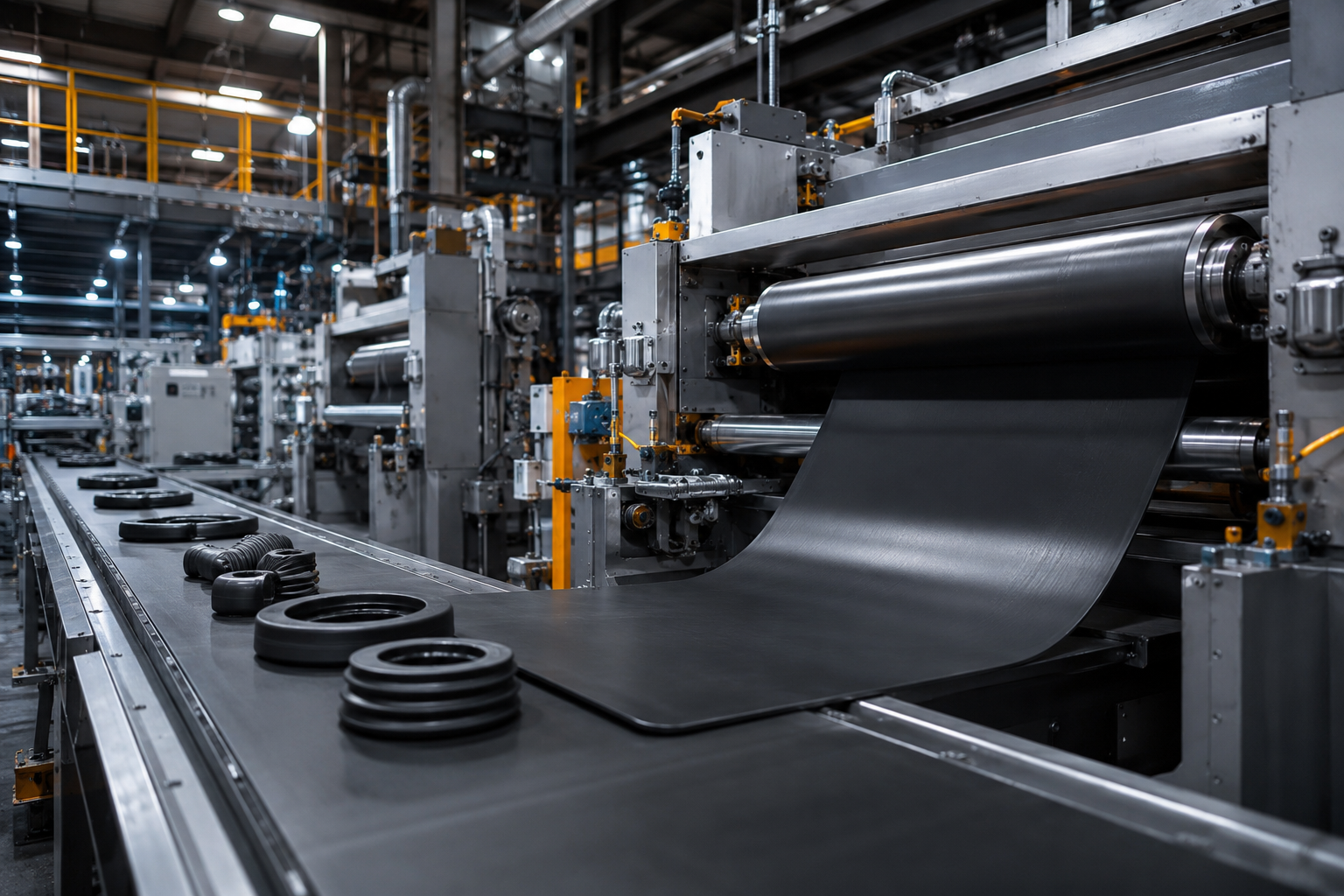
Replacing part of a tire tread’s carbon black with precipitated silica is the basis of “green tire” technology — a real, decades-old reformulation credited with reducing rolling resistance and improving wet grip without sacrificing wear resistance. But that benefit is not automatic: it depends entirely on the silica actually bonding to the rubber, and without a properly functioning silane coupling agent, silica does not deliver the performance it’s added for.
Root Causes
Precipitated silica’s surface is covered in silanol (Si-OH) groups, which are polar and hydrophilic — fundamentally mismatched with the non-polar hydrocarbon backbone of diene rubbers like SBR and BR. Left untreated, silica particles tend to interact with each other (filler-filler, silica-silica association through hydrogen bonding between silanol groups) rather than dispersing into and bonding with the polymer matrix, producing poor filler-polymer interaction and, separately, an acidic surface that can adsorb basic accelerators and interfere with cure.
This is the problem bifunctional organosilane coupling agents solve. TESPT — bis(triethoxysilylpropyl)tetrasulfide, commercialized as Si69 by Degussa (now Evonik) starting in the 1970s — reacts at one end with the silica’s surface silanol groups, releasing ethanol and forming a hydrophobic siloxane bridge on the filler surface; the polysulfide group at the other end then reacts with the rubber during vulcanization, forming an actual chemical bond between the filler and the polymer network. This two-step silanization is temperature- and time-dependent and is normally completed during a defined mixing stage before the compound is finished — it is a real processing chemistry step, not just a formulation line item. Michelin’s original 1992 “green tire” launch paired precipitated silica with this TESPT chemistry, and it remains the standard reference system in tire-tread silica-silane technology.
What This Means for Raw Material Selection
When coupling doesn’t happen correctly — silane underdosed relative to the silica’s surface area, mixing time or temperature insufficient to complete the silanization reaction, or a silica grade whose surface area and silanol density don’t match the silane dose it was formulated with — the silica behaves closer to an inert, poorly dispersed filler than a reinforcing one. In that failure mode, the compound doesn’t just fail to gain silica’s benefit; dispersion quality and processing can end up worse than a straightforward carbon-black-only compound, and the entire rationale for including silica — better balance across the rolling-resistance/wet-grip/wear “magic triangle” that silica-silane systems were developed specifically to improve — doesn’t materialize.
For material selection, this means precipitated silica cannot be specified on chemical purity or price alone: its surface area (BET/CTAB) and silanol group density are what determine the silane dose the compound actually needs, so a substituted silica grade with a different surface area effectively changes the coupling-agent requirement even if the nominal silane phr in the recipe stays fixed. Carbon black remains the reference filler this technology is benchmarked against — many tread compounds still use carbon black alongside coupled silica in dual-filler systems rather than replacing it outright — so filler selection is a system decision (silica grade plus matched silane dose plus mixing process) rather than a simple substitution. Buyers should treat consistent, well-characterized precipitated silica supply, matched to a known silane pairing, as the practical control point for realizing the rolling-resistance and wet-grip benefit green tire formulations are built around.
Sources: Dierkes, W., Reuvekamp, L., ten Brinke, A., and Noordermeer, J., “Silane coupling agents for silica-filled tire-tread compounds: the link between chemistry and performance,” in Chemistry, Manufacture and Applications of Natural Rubber (reference chapter); Evonik Industries, “Tires Go Green — A Life Cycle Assessment,” technical publication on silica/silane (Si69) tire technology; Sattayanurak, S. et al., “Silica-Reinforced Natural Rubber: Synergistic Effects by Addition of Small Amounts of Secondary Fillers to Silica-Reinforced Natural Rubber Tire Tread Compounds,” Advances in Materials Science and Engineering, 2019.