
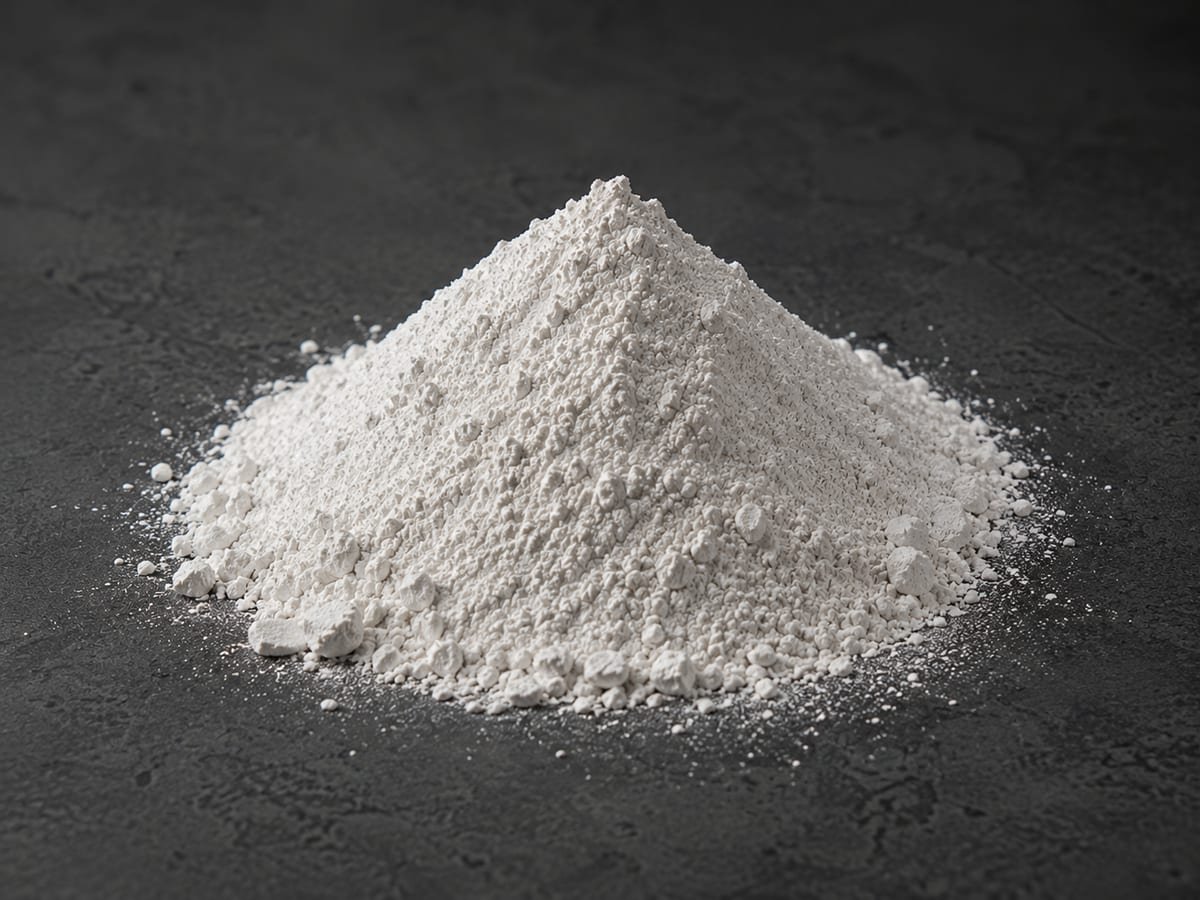
Kaolin: Uses, Properties and Grade Selection
Understand kaolin uses in paper, coatings and ceramics, compare hydrous and calcined grades, and review particle size, brightness and application test data.
Overview
Kaolin, also called china clay, is a mineral raw material associated with kaolinite, a hydrated aluminium silicate. It is used in paper, coatings and ceramic bodies, with different processing and grade requirements. Selecting kaolin means matching its mineral composition, particle characteristics and treatment to the application; a white powder or a high brightness number alone does not identify the right grade.
Hydrous or calcined kaolin: which should you compare?
Hydrous and calcined kaolin are distinct product categories. Calcination changes the material’s structure and therefore its performance. KaMin describes both categories and engineered calcined products for optical performance. Do not transfer a hydrous grade’s data directly to a calcined substitute. Identify the type on the TDS, then compare the actual formulation: calcined does not mean universally better.
How do kaolin uses change the specification?
| Application | Selection questions |
|---|---|
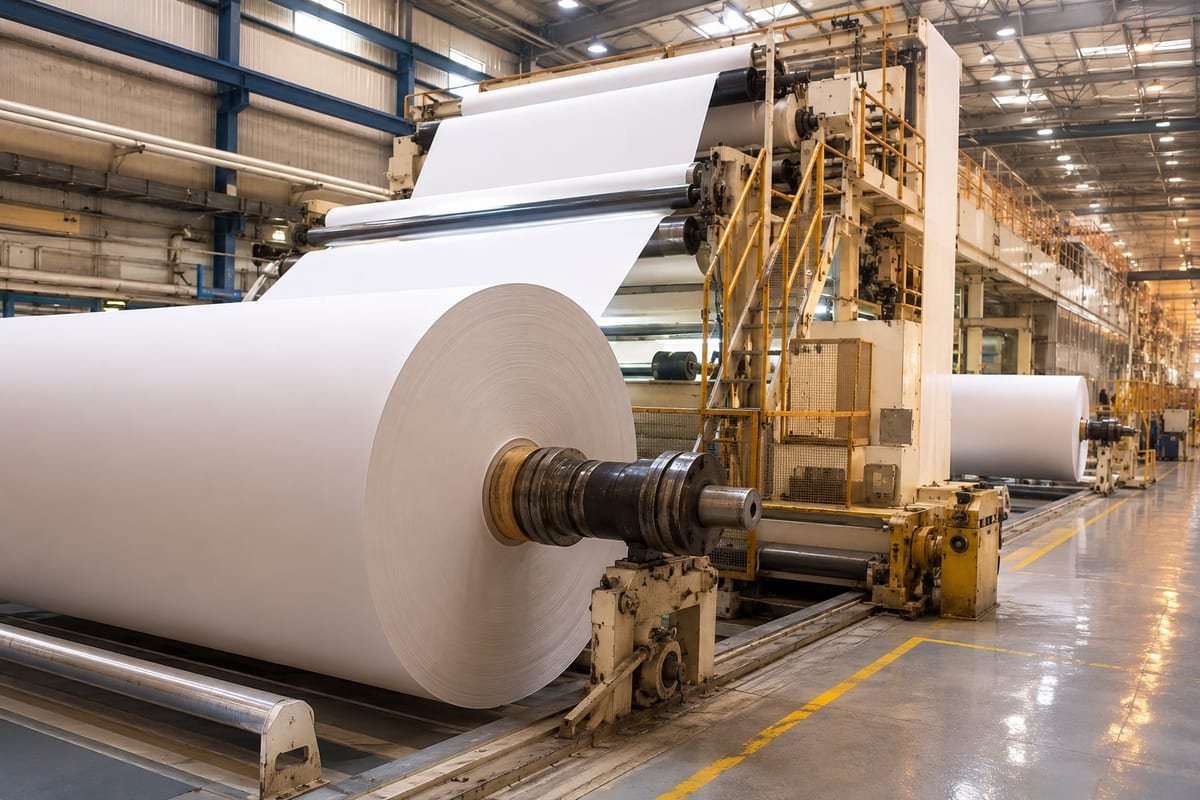
| Paper filling or coating | Which brightness method, particle distribution and dispersion data match the paper system? |
| Paints and coatings | What happens to opacity, gloss, viscosity and binder demand in the trial formulation? |
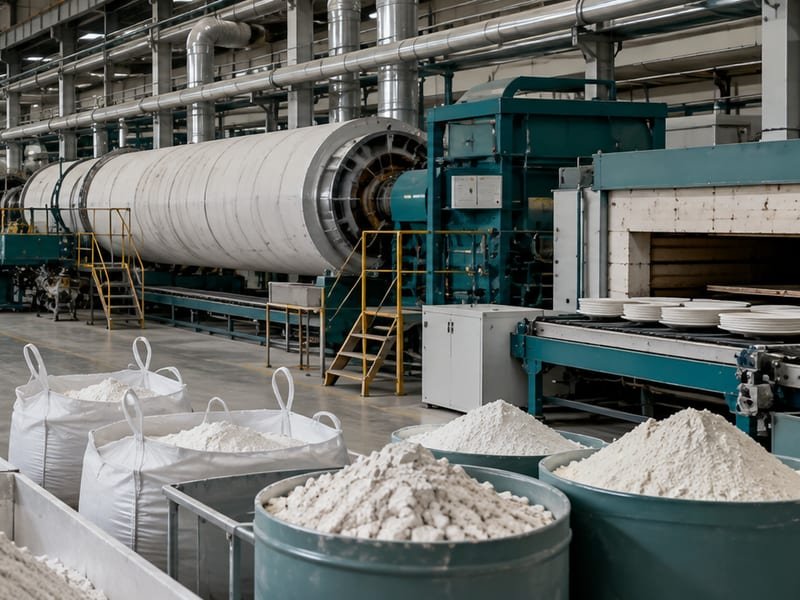
| Ceramics | Does the clay suit forming, drying and the complete firing process? |
| Cosmetics | Is the proposed grade documented for the intended product and destination market? |
These are different qualification tasks. A paper grade is not automatically suitable for a ceramic body or a cosmetic formulation.
Which kaolin properties matter most?
Review particle-size distribution and its measurement method, brightness and colour, mineral composition, moisture, residue and dispersion. D50 describes a median; it does not describe the entire distribution. TAPPI T 646 is a brightness test method for clay and other mineral pigments, not a requirement that every kaolin exceeds 90. Compare results measured under compatible conditions, including specimen preparation.
Can kaolin replace calcium carbonate or titanium dioxide?
A substitution depends on the formulation and the required properties. Compare calcium carbonate as a separate filler option. Some engineered calcined kaolin products support opacity and partial TiO₂ reduction in specified coating systems; that is not complete, universal replacement of titanium dioxide. Validate opacity, gloss, rheology and durability against the reference formulation.
A practical grade-selection checklist
Record the application, hydrous or calcined type, required properties and test methods. Request a current TDS, SDS and relevant batch analysis; agree trial conditions and acceptance criteria before changing the approved material. The reference grade codes below illustrate specification language, not confirmed availability or certification. Reference mineral values describe their stated material and must not be treated as shipment guarantees.
Sources and scope
- KaMin: hydrous and calcined categories
- KaMintex: an engineered calcined reference product
- TAPPI T 646: brightness test scope
Manufacturer examples are reference evidence, not specifications or certifications for a PLAXRAW shipment.
Content updated:
Key Applications
The material's role changes by industry — click any industry to see its full page.


Physical Properties
| Property | Typical Value | Note |
|---|---|---|
| Chemical Formula | Al₂Si₂O₅(OH)₄ | Kaolinite mineral formula; not the composition of every processed grade |
| Hardness (Mohs) | 2-2.5 | Typical published value — ScienceDirect Topics |
| Specific Gravity (hydrous kaolin) | ≈ 2.6 | Typical published value — digitalfire.com |
| Particle-size distribution | Grade-specific | Review the distribution and measurement method, not D50 alone |
| Brightness | Grade-specific | TAPPI T 646 is a test method, not a universal acceptance limit |
These are typical published values for the material in general, not a certificate of analysis (COA) for a specific shipment. Actual per-batch values are set by the COA accompanying supply.
Grades
Grade and Specification Guide
These reference codes illustrate grade categories and specifications for comparison and selection. The commercial grade and final specification are determined by your application requirements, the technical data sheet and the batch certificate of analysis.
Standards & Technical References
Every claim on this page traces back to a verifiable reference:
- [Primary reference] KaMin: hydrous and calcined categories — https://www.kamin.com/company/material-science-technology
- [Primary reference] KaMintex: an engineered calcined reference product — https://www.kamin.com/solutions/products/kamintex
- [Primary reference] TAPPI T 646: brightness test scope — https://imisrise.tappi.org/TAPPI/Products/01/T/0104T646.aspx
- Tier 3Academic ReferenceScienceDirect Topics — Kaolinite overview
- Tier 3Material Databasedigitalfire.com — Kaolin material data (specific gravity, particle size)
Frequently Asked Questions
Is calcined kaolin always better than hydrous kaolin?
No. They are different product categories; compare the grade data and performance in the intended formulation.
Does TAPPI T 646 require kaolin brightness above 90?
No. It defines a brightness test method; acceptance limits belong to the grade or application specification.
What should a kaolin TDS include for comparison?
Compare the product type, particle-size distribution, brightness method, moisture, composition and application-relevant tests.


