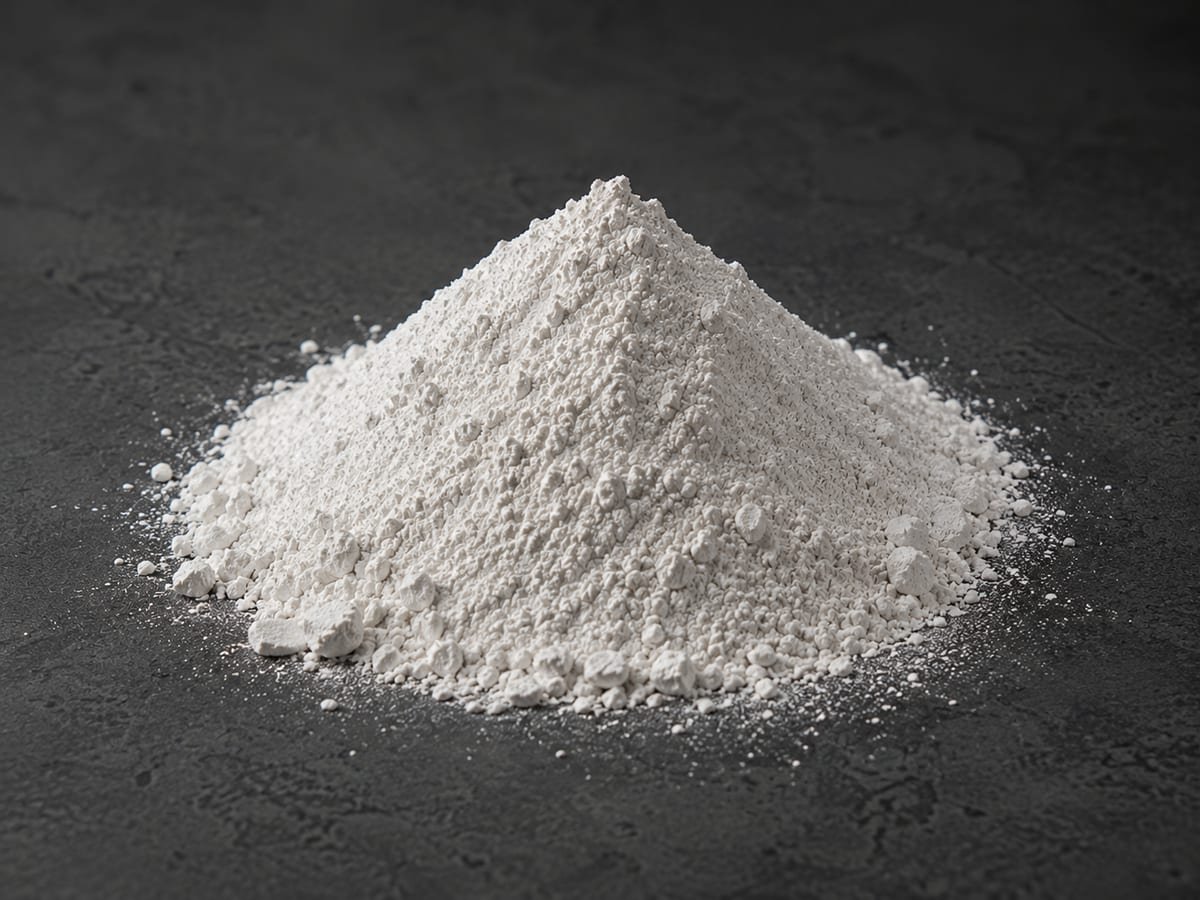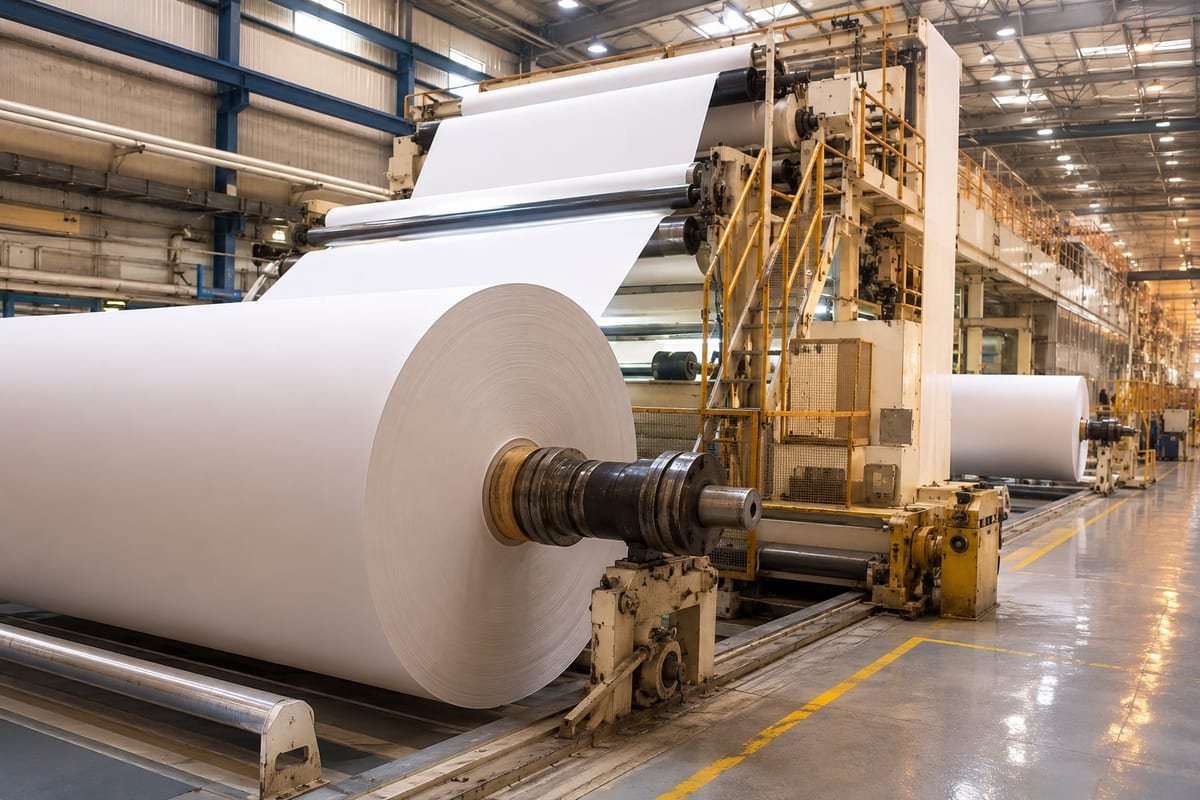
Dosing the right amount of filler doesn’t guarantee it stays in the sheet — a meaningful fraction of fine calcium carbonate or kaolin particles can wash straight through the forming wire unless a separate retention system is doing its job, and that’s a process chemistry decision distinct from filler selection itself.
Root Causes
First-pass retention is documented with a precise technical definition: the fraction of total solids in the furnish that does not pass through the forming screen (measured on a 125 P screen, 76-micron openings, using a dynamic drainage jar), with first-pass ash retention specifically measuring the fraction of mineral filler retained by that same test. This precision matters because it’s exactly the fine, sub-2-micron filler particles most valued for brightness and coating smoothness that are most prone to washing through the forming wire rather than being captured in the sheet — the same fineness that helps optical properties works against retention.
Retention aids are documented as addressing this through several distinct mechanisms, not a single generic action: charge neutralization, where high-charge cationic polymers neutralize negatively charged fines and colloids so they flocculate together into retainable particles; bridging via polyelectrolyte adsorption, where long-chain polymers adsorb across multiple particles and physically bridge them into loose flocs; and microparticle (dual) systems, which combine small inorganic microparticles with a cationic polymer to build stable, microporous flocs. It’s documented as common practice to run both a drainage aid and a retention aid together in demanding grades like alkaline fine paper, since the two address related but distinct parts of the formation process, and unretained fines that escape into the white water create a separate downstream recovery and recycling burden for the mill.
What This Means for Raw Material Selection
Because filler retention is governed by a separate chemistry system rather than filler grade alone, a mill experiencing retention losses or inconsistent sheet properties should evaluate the retention-aid system and its mechanism match to the filler type, not just the filler’s own specification.
The practical points for a buyer are: measure first-pass ash retention specifically (not just overall solids retention) when troubleshooting inconsistent sheet mineral content, since fine fillers are documented as disproportionately prone to washout relative to fiber; match retention-aid mechanism to the specific filler and furnish chemistry in use, since charge-neutralization, bridging, and microparticle systems address different aspects of the flocculation challenge and aren’t interchangeable defaults; and treat white-water fines recovery as a linked cost consideration when evaluating retention performance, since unretained filler doesn’t just reduce sheet quality — it becomes a separate recycling and filtration burden documented as a persistent operational challenge.
Sources: ChemPoint and Industrial Cellulosics technical product articles on UCARFLOC retention aids for papermaking; USPTO patent literature on retention and drainage systems for alkaline fine paper and cationic/anionic polymer retention aid chemistry; Wiley Online Library (Canadian Journal of Chemical Engineering) peer-reviewed comparative study on flocculation, retention, and drainage in papermaking; industry technical guides (Chemipaz, Jiangsu Hengfeng) on retention aid systems and dosing practice.