
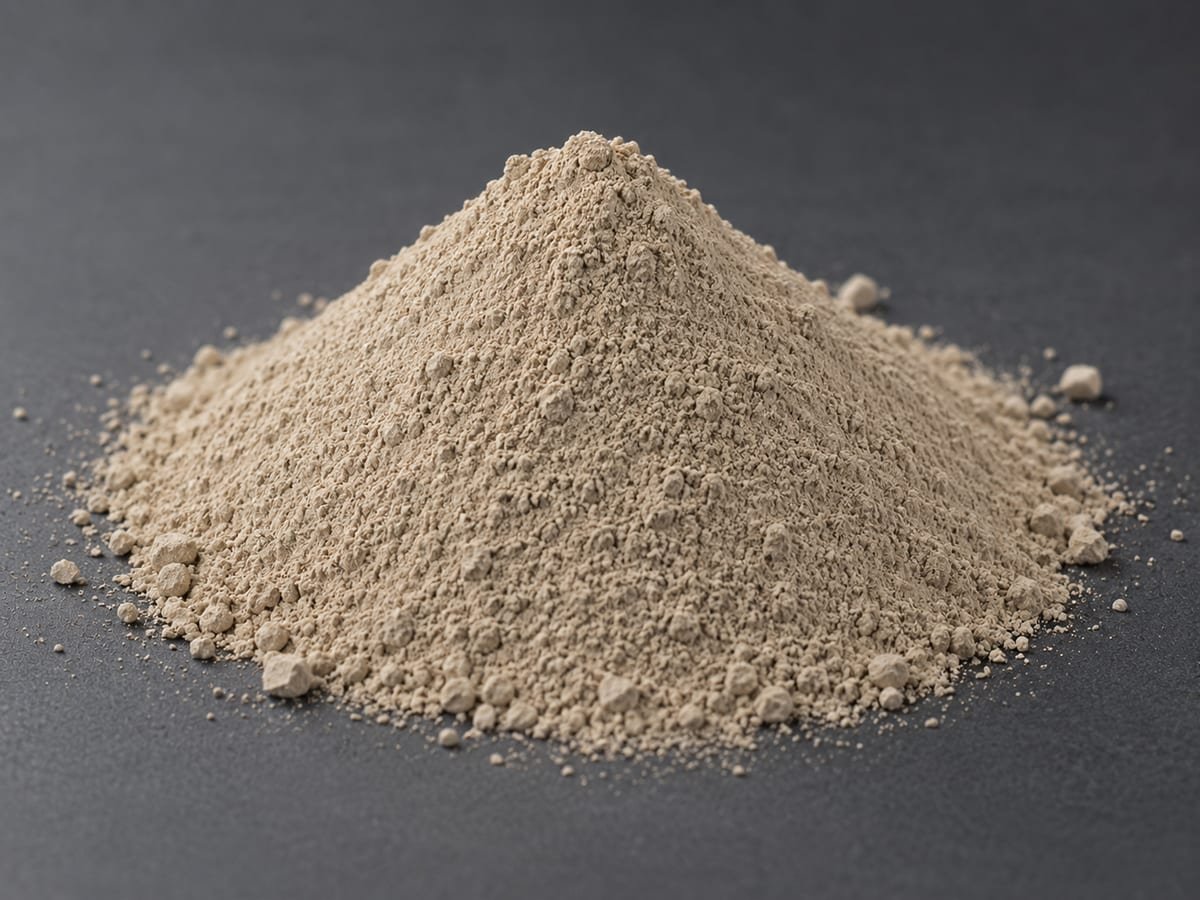
Bentonite
What Bentonite is used for across oil & gas, water containment, and ceramics, and what buyers need to know about grade selection.
Overview
Bentonite is a clay mineral used across several industries — oil & gas, water containment, and ceramics — for a different reason in each. The breakdown below covers what it actually does in each industry.
What is it?
Bentonite is a clay composed predominantly of montmorillonite. Sodium bentonite is the form most relevant to drilling and containment applications: it swells substantially when it comes into contact with water — 15 to 17 times its dry volume in geosynthetic liner applications — forming a dense, low-permeability barrier.
Why should I use it?
- Distinct technical roles. The same swelling/hydration behavior is put to very different use depending on the industry — as a viscosity and filtration control agent in drilling fluids, as a low-permeability containment barrier, and as a plasticizer/binder in ceramics — see the breakdown below.
- Performance specified by industry standard, not just composition. Drilling-grade material is qualified against API Spec 13A; containment-grade material is qualified against a distinct set of ASTM test methods.
How its role changes by industry
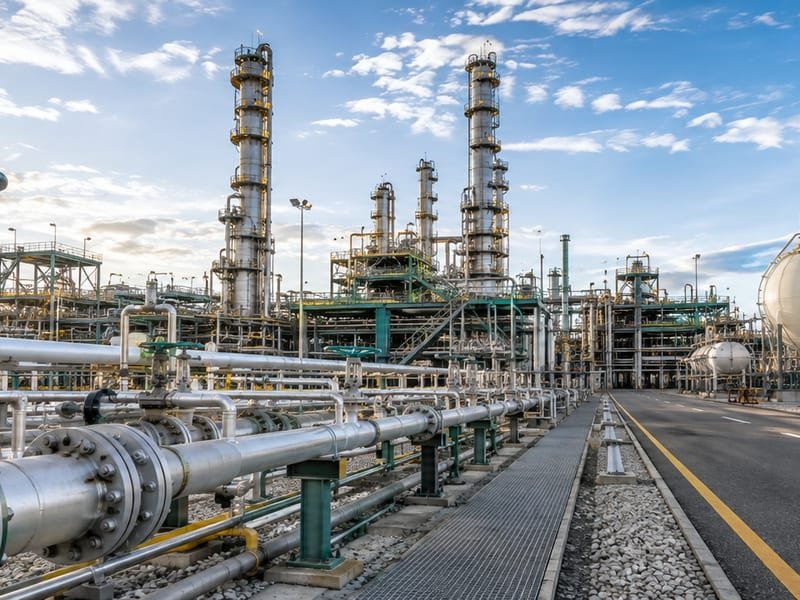
- Oil & Gas: used as a viscosifier and filtration-control agent in drilling fluids. To qualify as drilling-grade under API Spec 13A, it must meet performance minimums — including a swelling requirement of at least 24 mL per 2 g of clay, a maximum fluid loss of 15 mL in a 30-minute filter-press test, and a minimum 600-rpm viscometer reading of 30 — not just natural, unprocessed sodium bentonite by itself.
- Water Treatment: the clay component in geosynthetic clay liners (GCLs) used for water and sewage pond containment and landfill leachate barriers. Bentonite’s swelling forms a barrier with hydraulic conductivity of 10⁻¹¹ cm/s or lower in qualified GCL products (ASTM D5887) — a physical containment barrier, not a chemical water treatment.
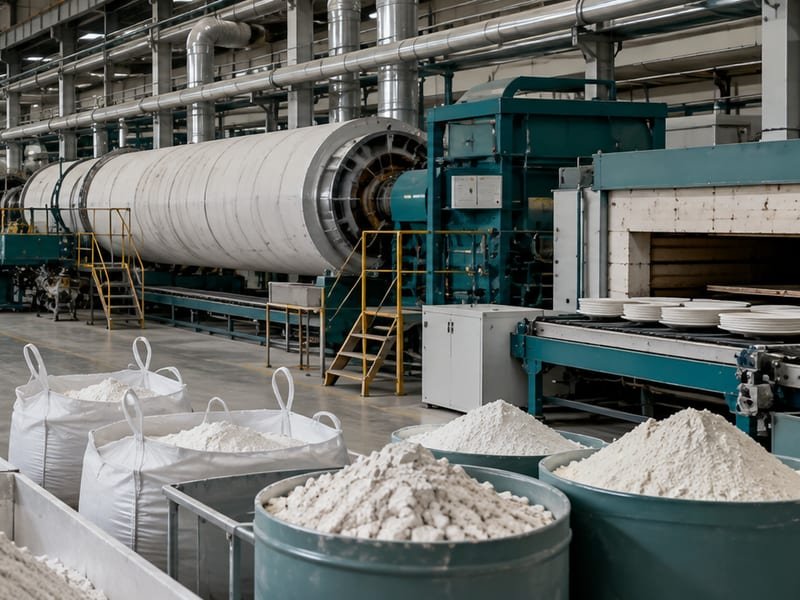
- Ceramics: a plasticizer and binder, typically added at just 1–3% — a small amount is enough to noticeably increase a clay body’s workability and keep suspensions from settling out (see Limitations for why more isn’t better here).
Limitations — when it isn’t the right choice
- In Ceramics, more isn’t better. Because it’s added at such a small percentage, overdosing it — even modestly — can cause warping and cracking in the finished body; the addition rate is a real constraint, not a target to maximize.
Key Applications
The material's role changes by industry — click any industry to see its full page.

Physical Properties
| Property | Typical Value | Note |
|---|---|---|
| Montmorillonite Content | ≈ 80% | Typical published value — MX-80 Wyoming bentonite, arXiv |
| Specific Gravity | ≈ 2.76 g/cm³ | Typical published value — MX-80 Wyoming bentonite, arXiv |
| Swell Index (ASTM D5890) | ≥ 24 mL/2g | Typical published value — GCL/containment grade |
| Moisture Content | ≤ 10% | Typical published value — drilling grade under API Spec 13A |
| Slurry Yield | ≈ 90-100 bbl/ton of 15-cP mud | Typical published value — The Driller |
These are typical published values for the material in general, not a certificate of analysis (COA) for a specific shipment. Actual per-batch values are set by the COA accompanying supply.
Grades
Grade and Specification Guide
These reference codes illustrate grade categories and specifications for comparison and selection. The commercial grade and final specification are determined by your application requirements, the technical data sheet and the batch certificate of analysis.
Standards & Technical References
Every claim on this page traces back to a verifiable reference:
- Tier 1Industry StandardAPI Spec 13A — Drilling Fluids Materials
- Tier 1Government PublicationUSGS — Mineral Commodity Summaries 2025, Clays (Bentonite)
- Tier 1Government PublicationUS EPA — Geosynthetic Clay Liners Used in Municipal Solid Waste Landfills
- Tier 1StandardASTM D5887 (hydraulic conductivity), D5890 (swell index), D5891 (fluid loss) — Geosynthetic Clay Liner test methods
- Tier 3Technical Referencedigitalfire.com — Bentonite
- Tier 2University/ResearchThermo-mechanical behaviour of a compacted swelling clay (MX-80 Wyoming bentonite) — arXiv
- Tier 3Technical ReferenceThe Driller — Simplifying BBL: HDD Specialty Fluid Products vs. High Yield Bentonite
Frequently Asked Questions
What is bentonite?
A clay composed predominantly of montmorillonite. Sodium bentonite is the form most relevant to drilling and containment applications — it swells substantially when it comes into contact with water, 15 to 17 times its dry volume in geosynthetic liner applications.
Why is bentonite used across such different industries?
Because the same swelling/hydration behavior is put to very different use depending on the industry — as a viscosity and filtration control agent in drilling fluids, as a low-permeability containment barrier in water treatment, and as a plasticizer/binder in ceramics.
What are the minimum performance requirements to qualify as drilling-grade bentonite?
It must meet performance minimums under API Spec 13A — a swelling requirement of at least 24 mL per 2 g of clay, a maximum fluid loss of 15 mL in a 30-minute filter-press test, and a minimum 600-rpm viscometer reading of 30 — not just natural, unprocessed sodium bentonite by itself.
What role does bentonite play in water containment?
It is the clay component in geosynthetic clay liners (GCLs) used for water and sewage pond containment and landfill leachate barriers. Its swelling forms a barrier with hydraulic conductivity of 10⁻¹¹ cm/s or lower in qualified GCL products — a physical containment barrier, not a chemical water treatment.
Why isn't more bentonite better in ceramics?
Because it's added at such a small percentage (just 1-3%), overdosing it — even modestly — can cause warping and cracking in the finished body; the addition rate is a real constraint, not a target to maximize.


