A ceramic body that comes out of the kiln warped or cracked after firing perfectly straight didn’t fail randomly — firing shrinkage is a predictable outcome of the body’s mineral composition, and warping happens when that shrinkage doesn’t occur evenly across the piece. Getting this right starts with understanding that kaolin, feldspar, and quartz each pull the body’s firing behavior in a different, sometimes opposing, direction.
Root Causes
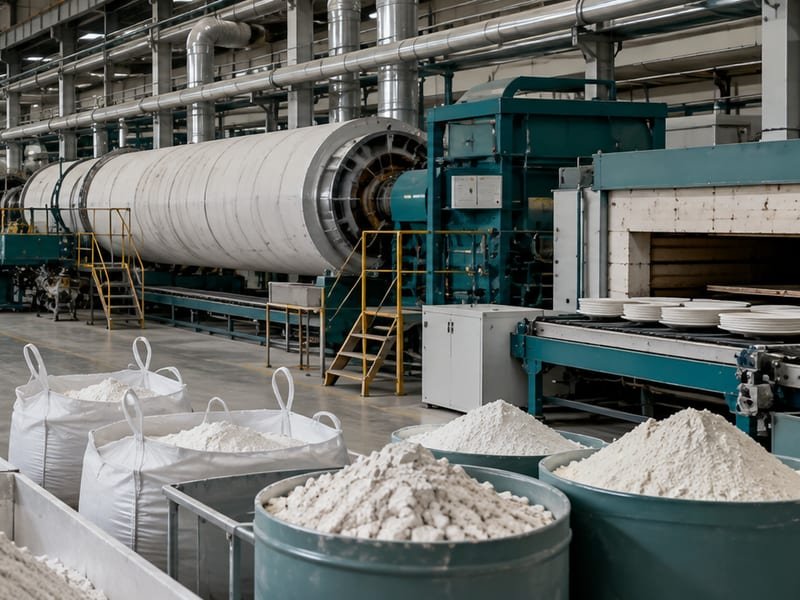
As a ceramic body heats in the kiln, it densifies: particles pack closer together, and once the temperature is high enough for some components to begin melting, the resulting glass phase pulls remaining particles even closer, driving further shrinkage. How much a given body shrinks, and how evenly, depends on which minerals dominate the recipe.
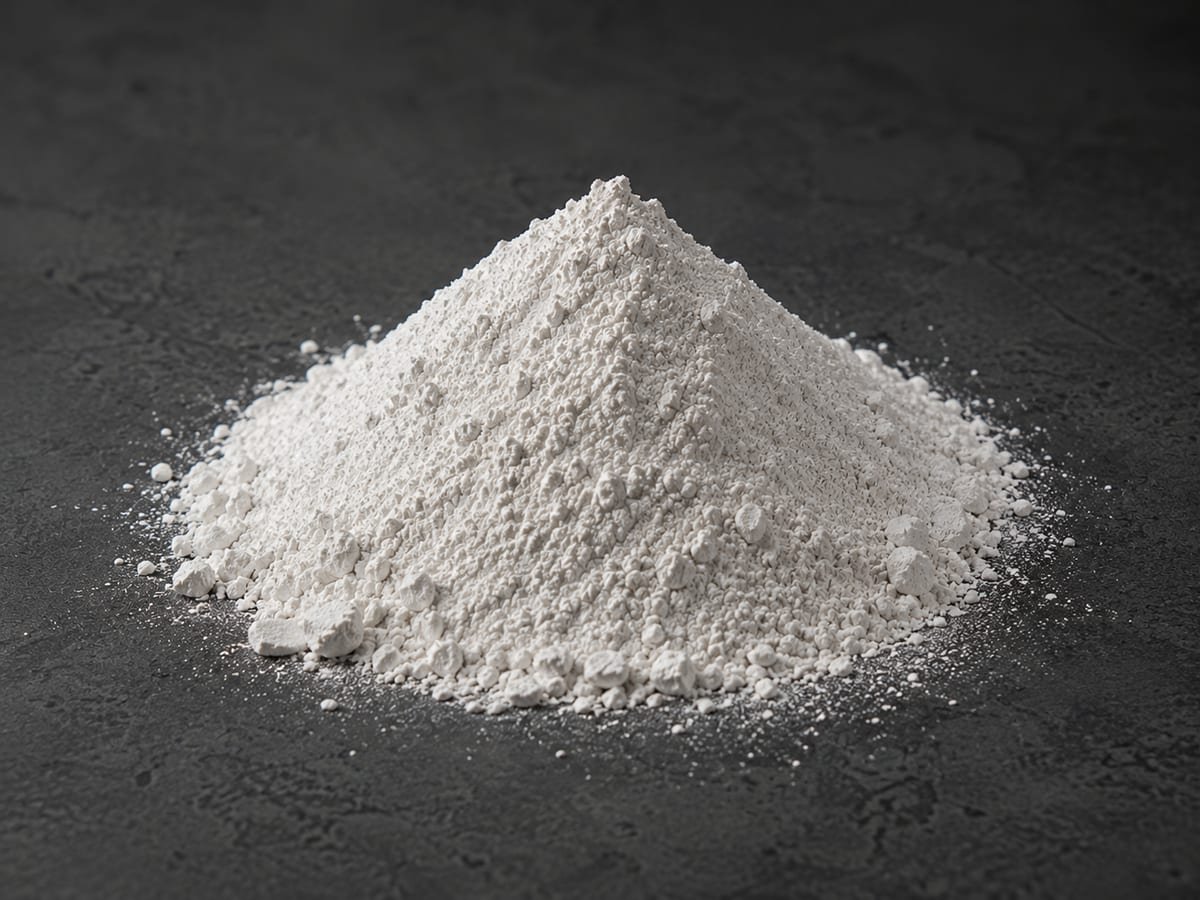
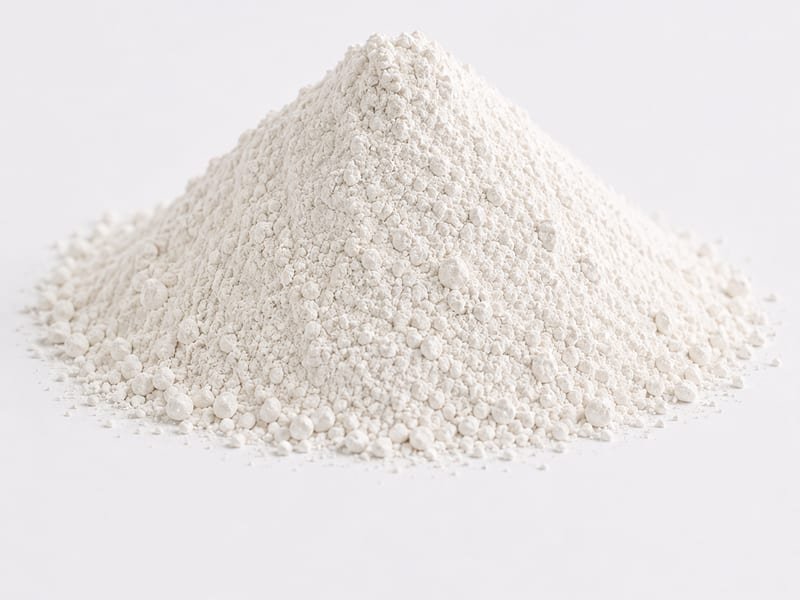
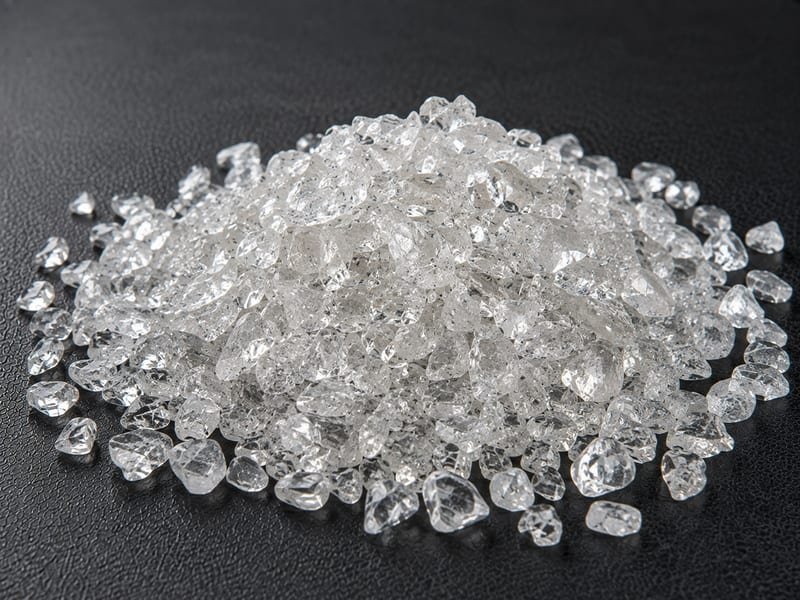
Kaolin contributes shrinkage of its own, independent of vitrification. In its raw state, kaolin’s platy particles are loosely packed, and as firing temperature rises these layers pull together — some kaolin grades are documented as carrying notably high firing shrinkage even before any glass phase forms. Feldspar works differently: it acts as a flux, lowering the temperature at which the body begins to vitrify, and because feldspar itself is non-plastic, its presence in a formulation is associated with reduced shrinkage and warping relative to a higher-plasticity, higher-kaolin body — though bodies with a higher feldspar content (porcelain bodies in particular) are also documented to shrink and warp more overall as they reach a more fully vitrified, glassy state. Quartz plays a counterbalancing role: it resists the same fluxing action that drives shrinkage, and its presence is documented to help offset excessive shrinkage and increase the melt’s viscosity, which reduces the risk of the body deforming or slumping as it approaches full vitrification.
Because these three minerals pull in different directions — kaolin toward inherent particle-packing shrinkage, feldspar toward flux-driven vitrification shrinkage, quartz toward shrinkage resistance and melt stiffening — the net shrinkage and warping behavior of a body is a function of the ratio between them, not any single ingredient’s property in isolation.
What This Means for Raw Material Selection
Because kaolin, feldspar, and quartz push shrinkage behavior in different directions, a body reformulated by adjusting one of the three without accounting for how it interacts with the other two can shift firing shrinkage or warping risk in ways that don’t show up until the kiln. A higher-plasticity, higher-kaolin recipe brought in to improve forming behavior, for example, is not a shrinkage-neutral change — it can raise firing shrinkage unless the feldspar and quartz fractions are re-balanced to compensate.
For a buyer specifying raw materials for a ceramic body, the practical implication is that kaolin, feldspar, and quartz grade and proportion need to be evaluated together against the target firing shrinkage and warping tolerance for the specific ware being produced, not each mineral qualified independently against its own spec sheet. Because different kaolin sources carry meaningfully different inherent shrinkage even at similar particle size and chemistry, and because feldspar’s fluxing strength varies with its own alkali content, re-verifying firing shrinkage on an actual test bar whenever a source or ratio changes — rather than assuming a formulation change that worked for forming behavior will also hold shrinkage and warping constant — is the practical safeguard.
Sources: Digitalfire Corporation, ceramic materials and firing behavior reference (firing shrinkage, warping, kaolin, feldspar entries); general ceramic body formulation literature on the role of kaolin, feldspar, and quartz in porcelain and stoneware body composition; Ceramics Monthly / Ceramic Arts Network technical articles on clay body deconstruction and warping causes.