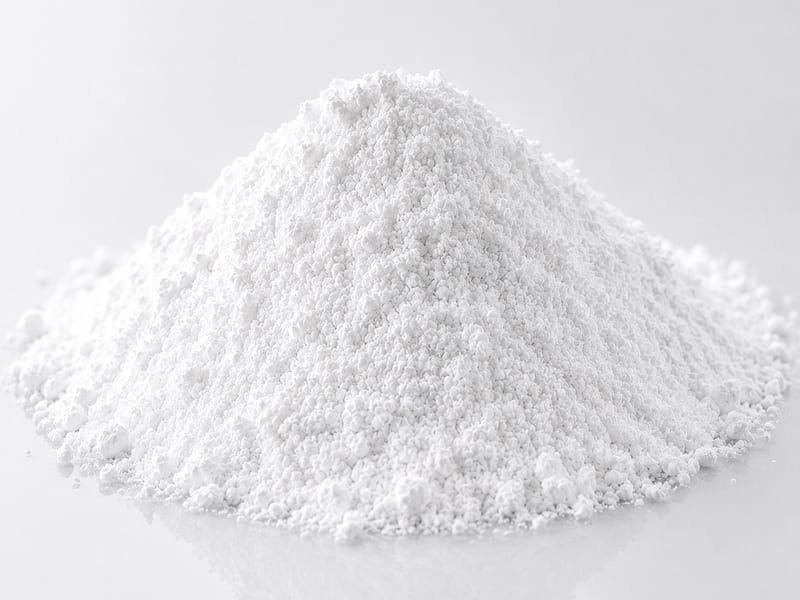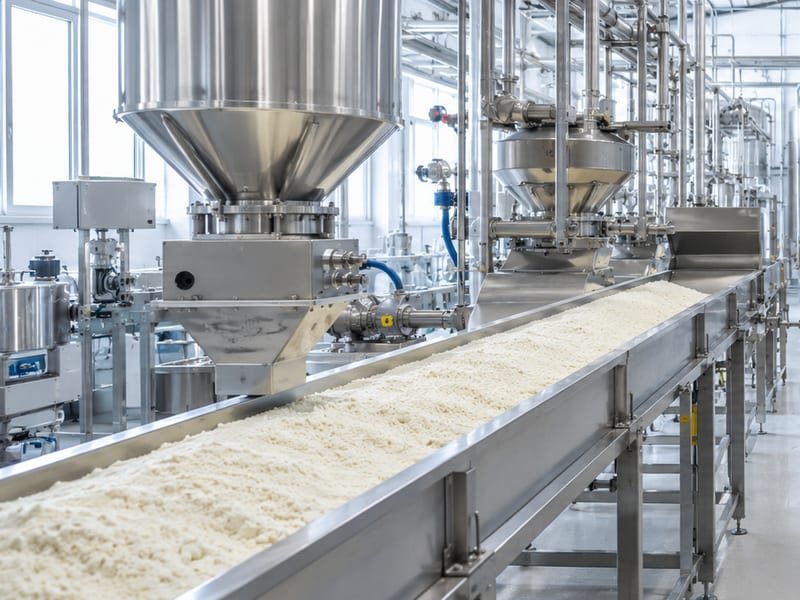
Clean-label reformulation isn’t about switching to a fundamentally different anticaking mechanism — calcium carbonate and silica are documented as functionally comparable to the synthetic alternatives they replace, but they read differently to a consumer scanning an ingredient list, and that distinction is what actually drives the reformulation.
Root Causes
Calcium carbonate is documented as a natural mineral commonly used as an anticaking agent, effective at preventing clumping and widely used across powdered drink mixes, baking mixes, and seasoning blends, and it’s obtained from naturally occurring ground limestone — a sourcing story that reads as recognizable and simple on a label. Silicon dioxide (silica) is documented performing the same functional role — preventing clumping in powdered spices, seasonings, and baking mixes — but is documented as producing a different consumer reaction: label-readers respond negatively to “silicon dioxide” or “silica” appearing on an ingredient list even though the mineral itself serves the identical anticaking function as calcium carbonate.
Both minerals are documented specifically as clean-label alternatives to synthetic chemicals like calcium silicate and magnesium stearate — meaning the reformulation logic isn’t about achieving a different technical result, it’s about achieving the same anticaking result through an ingredient that reads as more recognizable, natural, or simple. The clean-label movement itself is documented as consumer-driven, demanding a return to real food and transparency through ingredients that are natural, familiar, and easy to recognize, understand, and pronounce — a naming and perception standard, not a functional-performance standard.
What This Means for Raw Material Selection
Because the clean-label reformulation decision is driven by ingredient perception and naming rather than a functional performance gap, a formulator switching from a synthetic anticaking agent to calcium carbonate or silica should expect comparable anticaking function, not a technical upgrade, and should plan the switch around label communication as much as raw material sourcing.
The practical points for a buyer are: select calcium carbonate specifically when the reformulation goal includes both anticaking function and a recognizably natural-sourced ingredient (naturally occurring ground limestone), since its sourcing story supports the clean-label positioning directly; be aware that silica performs the same anticaking function as calcium carbonate but doesn’t carry the same favorable consumer perception, meaning it’s a functional substitute for synthetic anticaking agents but not necessarily a stronger clean-label choice than calcium carbonate specifically; and treat the reformulation as a labeling and sourcing-transparency project as much as a raw-material swap, since the documented driver behind clean label is ingredient recognizability and simplicity, not a technical deficiency in the synthetic alternatives being replaced.
Sources: EssFeed industry technical article on clean-label anticaking alternatives; FoodAdditives.net technical reference on calcium silicate (E552) uses in food; IFT (Institute of Food Technologists) Food Technology Magazine article on clearing up clean-label confusion; CAES Field Report technical publication on clean labeling and the real food movement.