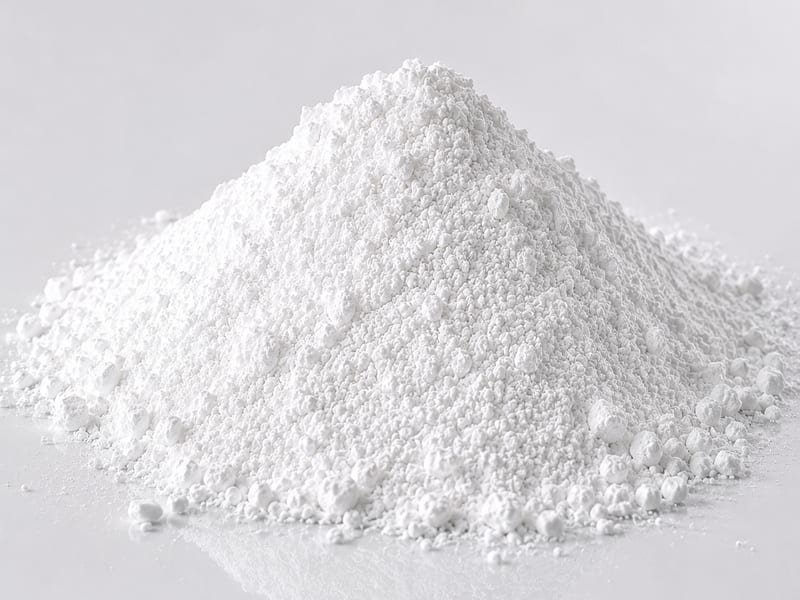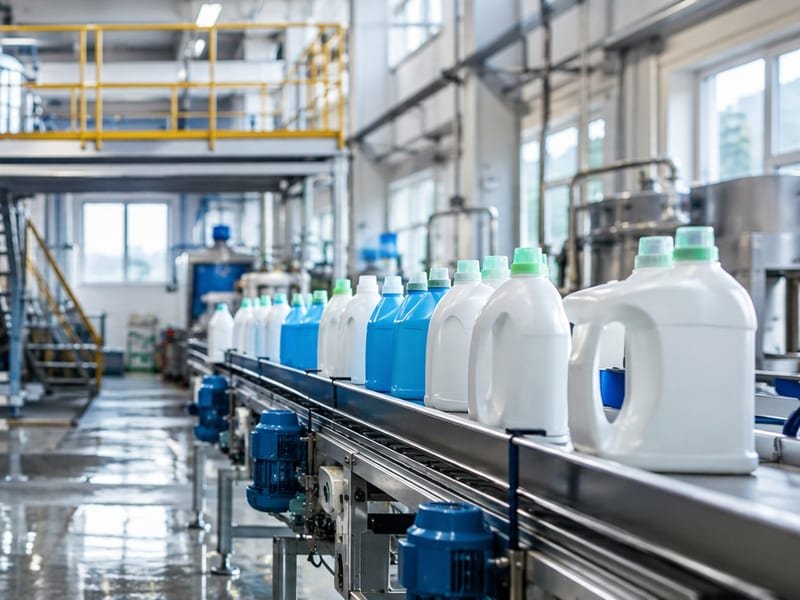
Bulk soda ash storage should protect the material from moisture and preserve reliable discharge. The first distinction is between storing dry sodium carbonate, transferring the powder and preparing a solution: these are separate operations. Diagnose the actual stage where the problem occurs before changing material or equipment.
Why does soda ash cake in storage?
Solvay’s storage statement advises cool, dry storage and notes lump formation in high humidity. This supports controlling moisture exposure; it does not establish that every caking event requires one particular humidity cycle. Product condition, the storage environment and the handling history should be reviewed together.
Dry storage vs. mixing systems: what is the difference?
- Dry storage: protect the material and check how it discharges from its container or silo.
- Transfer and feeding: review the conveying route, possible contamination and the point of entry to the process.
- Solution preparation: define the process requirement separately, including the water and mixing equipment specified by the process engineer.
The ANSAC safety data sheet addresses handling and storage. Sodimate’s equipment range illustrates how storage, feeding and mixing functions may be combined in a system. It is an equipment example, not a statement that every plant should use the same design.
What should you check when powder stops flowing?
- Record where the restriction occurs: unopened packaging, storage, discharge or conveying.
- Inspect the material’s handling history and packaging condition using the site’s safe inspection procedure.
- Review moisture exposure, condensation and relevant temperature or humidity records.
- Compare the material documents and current lot condition with a known satisfactory delivery.
- Have the responsible engineer assess the discharge equipment and safe recovery procedure.
Do not treat hitting, vibrating or entering a silo as a universal remedy. Equipment selection and intervention need the site’s engineering and safety procedures, rather than an instruction inferred from the chemical name.
What information helps prevent a repeat?
Keep a record of the grade, lot, packaging, storage duration, observed condition and process location. This separates a material question from an equipment or environmental question. Review the soda ash grade guide and transport and transloading considerations for the preceding steps in the material’s journey.
What is the practical next step?
Compare the evidence before changing grade or specifying a handling system. If the issue concerns material selection, share the application and observed storage problem. This guide explains material-handling questions; it is not a design specification for a silo or mixing plant.
Content updated: