Precise chemical dosing and raw water variability aren’t two separate problems — a dosing rate that’s precise for yesterday’s turbidity is often wrong for today’s, because seasonal shifts and rainfall events change the water faster than most dosing routines are set up to follow.
Root Causes
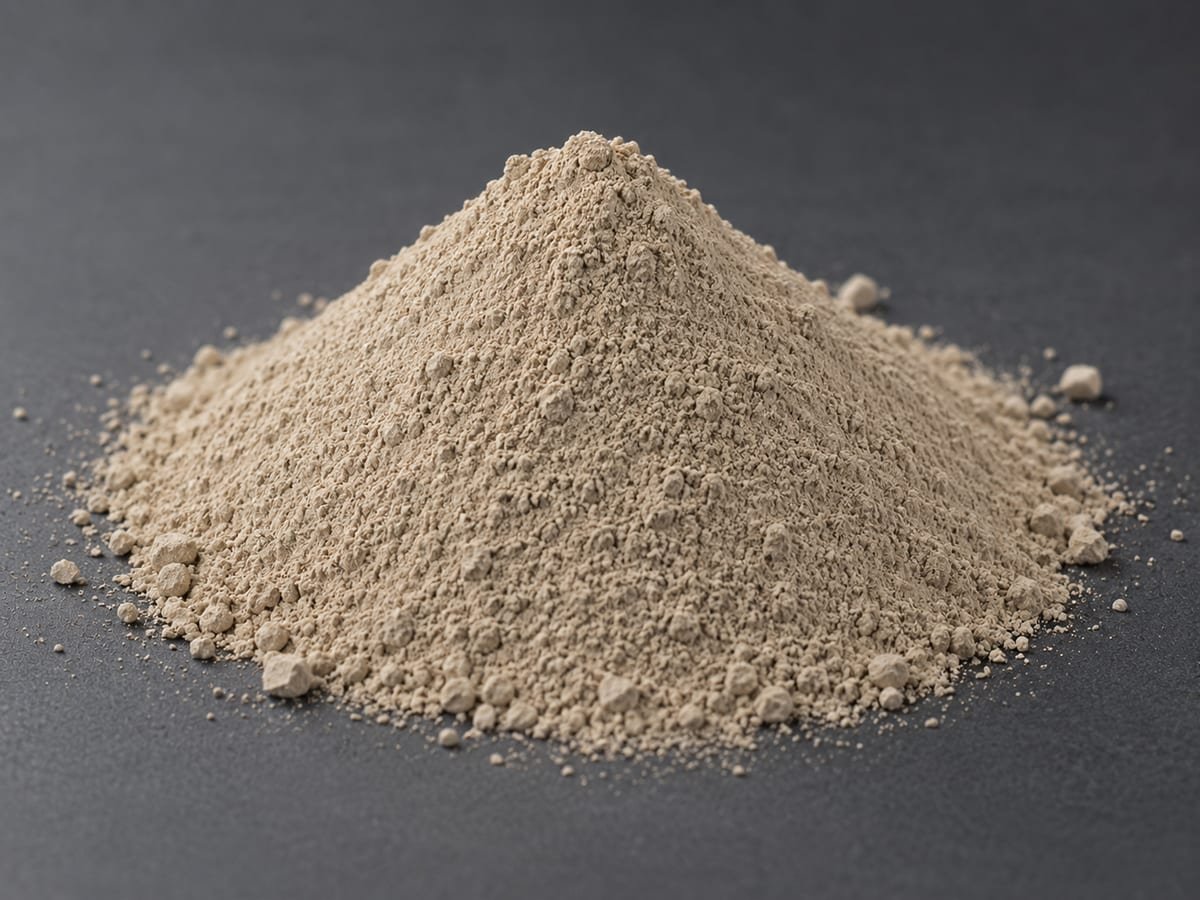
Seasonal changes in raw water chemistry and organic content, along with rainfall events, cause rapid shifts in turbidity and color that directly change the coagulation conditions a treatment plant is operating under — meaning a bentonite coagulant dose calibrated for one turbidity level can be meaningfully off-target within the same week. Bentonite functions as a coagulation aid by binding fine suspended particles into larger, settleable flocs, and dosage that actually works is documented in real ranges: an Na⁺-saturated, medium-cation-exchange-capacity bentonite achieved significant turbidity removal at around 30 mg/dm³ in controlled testing, with real industrial applications documented using bentonite clay injection in the 600-1,200 ppm range for heavily loaded wastewater.
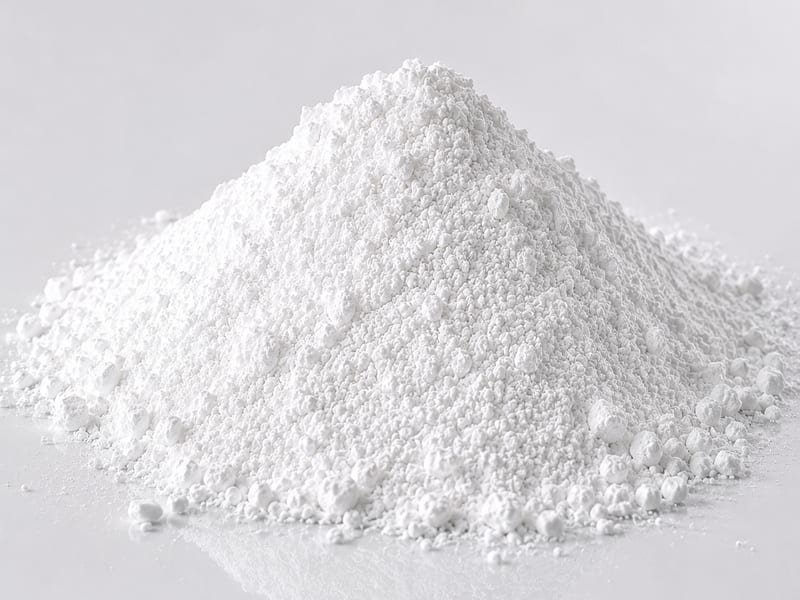
The standard method for setting dosage, jar testing, has a documented structural limitation for exactly this problem: jar testing typically takes 30-45 minutes to produce a result, meaning it doesn’t respond to rapid changes in water quality even though it’s the tool most commonly used to determine the “right” dose. On the pH side, soda ash dosing faces the same underlying variability challenge from a different angle: raw water alkalinity and calcium content shift with the source, and soda ash dosing has to be adjusted against those shifts to hold the target pH and alkalinity for both coagulation efficiency and downstream corrosion control, rather than dosing to a single fixed setpoint regardless of what the raw water is doing.
What This Means for Raw Material Selection
Because both bentonite coagulant dosing and soda ash pH/alkalinity dosing are responding to the same underlying raw water variability, treating them as independent “get the recipe right once” specifications misses the actual operating challenge — the recipe has to track the water, not the other way around.
The practical points for a buyer are: build a dosing range around documented bentonite dosage benchmarks (roughly 30 mg/dm³ for moderate turbidity up to the 600-1,200 ppm range for heavily loaded industrial streams) rather than a single fixed rate, and treat jar test results as directional guidance with a known 30-45-minute lag rather than real-time control; pair coagulant dosing decisions with soda ash dosing on the same variability logic, since both are responding to the same shifting raw water chemistry rather than operating on independent schedules; and prioritize faster-responding monitoring or more frequent dosing checks specifically during known high-variability periods (storm events, seasonal transitions), since the jar-test lag is the documented gap between water quality changing and the dosing system catching up.
Sources: peer-reviewed research (ResearchGate) on raw water treatment using bentonite-based coagulants and cation-exchange-capacity effects on turbidity removal; IWA Publishing and PMC peer-reviewed research on coagulant dosage prediction and jar-test methodology limitations in water treatment; USPTO patent literature on bentonite clay coagulant dosing applications in industrial wastewater treatment; general water treatment technical literature on soda ash dosing for pH/alkalinity adjustment.