Membrane fouling is usually diagnosed and solved on the membrane side — cleaning chemistry, antiscalants, replacement schedules — but the documented leading cause of fouling is suspended solids that pretreatment filtration was supposed to catch before the water ever reached the membrane.
Root Causes
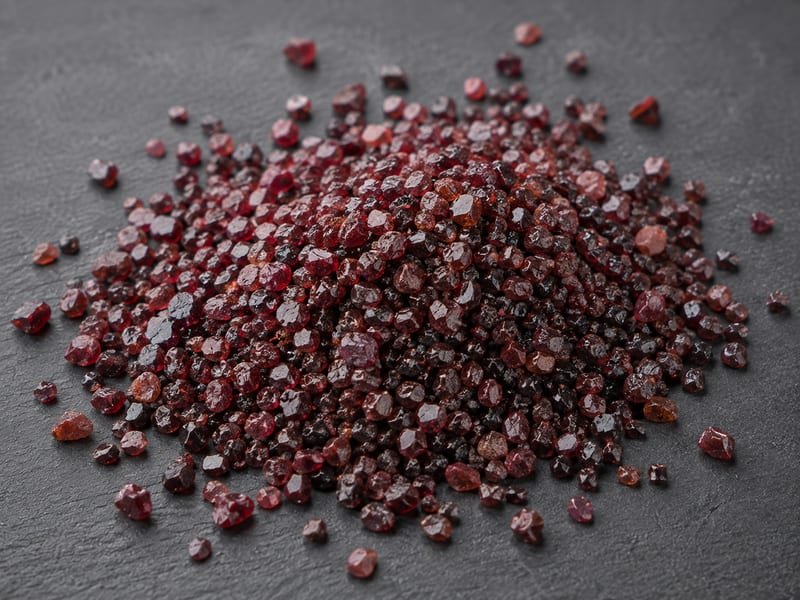
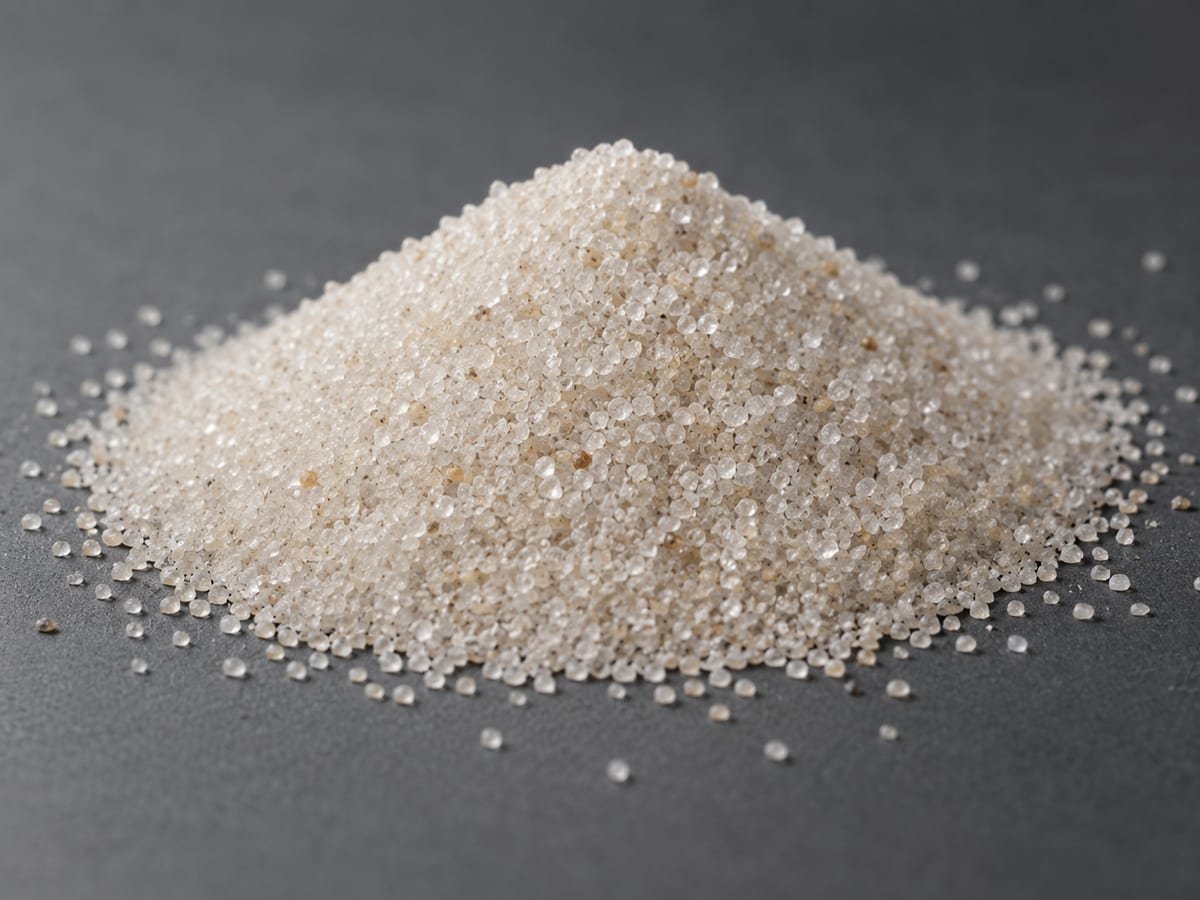
Suspended solids are documented as the leading cause of reverse osmosis membrane fouling, and multimedia filtration is the first-stage pretreatment specifically tasked with removing suspended solids and colloidal material before water reaches the RO stage. The filtration mechanism is graded by design: as water passes through carefully graded layers of anthracite, sand, and garnet, larger particles are caught in the upper layers while smaller particles are trapped in the denser, finer garnet layer at the bottom — a gradual, layered removal process rather than a single filtration step, which is what allows the bed to reduce feed-water turbidity significantly before reverse osmosis.
Pretreatment performance is measured against a specific, standardized benchmark: the Silt Density Index (SDI). Typical RO systems require SDI values below 5, while high-performance plants require SDI below 3 — a documented, testable target that pretreatment filtration either hits or doesn’t, rather than a general “clean enough” judgment. Backwashing frequency is directly tied to how hard the media bed is working: cleaning cycles typically run every 24-72 hours depending on turbidity loading, meaning the media grading and bed design that determine SDI performance are the same variables that determine how often the plant has to take the filter offline for backwashing.
What This Means for Raw Material Selection
Because suspended solids are the documented primary fouling driver and pretreatment media is what actually removes them, membrane fouling problems traced back to feed water quality are often a pretreatment media specification issue rather than a membrane-side chemistry issue — meaning the fix is often upstream of where fouling gets diagnosed.
The practical points for a buyer are: specify and verify pretreatment performance against the documented SDI target for the plant’s performance tier (below 5 for standard systems, below 3 for high-performance systems) rather than a general turbidity reduction claim, since SDI is the specific benchmark that predicts fouling risk; confirm garnet and silica sand media grading is matched to the particle size range that actually drives SDI failures, not just bulk turbidity, since the layered removal mechanism depends on each media layer being sized correctly relative to the others; and when a plant is fighting unexplained membrane fouling, audit pretreatment media condition and grading before escalating to membrane-side interventions, since suspended solids passing an underperforming pretreatment bed is documented as the leading root cause the membrane itself can’t fully compensate for.
Sources: Starke Filter Media technical guide on selecting filter media for RO pretreatment; Pure Aqua and Chiwatec technical guides on multimedia filtration and mechanical pretreatment for reverse osmosis; PMC/NCBI peer-reviewed research comparing coagulation-integrated sand filtration and ultrafiltration for seawater RO pretreatment; industry technical literature on SDI standards and multimedia filter backwash frequency in RO pretreatment operations.