Thermal energy is documented as one of the largest cost lines in ceramic manufacturing, and the temperature a kiln has to reach is set primarily by the flux content of the body — not by an arbitrary firing schedule — which makes flux formulation a direct lever on fuel cost, not just a plasticity or strength decision.
Root Causes
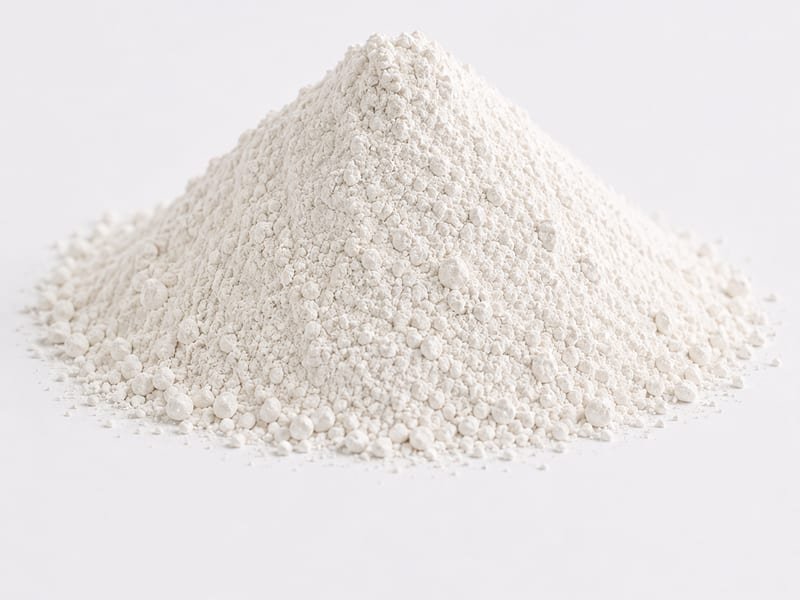
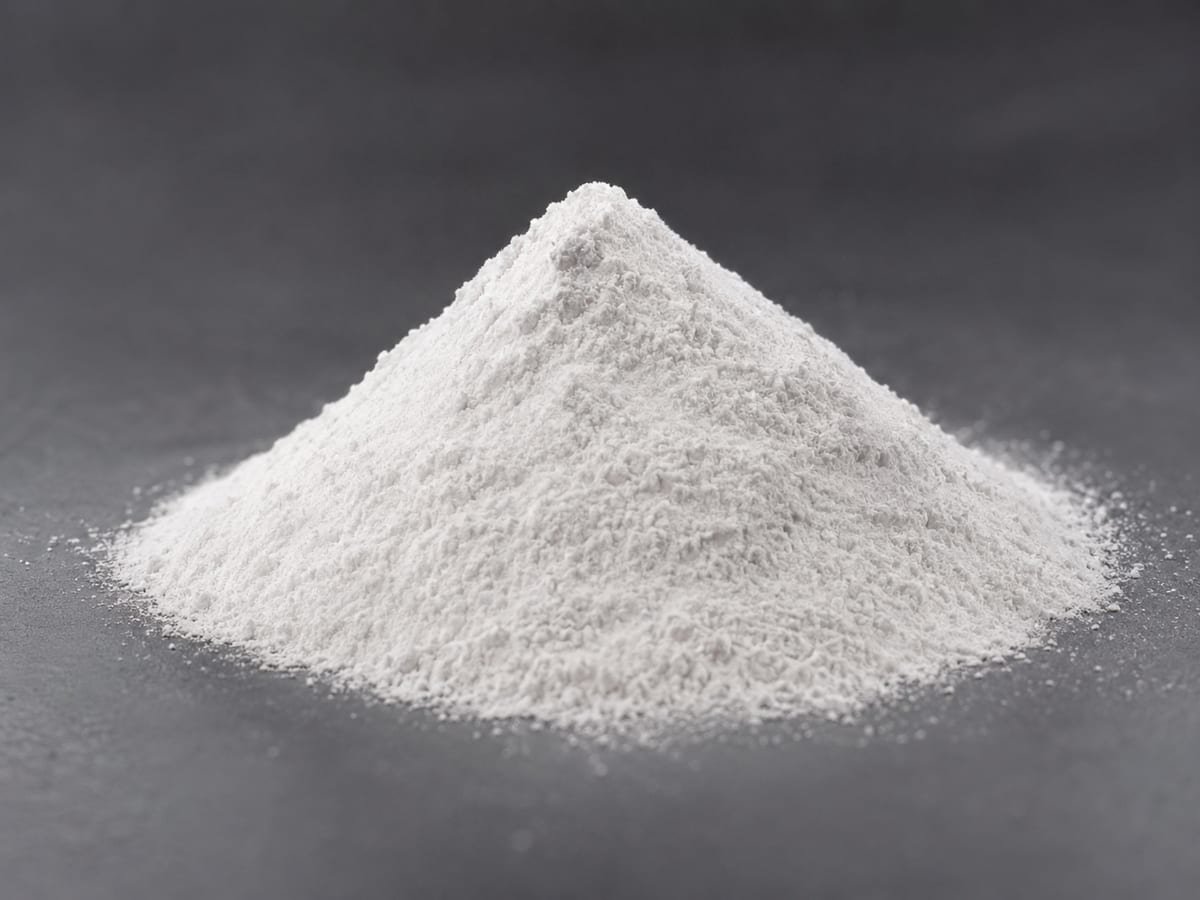
Feldspar is the primary flux in most ceramic bodies: it melts during firing and forms a glassy phase that binds the more refractory particles together, and the documented relationship is that firing shrinkage is a product of the amount of flux present to develop vitrification, not of temperature alone. Typical feldspar loadings scale with the vitrification target — porcelain bodies can run up to around 50% feldspar, stoneware bodies around 15%, and roughly 35-40% feldspar is reported as what it takes to vitrify an American kaolin at cone 5-6. Talc plays a related but distinct role as a flux/thermal stabilizer, particularly in wall tile and steatite-type bodies, where it lowers thermal expansion and firing shrinkage.
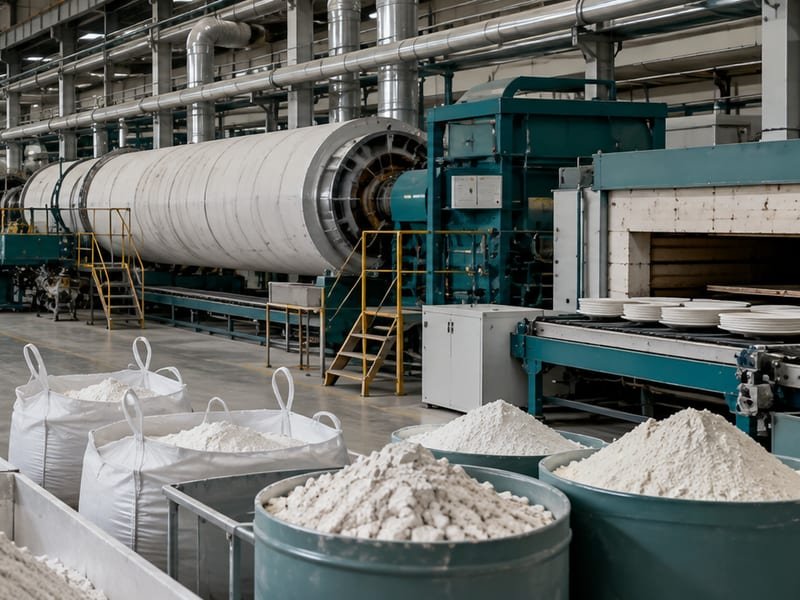
Thermal energy costs are reported at around 15% of total ceramic tile manufacturing costs, with kiln firing accounting for as much as 30% of total manufacturing cost in some segments, and more than 50% of kiln energy input is lost through flue gas and cooling exhaust in typical roller kilns. Firing temperature reduction and heat-recovery measures together are reported to cut fuel demand by 10-20%, and cutting fuel costs by that range is documented as capable of reducing total production cost by 23-25% in some product categories — underscoring how directly firing temperature (and therefore flux formulation) connects to the manufacturing cost structure, separate from equipment-side efficiency measures like insulation or heat recovery.
What This Means for Raw Material Selection
Because flux content, not the firing schedule alone, sets the temperature a body needs to vitrify, the raw-material lever for reducing kiln energy cost is the feldspar (and, where applicable, talc) loading and grade in the formulation — a body already running at maximum feldspar loading for its whiteness or strength target has little room to fire lower without a formulation change, while a body with headroom in its flux loading may be able to shift its firing curve downward without sacrificing vitrification.
The practical points for a buyer are: treat flux content and firing temperature as a linked specification, not two independent variables — request the vitrification/maturing temperature data associated with a given feldspar or talc grade rather than assuming any flux-grade swap is temperature-neutral; recognize that white-burning bodies already pushed to a high feldspar percentage to vitrify at a lower cone are the least flexible candidates for further temperature reduction, since further increasing flux content to compensate risks over-vitrification and warping; and evaluate flux grade changes for firing-temperature impact alongside the equipment-side efficiency measures (insulation, heat recovery) that address the same cost line from the process rather than the material.
Sources: Digitalfire technical glossary and mineral reference on feldspar’s role as a flux and its relationship to firing shrinkage and vitrification; ceramic tile kiln energy studies (ScienceDirect on cooling gas heat recovery; SpringerLink on energy-efficient vertical kilns); Soul Ceramics and CAP Tournage kiln firing cost calculation references; industry data on thermal energy’s share of ceramic manufacturing cost and achievable fuel-demand reduction through insulation and heat-recovery measures.