
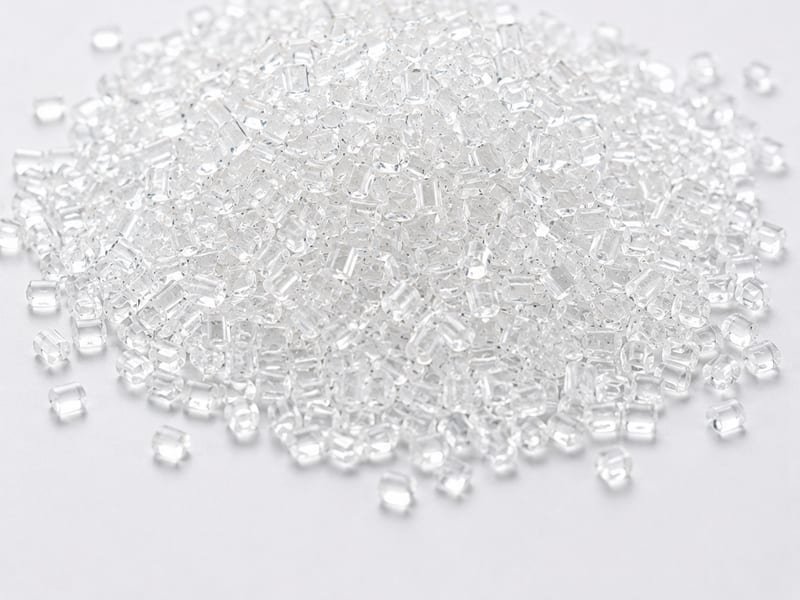
PET (Polyethylene Terephthalate)
What PET is used for in packaging and textiles, how grade selection works, and what buyers need to know about food-contact approval limits.
Overview
PET is a resin used across two distinct roles — plastics packaging and textile fiber. This page covers what it actually does in each, and how grade selection works.
What is it?
PET grades — used for bottles, fiber, or film — are differentiated by inherent viscosity (IV), a molecular-weight indicator measured in dL/g under ASTM D4603 using a glass capillary viscometer. This measurement is both a specification tool for a given grade and a process-control check during manufacturing; higher inherent viscosity corresponds to higher molecular weight.
Why should I use it?
- One resin, graded for very different end uses by a single, standardized measurement (inherent viscosity) — see the breakdown below.
- Food-contact approval exists, but it has real limits — see Limitations.
How its role changes by industry
- Plastics & Polymers: bottle-grade PET, differentiated from fiber- and film-grade material by its inherent viscosity (ASTM D4603), is used for beverage and food containers. It’s authorized by the US FDA (21 CFR 177.1630) for contact with food, as films, molded articles, or spunbonded nonwoven fabric.
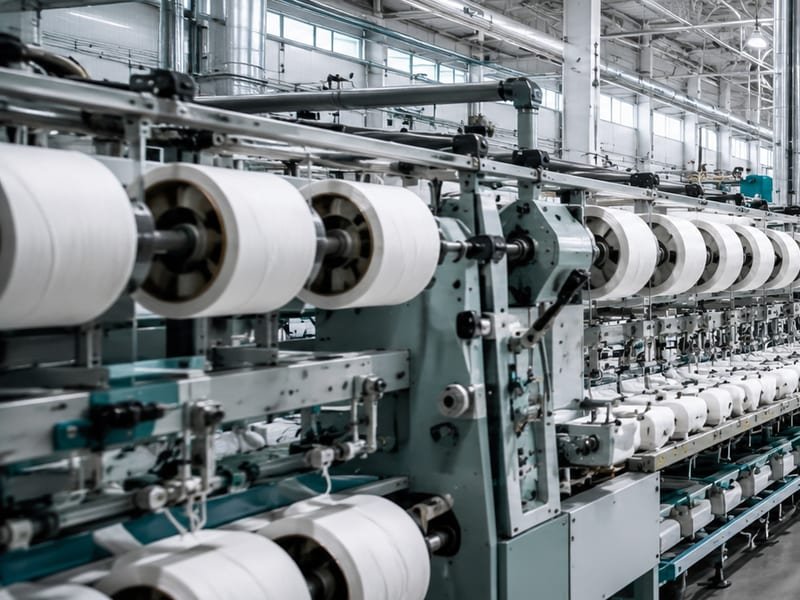
- Textiles: fiber-grade PET — again identified by its own inherent viscosity range under ASTM D4603 — is the polyester fiber used in woven and nonwoven fabric.
Limitations — when it isn’t the right choice
- Standard FDA food-contact approval doesn’t cover every food and temperature condition. Under 21 CFR 177.1630, PET’s food-contact authorization excludes foods containing more than 8% alcohol and use at temperatures above 49°C (120°F) — a packaging application outside those conditions needs its own separate evaluation, not an assumption that general PET food-contact approval automatically covers it.
Key Applications
The material's role changes by industry — click any industry to see its full page.

Standards & Technical References
Every claim on this page traces back to a verifiable reference:
- Tier 1StandardASTM D4603-18 — Standard Test Method for Determining Inherent Viscosity of Poly(Ethylene Terephthalate) (PET) by Glass Capillary Viscometer
- Tier 1Government/RegulatoryUS FDA — 21 CFR 177.1630, Polyethylene phthalate polymers


