
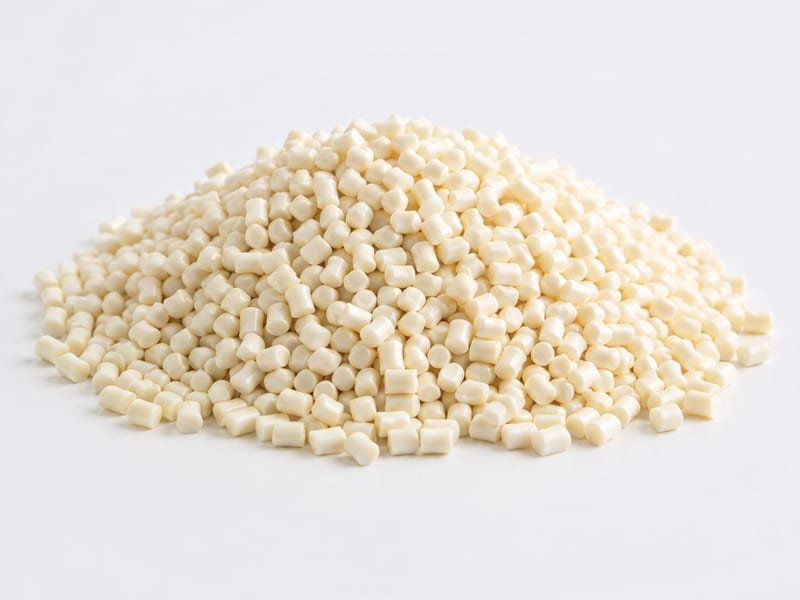
ABS (Acrylonitrile Butadiene Styrene)
What ABS is used for in plastics processing, its grade classification system, and a real UV-exposure limitation buyers should know about.
Overview
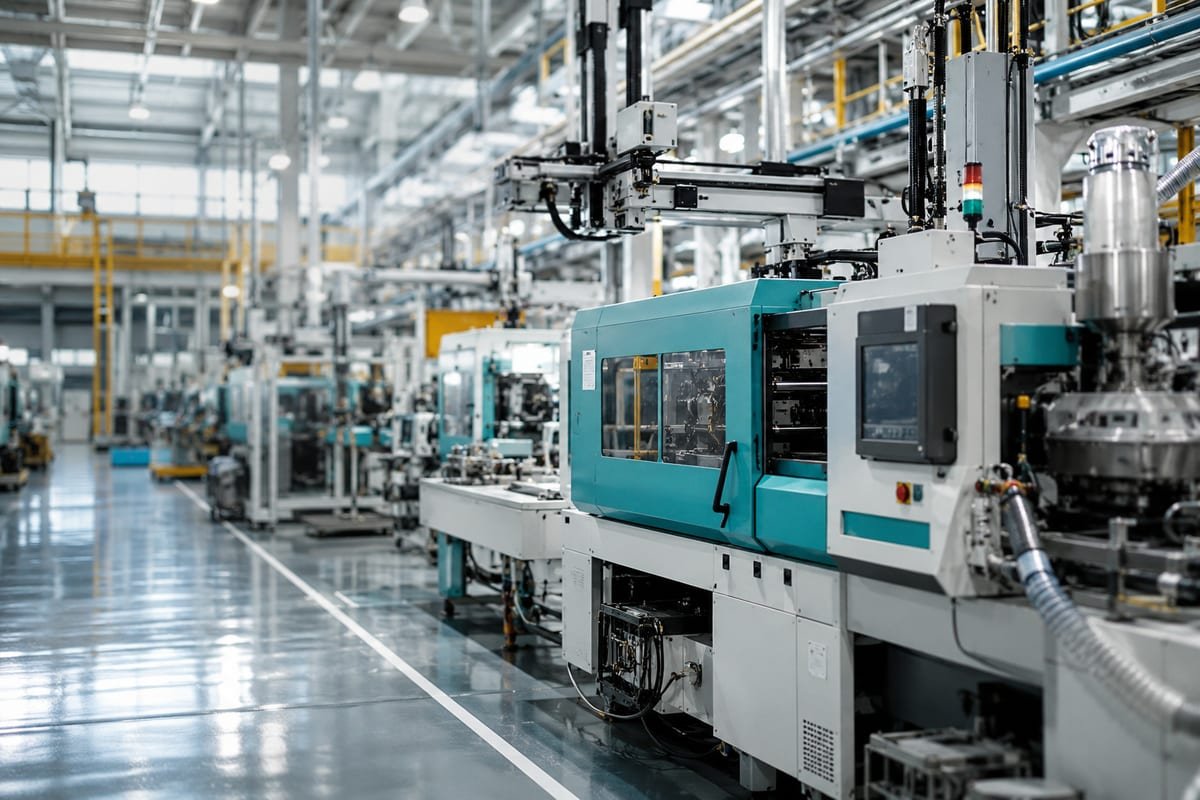
ABS is a resin used in plastics processing, mainly for injection molding and extrusion. This page covers its grade classification and a real limitation worth knowing before specifying it for outdoor use.
What is it?
ABS is a three-monomer resin — acrylonitrile, butadiene, and styrene — classified under ASTM D4673 for molding and extrusion, including alloys, and covering grouped classes and grades such as reinforced and lubricated variants.
Why should I use it?
- A single classification system covers its many grades — see “What is it?” above.
- A specific, measurable weakness under prolonged UV exposure — see Limitations.
How it’s used
In Plastics & Polymers, ABS is used for injection-molded and extruded parts.
Limitations — when it isn’t the right choice
- Unprotected, prolonged outdoor UV exposure is a real, measured weakness. A 2023 peer-reviewed study (using LEGO® bricks as ABS test samples) found a two-step photo-degradation process: the polybutadiene component photo-oxidizes first, and after more than 120 hours of exposure the styrene-acrylonitrile portion begins to depolymerize. After 1,390 hours of UV exposure, the material’s glass transition temperature dropped by 19°C — a measurable loss of thermal/structural stability. This was documented in one specific product’s material; it’s a real degradation mechanism to weigh for outdoor use, not necessarily identical across every industrial ABS grade.
Key Applications
The material's role changes by industry — click any industry to see its full page.
Physical Properties
| Property | Typical Value | Note |
|---|---|---|
| Density | ≈ 1.05 g/cm³ | Typical published value — MatWeb |
| Melt Flow Index (MFI) | ≈ 18-20 g/10min (220°C/10kg, ASTM D1238) | Typical published value — Genesis Polymers ABS 745 |
| Tensile Stress at Yield | ≈ 42 MPa (ASTM D638) | Typical published value — Genesis Polymers ABS 745 |
| Tensile Modulus (Young's) | ≈ 2,270 MPa (ASTM D638) | Typical published value — Genesis Polymers ABS 745 |
These are typical published values for the material in general, not a certificate of analysis (COA) for a specific shipment. Actual per-batch values are set by the COA accompanying supply.
Grades
Grade and Specification Guide
These reference codes illustrate grade categories and specifications for comparison and selection. The commercial grade and final specification are determined by your application requirements, the technical data sheet and the batch certificate of analysis.
Standards & Technical References
Every claim on this page traces back to a verifiable reference:
- Tier 1StandardASTM D4673-23 — Standard Classification System for and Basis for Specification for Acrylonitrile–Butadiene–Styrene (ABS) Plastics and Alloys Molding and Extrusion Materials
- Tier 2University/ResearchEffect of aging on ABS plastic — study of LEGO® bricks, Polymers (MDPI), 2023
- Tier 3Materials DatabaseMatWeb — Typical density of general-purpose ABS (per ASTM D792)
- Tier 3Global SupplierGenesis Polymers — ABS 745 resin datasheet (typical properties per ASTM D1238/D638)
Frequently Asked Questions
What are the three monomers ABS is made from?
Acrylonitrile, butadiene, and styrene — classified under ASTM D4673 for molding and extrusion, including alloys.
How are ABS's different grades classified?
Under a single classification system (ASTM D4673) that covers many grouped classes and grades, including reinforced and lubricated variants.
Is ABS suitable for prolonged outdoor sun exposure?
Not without protection. A 2023 peer-reviewed study found a real, measurable weakness under prolonged UV exposure.
What happens to ABS under prolonged UV exposure?
It photo-degrades in two steps — the polybutadiene component photo-oxidizes first, then the styrene-acrylonitrile portion begins to depolymerize after more than 120 hours. After 1,390 hours of exposure, the test sample's glass transition temperature dropped by 19°C.


