Textiles

Textiles manufacturing depends on a specific mix of raw materials to hit its production, cost, and quality targets. PlaxRaw supplies these materials with consistent specifications and reliable batch-to-batch supply.

Multi-Region Sourcing
Verified Composition
Reliable Batch Supply
Documented Origin
01Applications

Applications

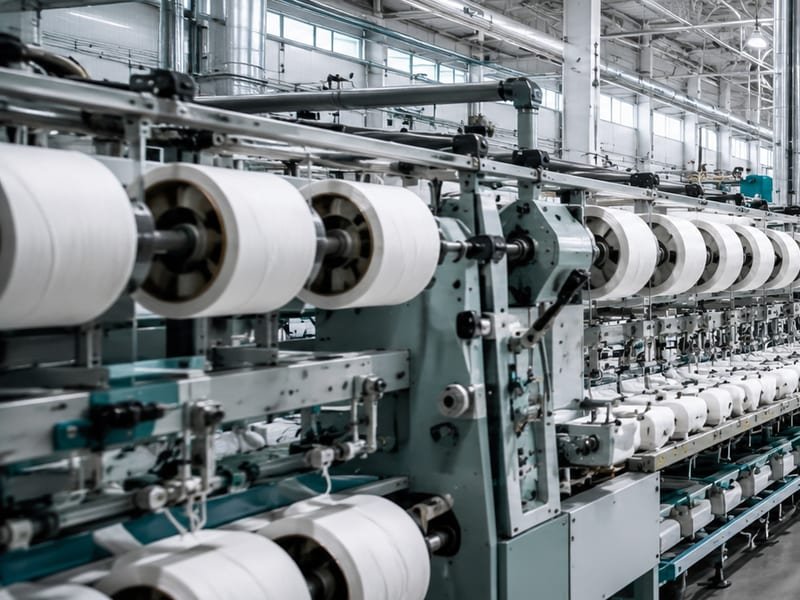
PET is the base polymer melted and spun into staple fiber and filament yarn, with titanium dioxide added during extrusion to control fiber luster.

Sodium sulphate is used as an electrolyte to drive dye exhaustion onto cotton and blended fabrics in reactive dyeing baths.

PET fiber forms the base for spunbond and needle-punched nonwovens used in geotextiles, filtration, and hygiene products.

PET/cotton blends rely on consistent fiber quality and dyeing auxiliaries like sodium sulphate for even shade across blended yarns.

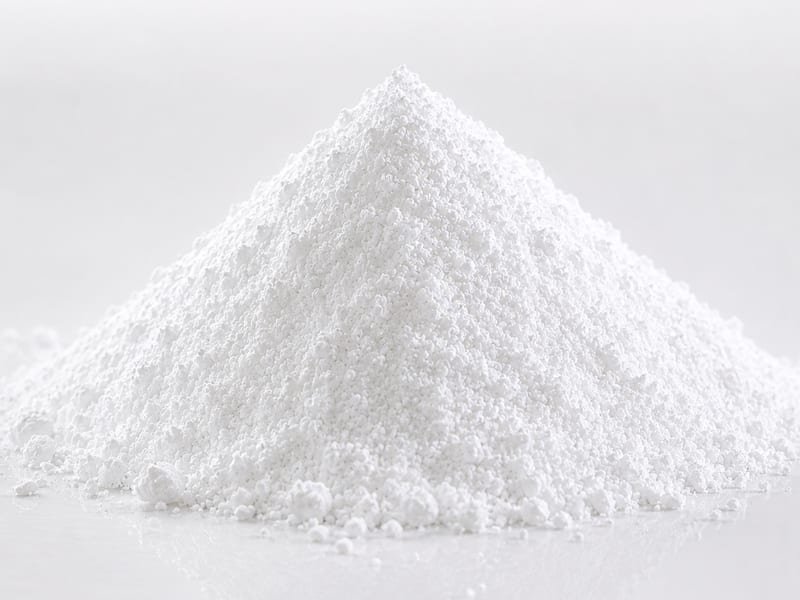
Titanium dioxide provides opacity in white and pastel pigment printing pastes used for patterns on dark or colored base fabrics.
MaterialRoleEstimated Share of Batch
PET (Polyethylene Terephthalate)
Base fiber polymer
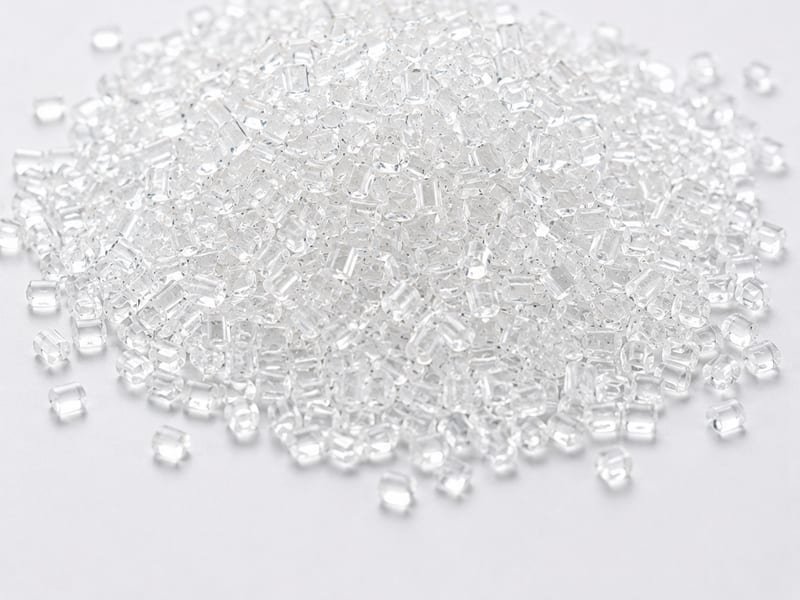
Serves as the base polymer chip melted and spun into polyester staple fiber and filament yarn used alone or blended with cotton.
50-100% (fiber content)
Sodium Sulphate
Sodium Sulphate
Dyeing auxiliary
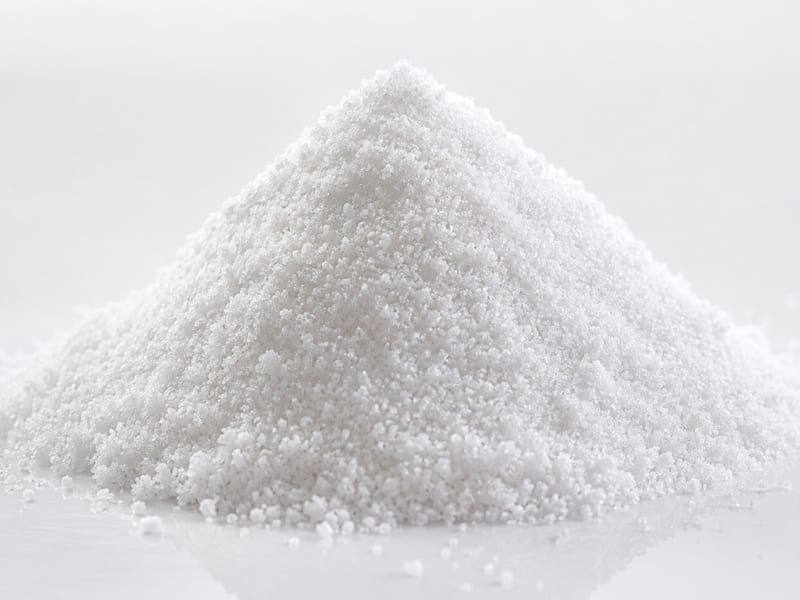
Used as an electrolyte in reactive dyeing baths to drive dye exhaustion and improve color uptake on cotton and blended fabrics.
5-15% owf (dyebath dosage)
Titanium Dioxide
Titanium Dioxide
Delustering / opacifying agent
Acts as a delustering agent added during fiber extrusion to reduce fiber shine, and as a white opacifying pigment in printing pastes.
<1% (fiber delustering); higher in print paste

Bars show a quick approximate share in a general formulation for this industry — actual ratios vary by product and production line.

02Common Challenges

Common Manufacturing Challenges

What Are You Trying to Improve?

A direct shortcut to the problem you're looking to solve.
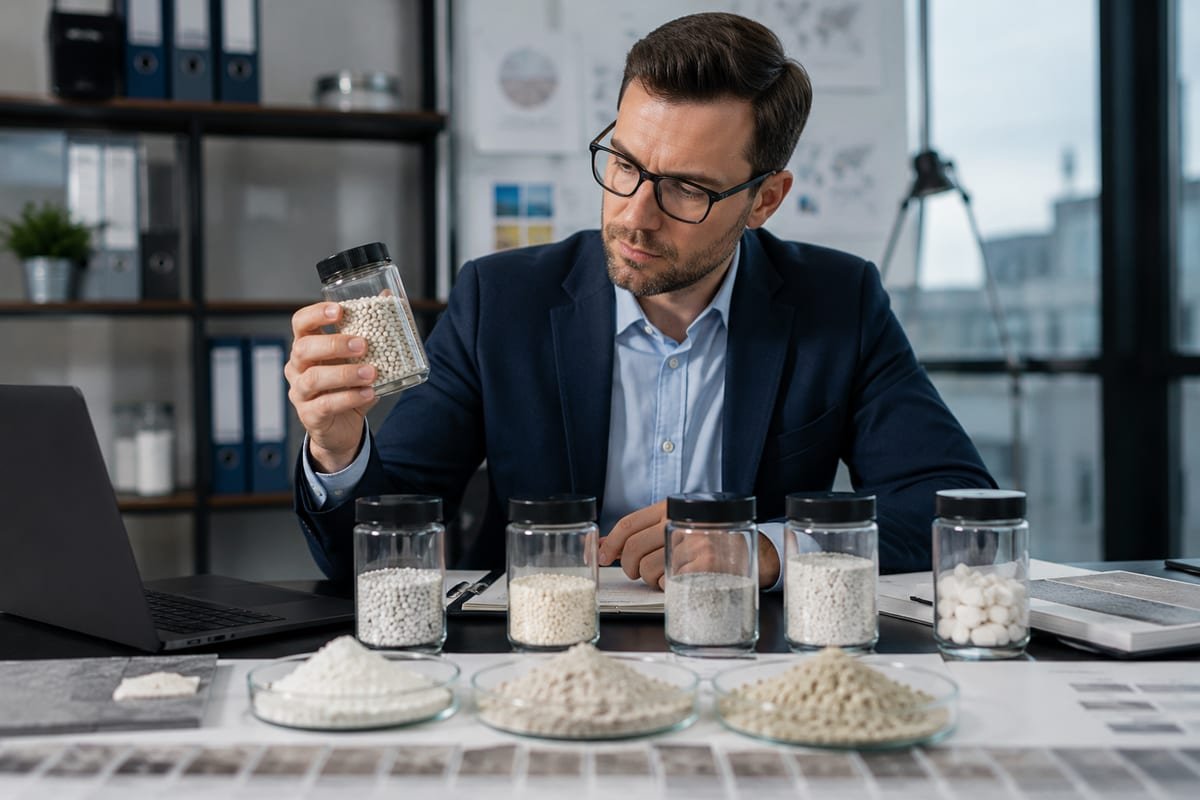
Consistent shade reproducibilityReduced water & effluent loadLower dyeing process costUniform fiber appearance
03Knowledge Center

Related Knowledge

Delustering Uniformity in Polyester and Nylon Fiber

Delustering Uniformity in Polyester and Nylon Fiber

PET-to-Cotton Blend Ratio and Yarn Uniformity

PET-to-Cotton Blend Ratio and Yarn Uniformity

PET Intrinsic Viscosity and Fiber Quality in Spinning

PET Intrinsic Viscosity and Fiber Quality in Spinning

Need help choosing the right material for your production line?

Our technical team will respond with a recommendation and technical specifications within one business day.

Request a Quote Now