Sludge disposal cost is treated as a fixed downstream burden by most treatment plants, but the coagulant chemistry chosen upstream is a documented lever on how much sludge there actually is to dispose of in the first place.
Root Causes
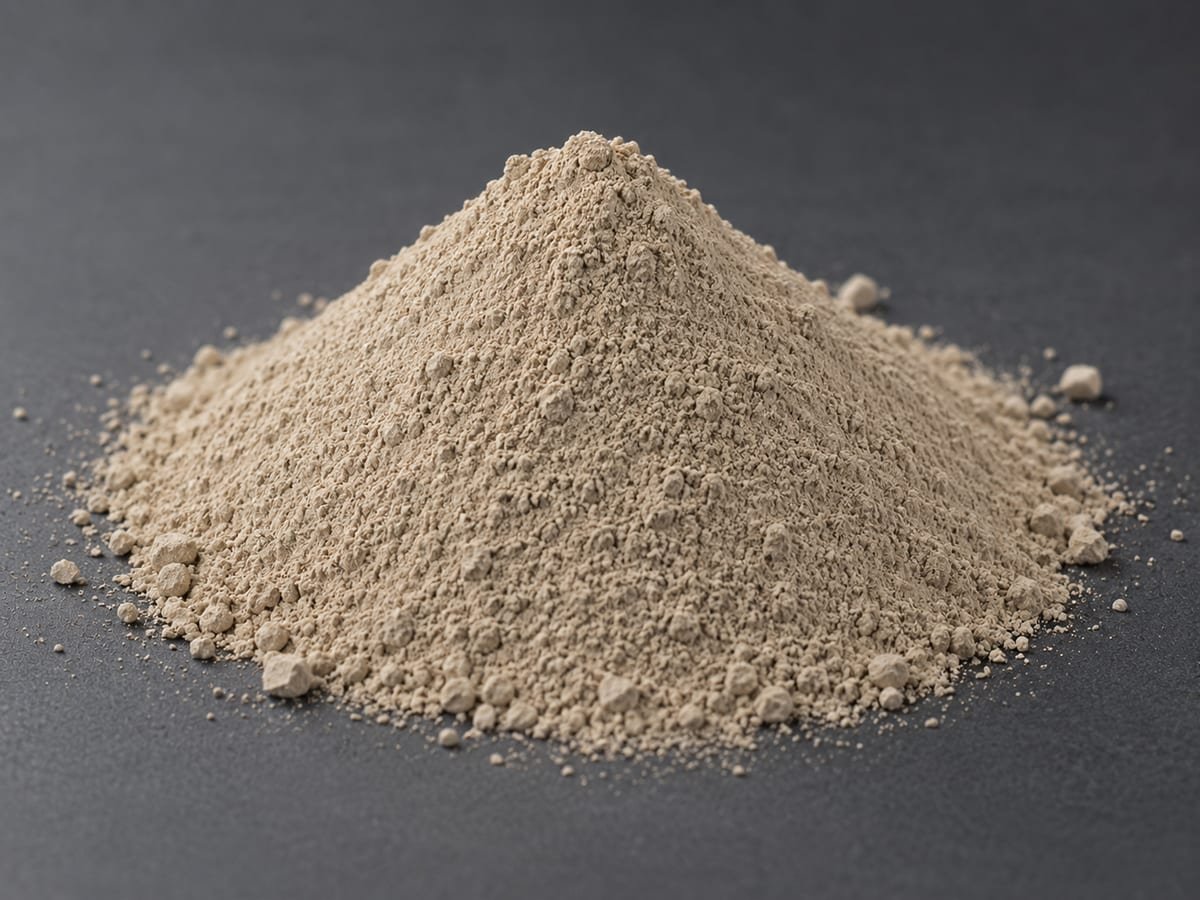
Sludge disposal from water treatment plants is documented as one of the more expensive sectors of plant operation specifically because of high water content — dewatering is essential for volume reduction, and that dewatering step itself requires further treatment and drying costs before the sludge can even reach final disposal. Coagulant chemistry directly affects how much of that costly water-laden sludge is generated: acid-modified bentonite is documented as producing stronger flocs with better re-flocculation behavior than traditional aluminum and ferric salt coagulants, resulting in a smaller volume of dewatered sludge for the same treatment outcome — a direct, chemistry-driven reduction in the downstream disposal burden rather than a process or equipment change.
The mechanism compounds through the full sludge-handling chain: efficient conditioning and dewatering, which bentonite-based coagulant chemistry is documented as supporting, can dramatically reduce sludge volume and the associated costs of transport and depositing. In practice, bentonite is documented performing this role in real industrial applications — clay injection in the 600-1,200 ppm range at a facility processing 70,000 gallons per day, with particular value specifically when wastewater carries heavy oil and grease loads (over 1,000 ppm), where bentonite clay assists dewatering in a way generic coagulants are documented as handling less effectively. Bentonite-based coagulant compositions are additionally documented as producing sludge of superior quality with decreased drying times, compounding the volume reduction with a processing-time benefit.
What This Means for Raw Material Selection
Because coagulant chemistry measurably changes sludge volume and dewaterability, not just treatment effectiveness at the clarification stage, a plant evaluating coagulant options should weigh downstream sludge-handling cost alongside upfront treatment performance rather than optimizing coagulant selection for clarification alone.
The practical points for a buyer are: factor documented sludge-volume-reduction data into coagulant selection specifically for facilities where disposal cost is a significant operating expense, since the chemistry choice made at the coagulation stage measurably changes the volume and dewatering cost downstream; consider bentonite-based coagulant chemistry specifically for wastewater streams carrying heavy oil and grease loads, given the documented dewatering-assistance advantage in exactly that condition; and evaluate sludge drying time and dewatered sludge quality, not just volume alone, as part of the total cost comparison, since the documented superior sludge quality translates into a separate processing-time cost saving beyond the volume reduction itself.
Sources: ScienceDirect peer-reviewed research on acidic-modified bentonite for sludge conditioning and dewatering; USPTO patent literature on bentonite clay coagulant applications in industrial wastewater treatment documenting real facility dosing data and sludge-quality outcomes; general water treatment plant operations technical literature on sludge dewatering and disposal cost drivers.