A blown-film material enquiry should describe the film and the extrusion line, not just a polymer name. Start with the packaging specification, then screen resin grades and additive systems against processing and finished-film requirements. This guide concerns blown-film extrusion; cast film and extrusion coating need their own process evaluation.
Define the film and the line
Record the end use: a general-purpose bag, liner, stretch or shrink packaging, or a multilayer packaging structure. State thickness, width, layer arrangement, color and the required mechanical, optical and sealing tests. Specify which properties are mandatory and which are improvement targets. A resin choice for one bag design is not a recommendation for every flexible package.
Describe the equipment, die and cooling arrangement, current resin blend and additive package, and the control operating record. Record achievable stable output, thickness variation and scrap for the current accepted film. The line supplier and resin producer must establish operating settings; this page does not prescribe temperature, blow-up ratio or throughput limits.
For multilayer film, identify each layer's function and composition. Do not assume that a change to an inner layer leaves the entire structure's sealing, appearance or qualification unchanged. Give the evaluator a complete structure rather than an isolated resin label.
Screen polymer families and grade documents
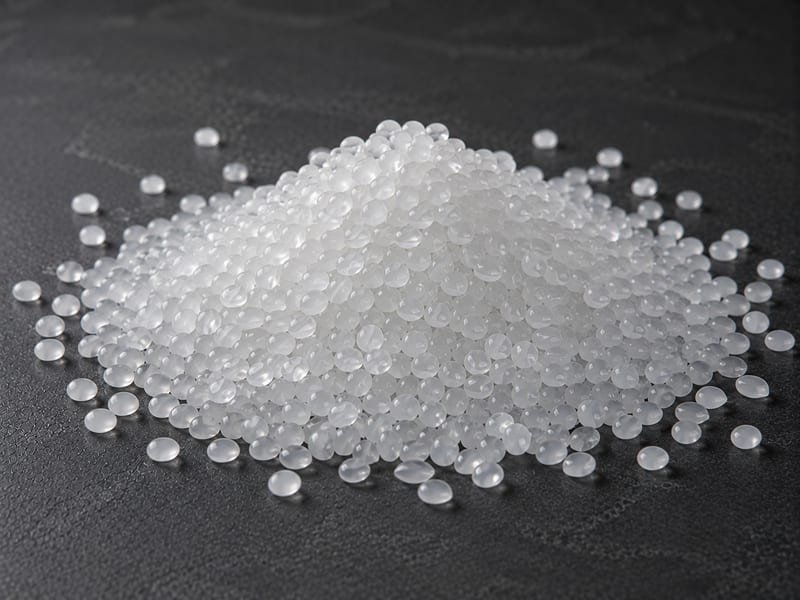
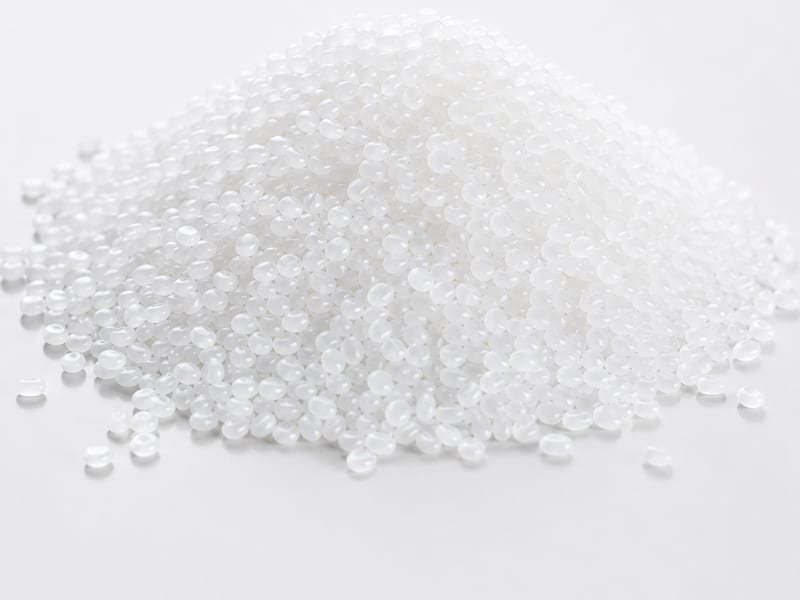
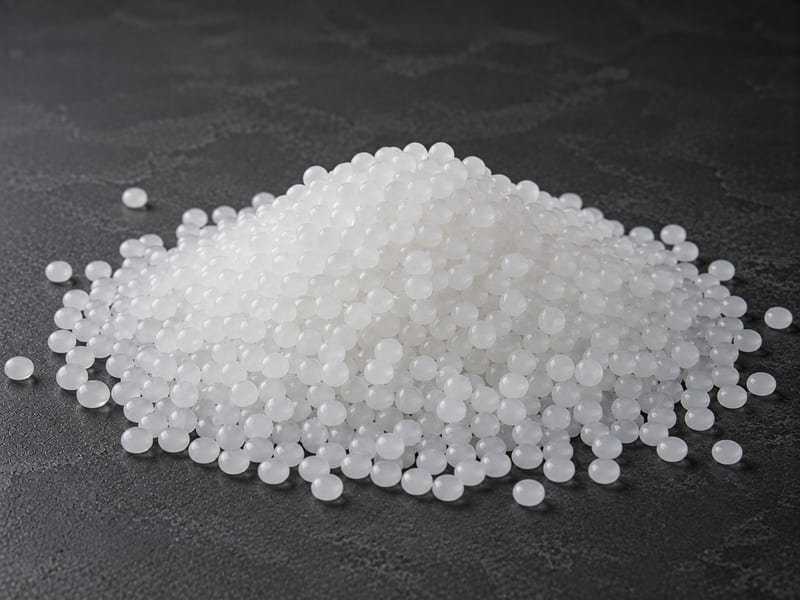
LyondellBasell lists LDPE, LLDPE and HDPE among blown-film materials with different density, melt-index and additive options. The following is an editorial screening matrix. It identifies questions to investigate, not a ranked list of interchangeable materials. The current producer TDS must explicitly support the intended process.
| Candidate | Question to investigate | Evidence before approval |
|---|---|---|
| LDPE-containing system | Does it provide the required processing behavior and film appearance? | Grade-specific film data and a trial on the intended line. |
| LLDPE-containing system | Does the film meet strength, puncture and sealing requirements at the target thickness? | Finished-film tests and a documented blend basis. |
| HDPE-containing system | Does the specified film meet stiffness, handling and appearance requirements? | An appropriate film-grade recommendation and conversion trial. |
| A blend or multilayer structure | What is each resin's role and what changes when its share is adjusted? | Recorded composition, layer design and whole-structure tests. |
Compare melt-flow results only when temperature, load and method match. Density and melt index help screen candidates but do not predict the complete film's behavior. Ask for the additive package, intended application, storage guidance and any relevant processing restrictions. A material page is a reference category; a commercial grade requires its own verified documentation.
Review masterbatch and filler separately
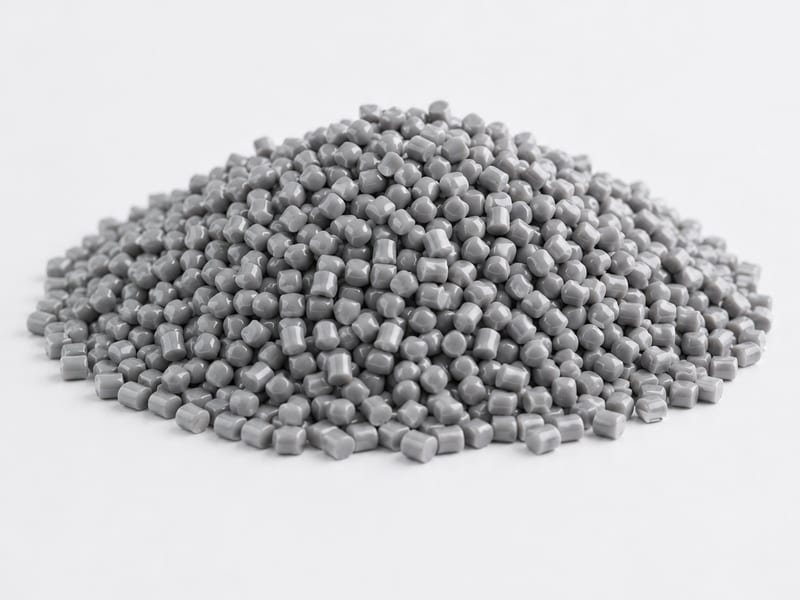
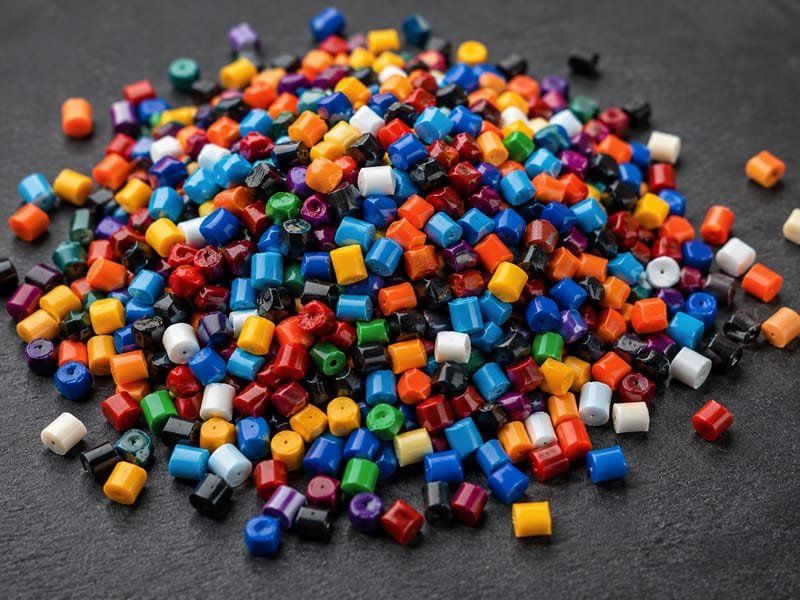
Color, slip, antiblock and filler masterbatch serve different purposes. Specify the carrier resin, active content, addition basis and any use restrictions. Record the complete additive package so that a change in resin does not quietly change the additive comparison as well. Do not assume equal masterbatch addition means equal active concentration.
If a mineral-filled system is proposed, verify dispersion, visible defects and all specified film tests. A lower compound price does not establish a lower cost for accepted packaging. Review the coated versus uncoated calcium carbonate guide when surface treatment is part of the decision. It does not prescribe a universal filler percentage.
Food-contact or other regulated packaging requires documents for the actual grades, additives and intended use in the destination market. A polymer family name, an SDS or a general marketing statement is not a finished-package approval.
Plan the line trial and acceptance record
- Agree the finished-film specification and control material before requesting candidates.
- Collect current TDS, SDS and application guidance; identify samples and keep a record of the resin blend and additives.
- Run a documented control, then compare candidates using a stated basis and equipment-approved conditions.
- Record line stability, output, thickness distribution, observable defects and scrap, alongside any settings changed.
- Test the finished film for the specified mechanical, optical, sealing and handling properties. Keep retained samples.
- Repeat the promising result and define incoming-material checks before commercial approval.
This is an evaluation plan, not a claim that PLAXRAW has tested a particular resin. If a candidate needs different operating settings, report both the material and process changes. Do not attribute the full result to resin chemistry alone. Agree who reviews the test results and what evidence would trigger rejection or a further trial.
Prepare a material enquiry
Include the product and layer structure, resin system, line description, target thickness, required tests and reason for changing material. Attach the current specification and identify the mandatory regulatory documents. State whether the enquiry concerns resin, an additive masterbatch or a complete formulation comparison.
Reference starting points: LDPE, LLDPE, HDPE and additive masterbatch. These links explain material categories, not confirmed stock or grade suitability. A quotation must identify the actual grade and document set separately.
Technical sources and scope
This reference guide does not establish stock availability, a commercial grade approval or finished-product certification. Content prepared: