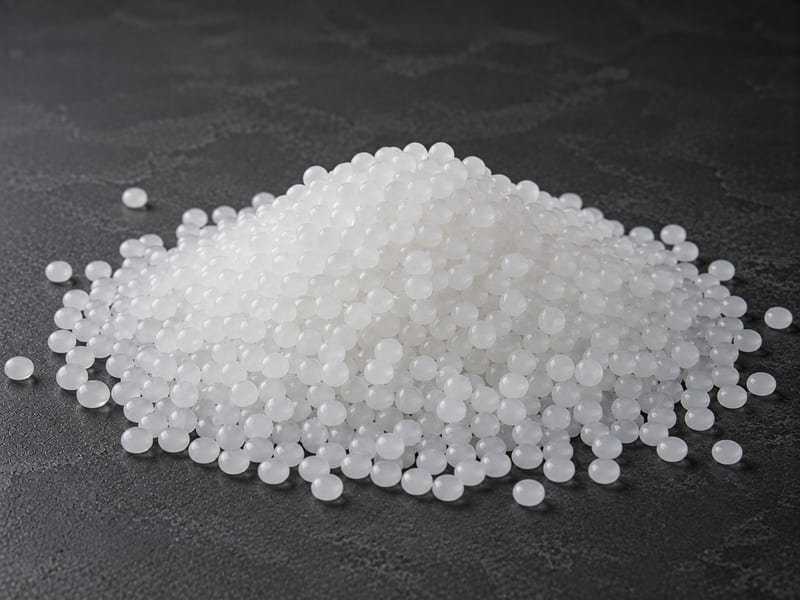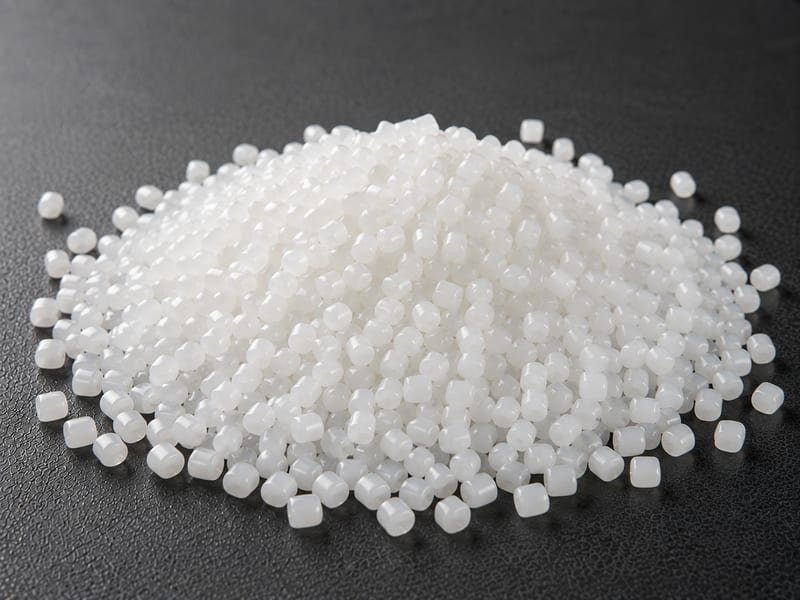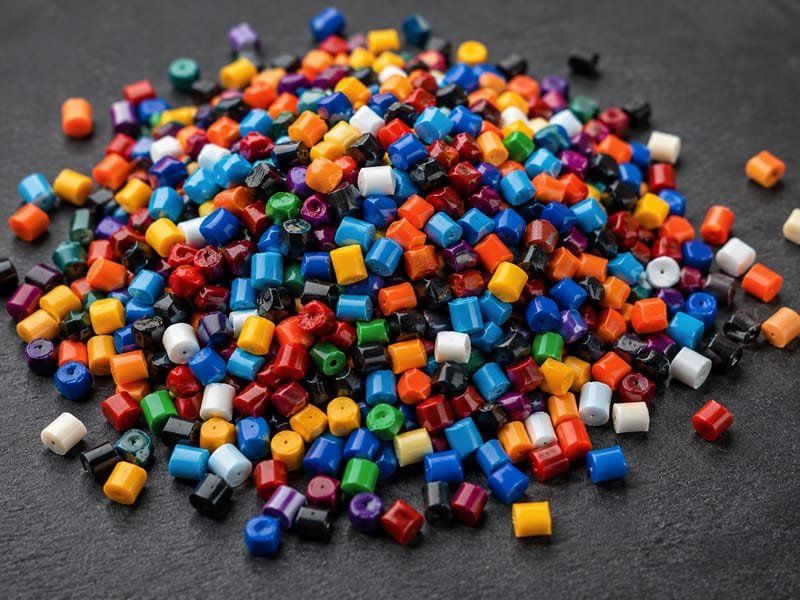
Extrusion blow molding forms hollow products from an extruded molten tube, or parison, captured in a mold and inflated. Material selection must connect the machine process to the container's actual service conditions. This guide covers extrusion blow molding; PET injection stretch blow molding is a different process and must not inherit the same resin recommendation.
Write the container specification
Identify the contents, nominal volume, geometry, target weight, closure and intended use. Record filling, transport and storage conditions, including any chemical exposure and temperature requirements. A detergent bottle, a food container and a technical hollow part may share a process while needing different qualification tests.
Define the mandatory dimensional, leak, drop, top-load or other performance tests required by the customer's specification. Identify how the closure and neck finish will be evaluated as an assembled system. Approval of an empty bottle alone does not establish compatibility with its contents or its cap.
Describe the machine type, mold, die, parison-control capability and current control resin. Separate a material-substitution project from a container redesign. If wall distribution, geometry and weight all change, record them as additional causes when interpreting trial results.
Screen a process-specific resin
LyondellBasell identifies HDPE as the principal volume material for extrusion blow molding, with PP, LLDPE and LDPE also used in some products. That process-level statement does not make every grade in these families suitable. Ask the producer for a current blow-molding grade recommendation for the intended part and service.
| Decision | Information to compare | Qualification question |
|---|---|---|
| Resin grade | Producer process recommendation and matched melt-flow data | Can the candidate be evaluated on the actual machine? |
| Parison behavior | Observed sag, stability and wall distribution during the trial | Does the process consistently form the specified container? |
| Container strength | Specified mechanical and stress-cracking tests where applicable | Does the filled or conditioned product meet its limits? |
| Contents and closure | Compatibility evidence, neck dimensions and assembled leak tests | Does the complete package meet its use specification? |
| Regulated application | Grade- and use-specific declarations | Are the required documents valid for the destination market? |
Melt-flow values need matching test conditions. A single flow number cannot replace a processing recommendation, nor certify environmental stress-crack resistance or chemical compatibility. Request the test method and sample preparation behind relevant property data. Do not substitute a supplier's typical resin value for a measured bottle result.
Keep additives and rework visible
Record color masterbatch, additives and any permitted rework or recycled input. Give each its own supplier and composition record. Changing a color concentrate, carrier or rework level alongside the resin creates a different comparison. Agree the actual formulation and traceability requirements before testing.
Where recycled material is proposed, determine whether the customer specification and applicable regulations permit the intended input and use. Assess consistency and contamination controls with the supplier. Neither a resin family name nor the ability to mold a sample demonstrates suitability for food contact, hazardous contents or a qualified container specification.
Use HDPE, PP and masterbatch references to clarify categories. Commercial availability, approved input ratios and grade specifications require separate confirmation.
Evaluate the mold trial and finished package
- Define acceptance limits, the control resin and the approved package design.
- Check current TDS, SDS and required use declarations for each candidate.
- Run the control and candidate with recorded machine-approved settings; identify every material lot.
- Record parison formation, wall distribution, container weight, dimensional consistency and defects.
- Test containers with the specified closure, contents or conditioning procedure as required by the qualification plan.
- Repeat promising results and define incoming-material and production checks before release.
Retain trial samples and the completed test record. If different settings are needed, report the combined process and material result. An initial successful mold run establishes that a sample could be formed under those conditions; it does not establish long-term performance, compatibility or production consistency.
The evaluation plan must identify who approves each requirement and how deviations are handled. Do not publish an implied certification from a reference guide or from a supplier statement whose test conditions do not match the product.
Send a complete enquiry
Provide the container drawing or description, intended contents, closure, volume, weight, machine and current resin. Include required tests, regulatory documents and the reason for considering a replacement. State whether the main issue is process stability, a specified performance shortfall or a sourcing requirement.
Ask for a process-specific candidate, sample identification and current technical documents before discussing acceptance. Compare commercial offers on the basis of accepted containers and documented requirements. This application guide establishes no supplier-specific grade, stock availability or guaranteed performance.
Technical sources and scope
This reference guide does not establish stock availability, a commercial grade approval or finished-product certification. Content prepared: