
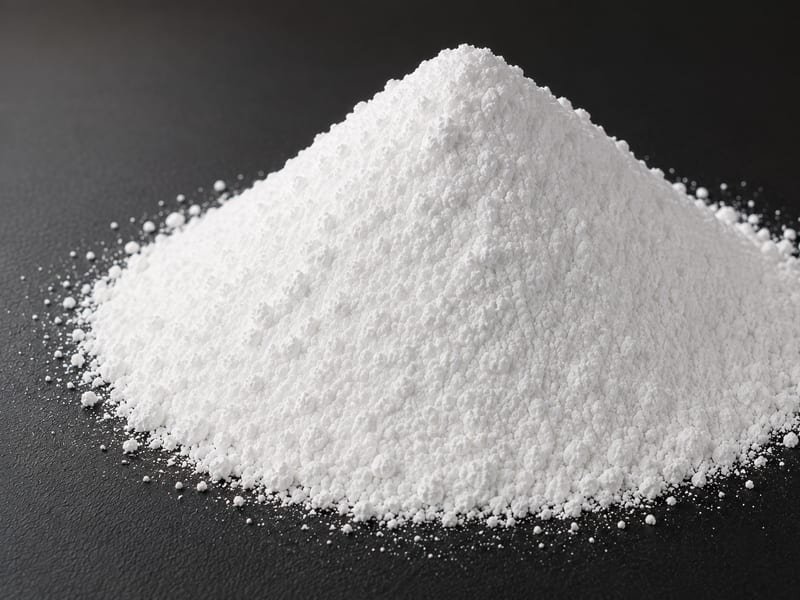
Polymer Raw Materials
PVC (Polyvinyl Chloride)
What PVC is used for across plastics processing, construction, and cable & wire — rigid vs. flexible grades — and what buyers need to know about additive regulations.
Overview
PVC is a resin used across several industries — plastics processing, construction, and cable & wire — in two distinct commercial forms. The breakdown below covers what it actually does in each.
What is it?
PVC is available commercially in two distinct forms, and the difference is a real grade-selection decision:
- Rigid PVC — classified under ASTM D1784, containing more than 80% vinyl chloride resin. It’s qualified by a cell-classification system based on impact resistance, tensile strength, modulus of elasticity, heat deflection temperature, and flammability — used mainly for pipe and fittings.
- Nonrigid (flexible) PVC — classified under ASTM D2287, with a resin portion of at least 90% vinyl chloride, plus plasticizers and other additives that give it its flexibility. It’s qualified by hardness (durometer), specific gravity, tensile strength, and brittleness temperature, among other properties.
Why should I use it?
- One resin, two very different commercial products depending on additive package — see the breakdown below for where each is used.
- A real additive consideration for flexible grades specifically — see Limitations.
How its role changes by industry
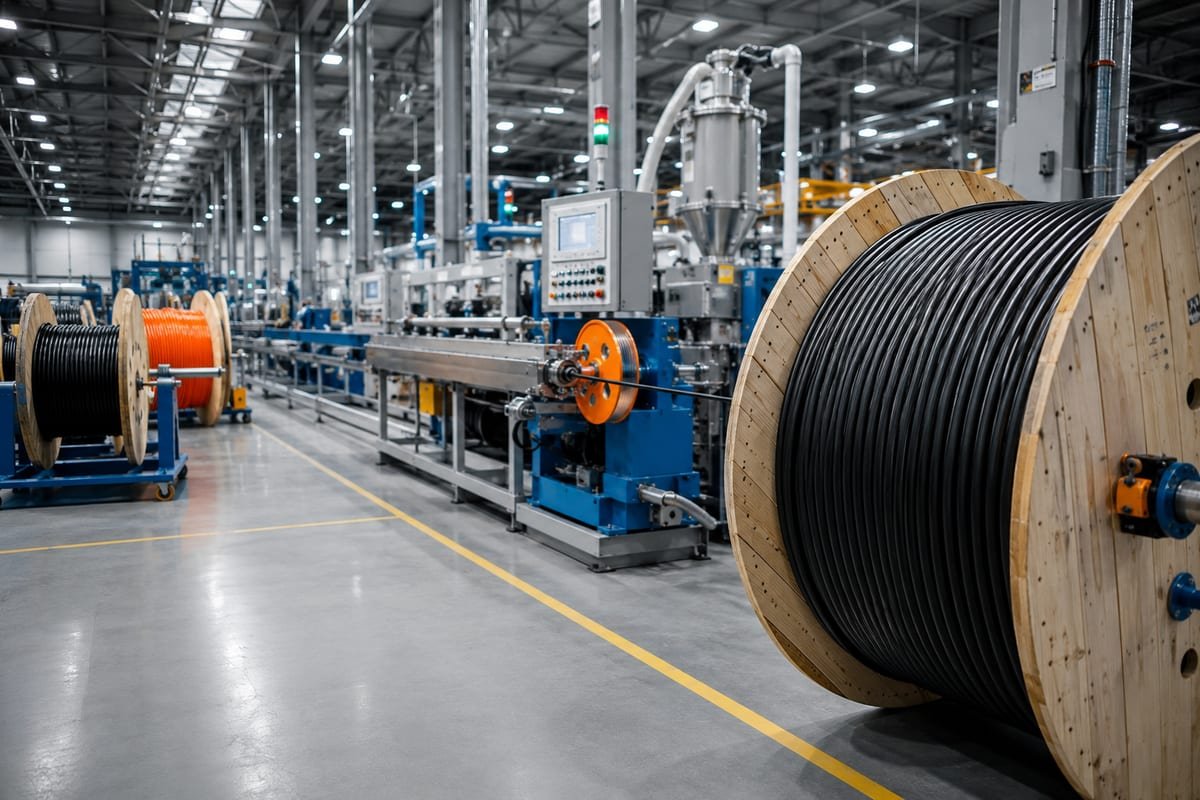
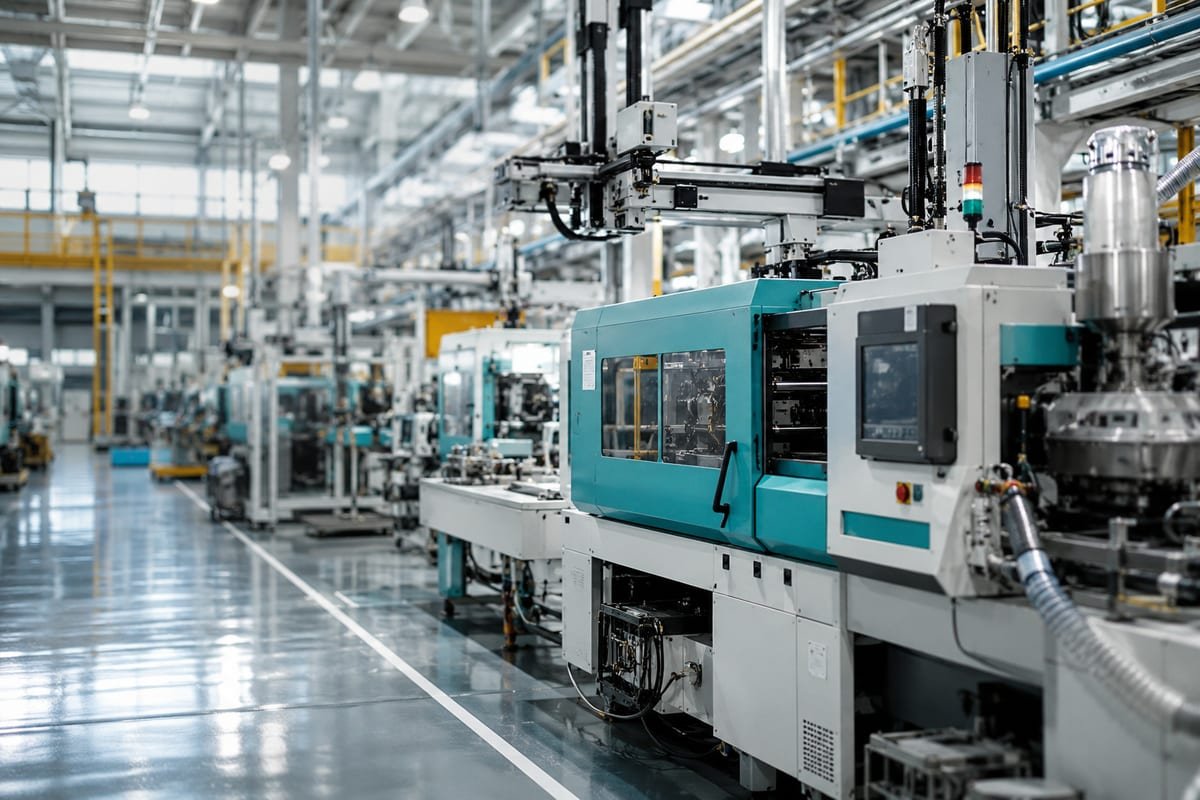
- Plastics & Polymers: the base resin for both rigid and flexible compounds, each qualified under its own ASTM classification (D1784 or D2287) depending on the additive package used.
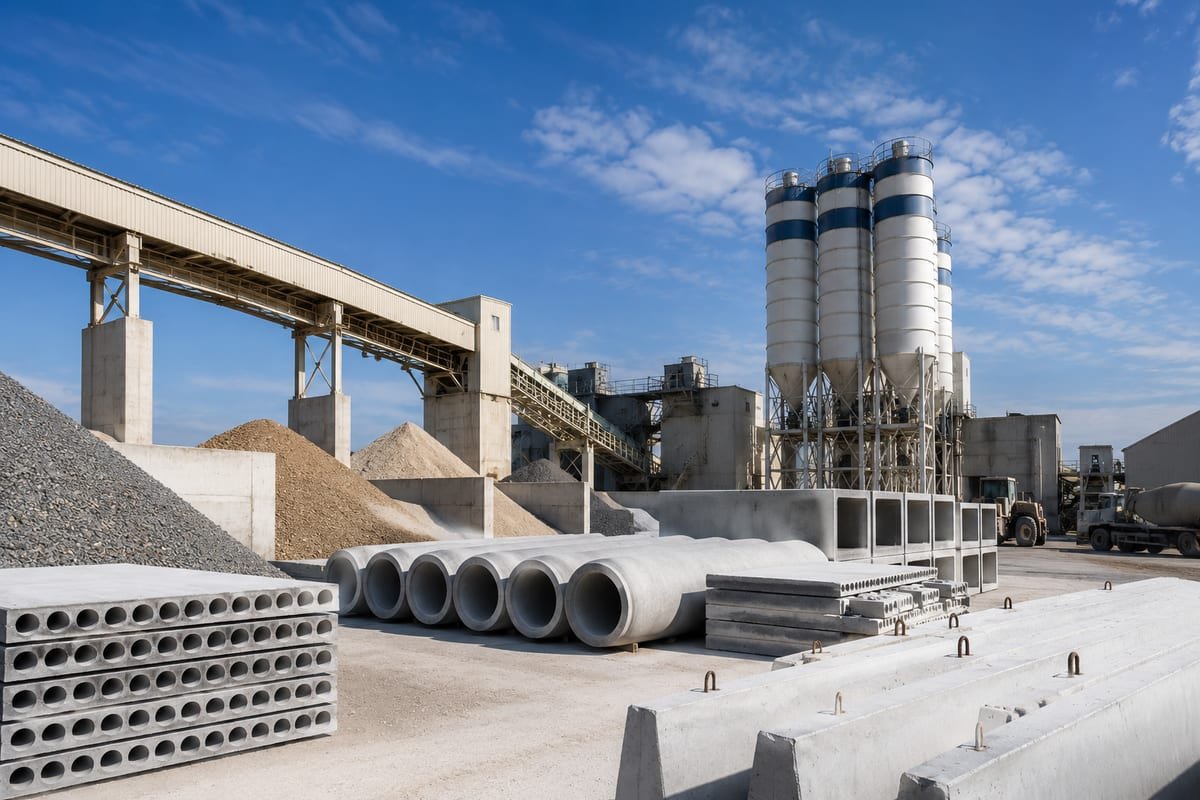
- Construction & Building Materials: rigid PVC is used for pipe and fittings, qualified under ASTM D1784’s cell-classification system.
- Cable & Wire: flexible PVC is used as cable insulation, qualified under ASTM D2287’s nonrigid compound classification.
Limitations — when it isn’t the right choice
- For flexible PVC in children’s products specifically, the plasticizer matters, not just the base resin. In the US, the Consumer Product Safety Commission prohibits more than 0.1% (1,000 ppm) of eight specified phthalates in any accessible plasticized component of children’s toys and child care articles. A flexible PVC grade being generally suitable for molding or extrusion doesn’t mean its plasticizer package meets that specific requirement — that has to be checked and met directly for that end use.
Key Applications
The material's role changes by industry — click any industry to see its full page.
Standards & Technical References
Every claim on this page traces back to a verifiable reference:
- Tier 1StandardASTM D1784-20 — Standard Classification System and Basis for Specification for Rigid Poly(Vinyl Chloride) (PVC) Compounds and Chlorinated Poly(Vinyl Chloride) (CPVC) Compounds
- Tier 1StandardASTM D2287-19 — Standard Classification System and Basis for Specification for Nonrigid Vinyl Chloride Polymer and Copolymer Molding and Extrusion Compounds
- Tier 1Government/RegulatoryUS CPSC — Prohibition of Children's Toys and Child Care Articles Containing Specified Phthalates (Federal Register, under CPSIA Section 108)
Related Materials


Materials with high-quality specifications
Reliable supply from China & Hong Kong, worldwide
Technical support choosing the right material
Fast response for factories