
Masterbatch
Masterbatch is a concentrate of pigments or additives in a carrier, used during polymer processing to introduce colour or a function. Begin with the resin and the required outcome, then review the proposed grade’s data and test it under the production conditions.
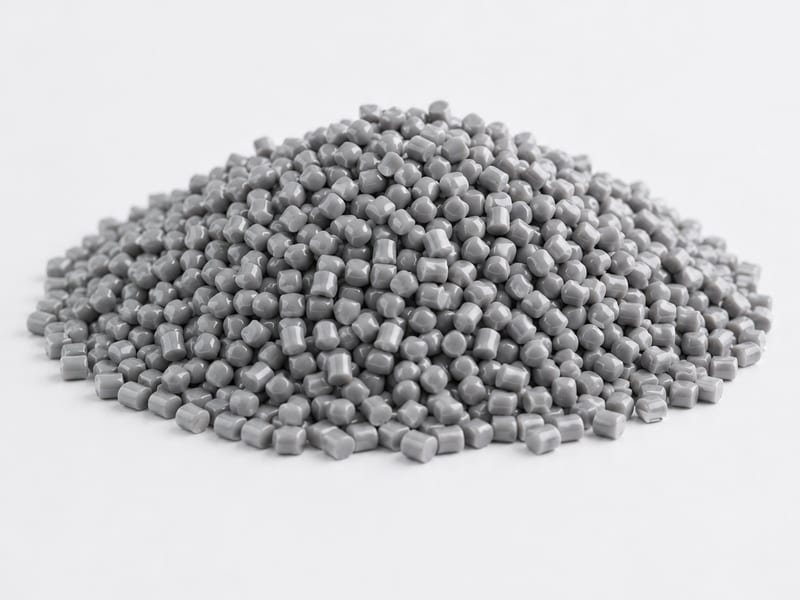
Additive Masterbatch (Slip/Anti-block)
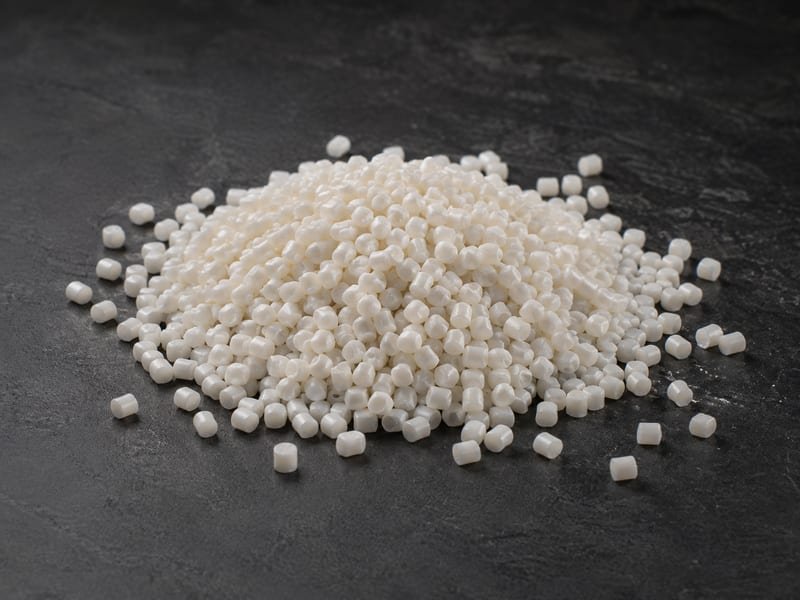
Bio Masterbatch
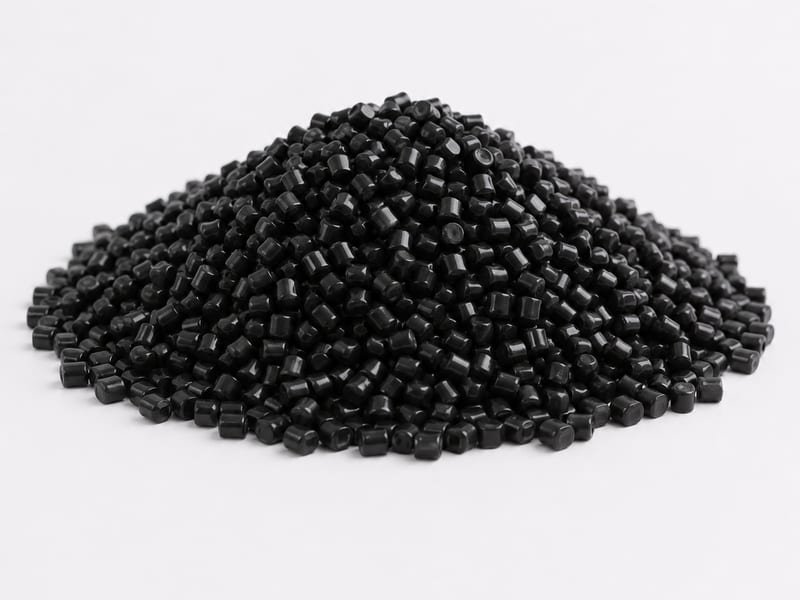
Black Masterbatch
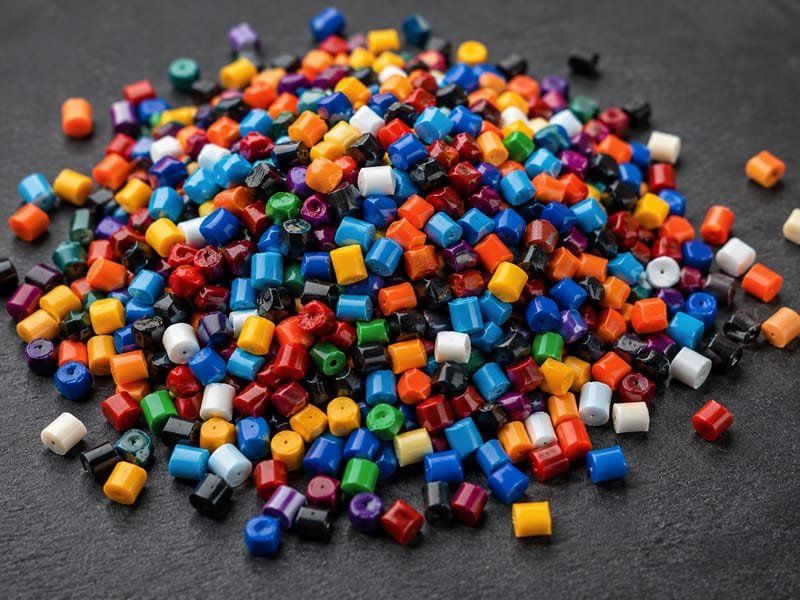
Color Masterbatch
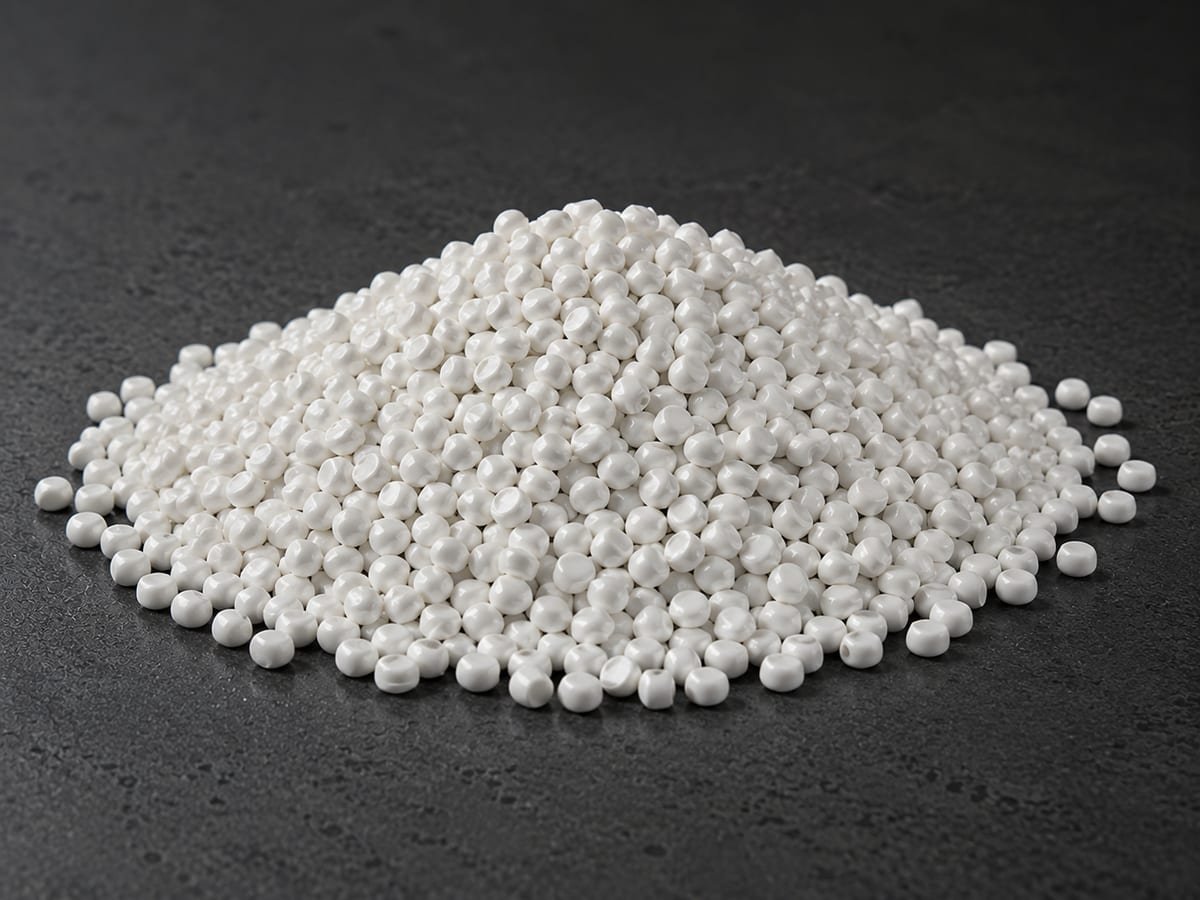
Filler Masterbatch
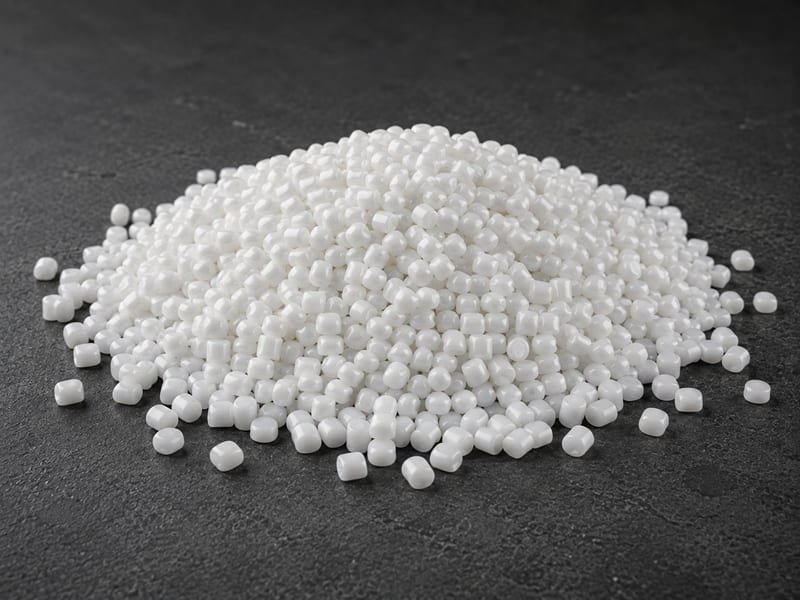
White Masterbatch
How do masterbatch types differ?
Colour, white and black types address a colour requirement; filler types address the filler’s role; additive types address a particular function such as slip or film-layer separation. Open the relevant type above to understand its role. A category name does not establish compatibility with every polymer.
How should you assess the carrier?
Identify the receiving polymer and processing method, then review the proposed carrier in the technical data sheet. The same colour description does not establish suitability for every resin or for both extrusion and injection moulding.
Slip or antiblock: which film problem do you have?
Slip concerns resistance to sliding over another surface; antiblock concerns separation of adjacent film layers. Ampacet’s guide below explains friction measurement, and its film guide shows grade-specific options. A film may need both functions, but the terms are not interchangeable.
What should you record before a trial?
Record the polymer, application, required colour or function, processing conditions and downstream operations. Request the grade’s data, trial instructions and applicable compliance documents. Use product-specific trial guidance rather than one dosage for every category.
Technical sources
Content updated: