“Meeting turbidity limits” isn’t one target — it’s several, stacked from a loose aesthetic ceiling down to a strict individual-filter benchmark, and a filter media bed sized for the loose end of that range won’t hit the tight end.
Root Causes
The WHO recommends drinking water turbidity below 1 NTU, with up to 5 NTU tolerated in certain cases where proper disinfection is applied — but most national regulations set stricter limits than that baseline recommendation: a maximum of 1 NTU generally, and often below 0.3 NTU after filtration specifically. The tightest documented benchmark sits below that again: for chlorine-resistant pathogen reduction where filtration is the primary treatment barrier, the target for turbidity of water leaving individual filters should be below 0.2 NTU and must not exceed 0.5 NTU at any time — a specific, filter-level performance requirement distinct from the plant-wide or tap-water aesthetic standard of up to 5 NTU. High turbidity matters beyond appearance because it’s documented as capable of masking pathogens and reducing the effectiveness of chlorine or UV disinfection, which is why the individual-filter target is held so much tighter than the consumer-tap aesthetic limit.
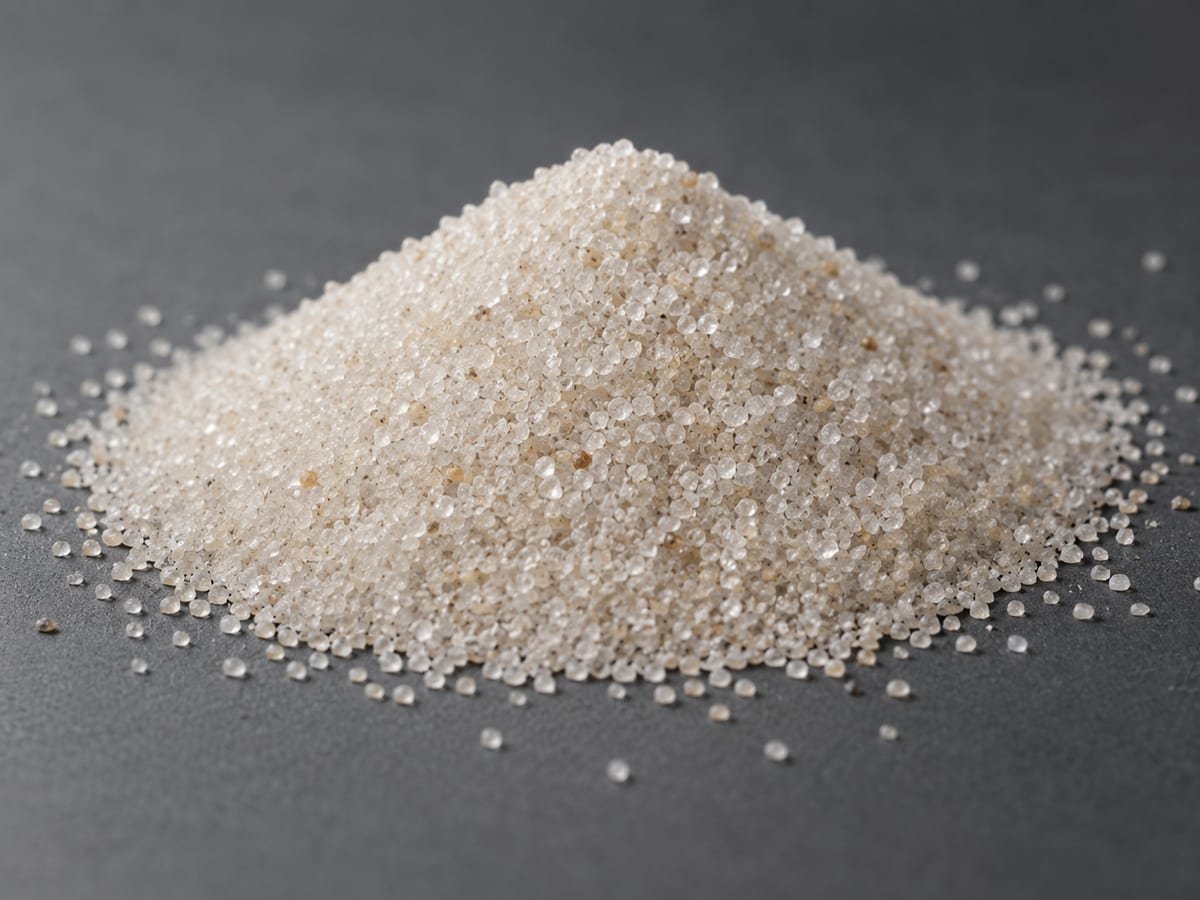
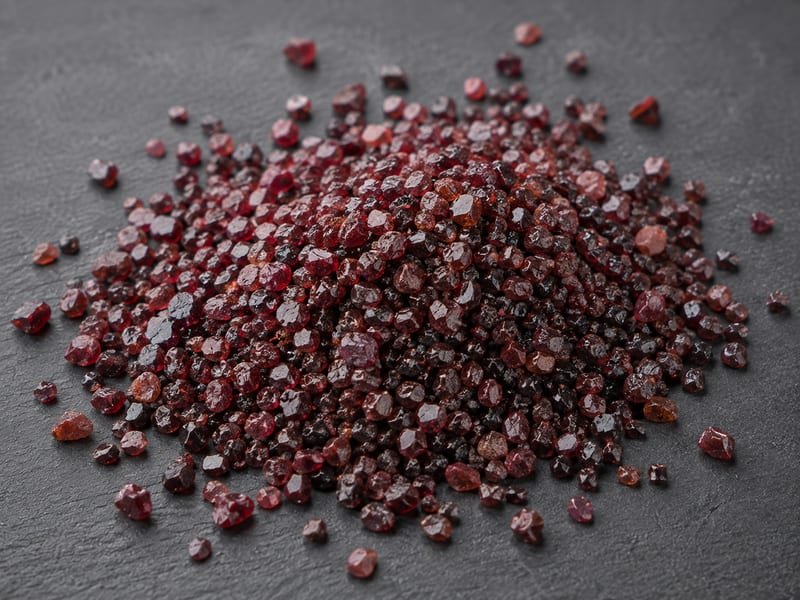
Silica sand and garnet are the media that actually have to deliver this performance: silica sand serves as the primary filtration media removing the bulk of turbidity and suspended solids, while garnet’s dense, fine-grained structure forms the bottom layer in multimedia beds specifically to capture the smallest particles that pass through sand alone. Hitting the sub-0.2 NTU individual-filter target, rather than just the looser plant-average or tap standard, depends on the media bed being sized and graded to that tightest benchmark, not the loosest one.
What This Means for Raw Material Selection
Because turbidity compliance is layered — a loose aesthetic ceiling, a stricter plant standard, and a tight individual-filter target — a media bed specified only against the easiest number in that stack risks technically passing plant-average compliance while individual filters run above the pathogen-reduction benchmark regulators and public health guidance actually care about.
The practical points for a buyer are: specify filter media grade (silica sand particle size distribution, garnet fineness) against the individual-filter turbidity target (below 0.2 NTU, not exceeding 0.5 NTU) rather than the looser aesthetic or plant-average standard, since that’s the benchmark tied to actual pathogen-reduction performance; verify that the multimedia bed design — sand plus garnet layering — is graded to catch the particle sizes that determine sub-0.3 NTU performance, not just bulk turbidity reduction; and treat turbidity monitoring at the individual filter level, not just at the plant outlet, as the relevant compliance checkpoint, since that’s where the tightest documented standard actually applies.
Sources: World Health Organization technical guidance (WHO-FWC-WSH review of turbidity for regulators) on turbidity thresholds and their relationship to pathogen reduction and disinfection effectiveness; NHMRC Australian Drinking Water Guidelines technical reference on turbidity standards; industry technical guides (Frizzlife, Complete Water Store, KETOS) on turbidity levels, NTU standards, and filtration compliance across jurisdictions.