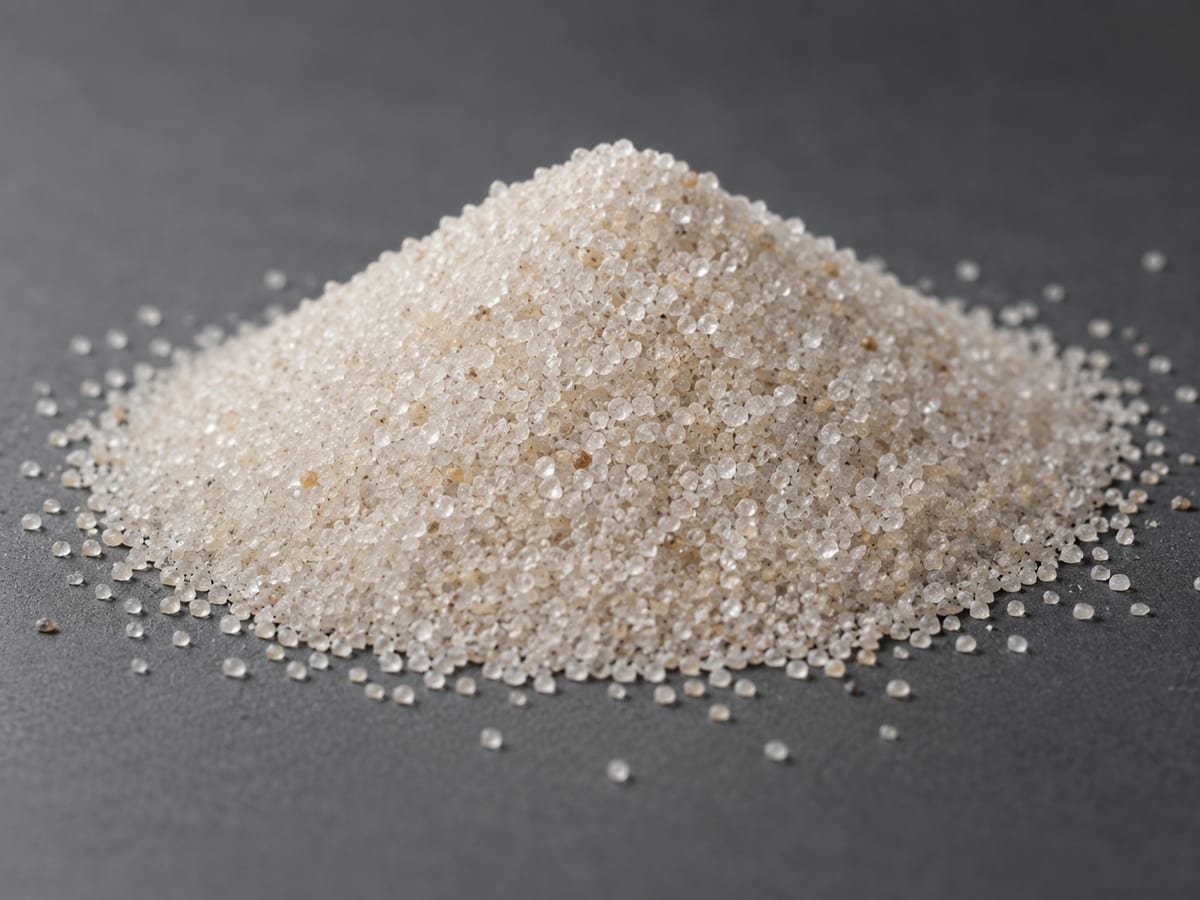
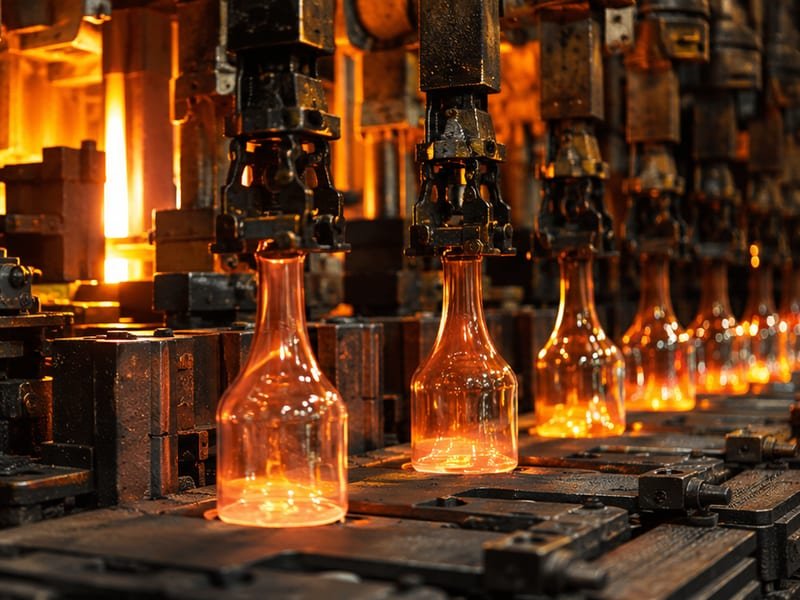
“Silica sand” covers products with very different specifications. A sand suitable for glass is judged on chemistry, a filtration sand on grain-size grading and uniformity, and a foundry or proppant sand on shape and strength. This checklist is written for glass, construction and water-treatment buyers in Saudi Arabia and the wider GCC who want to compare suppliers on facts before asking for a price.
This is a buyer’s reference, not a PLAXRAW product specification. The material is described on the silica sand reference page. PLAXRAW does not publish prices or stock on this page; to discuss a requirement use the quotation request form, and any grade, availability and price are confirmed in writing for your enquiry.
Step 1: Fix the application before the grade
- Glass: chemical composition, especially iron, and cleanliness decide colour and defects; see low glass transparency and black specks.
- Filtration and water treatment: grain-size grading and uniformity decide clogging and performance; see filter media grade.
- Concrete and construction: grading to a standard such as ASTM C33; see fine aggregate grading.
State the use first. A supplier cannot recommend a grade from a price target, and quotes for different uses are not comparable.
Step 2: Specify the product, not just the name
| Item | What to ask for | Why it matters |
|---|---|---|
| Intended use | Glass, filtration, concrete, foundry or other, with the supplier product name | Specifications differ completely by use. |
| Chemical composition | SiO2, Fe2O3 and other oxides with the method (for example ASTM C146 for glass sand) | Iron and other oxides affect glass colour and clarity. |
| Grain-size distribution | Sieve analysis with the method, and the standard graded to | Controls filtration behaviour, batch melting and concrete grading. |
| Moisture | Moisture content and how it is measured | Affects handling, weighing and batch consistency. |
| Cleanliness and shape | Contamination information; for proppant or foundry use, shape and crush-resistance data | Contamination appears as defects; strength matters for proppant. |
| Safety documents | SDS including respirable crystalline silica handling guidance | Silica dust is regulated at work; ask for the supplier guidance. |
Step 3: Ask for the documents that prove it
Request the current technical data sheet (TDS) and safety data sheet (SDS) for the exact product and a certificate of analysis (COA) per shipment where issued. Ask for a recent sieve analysis and, for glass, recent iron results from the commercial production route, and test a sample in your own batch or filter. Check the applicable occupational dust requirements for storage and handling with your safety adviser.
Step 4: Fix the commercial terms
-
Packaging: bulk, big bags or 25 kg and 50 kg bags, and moisture protection.
-
Quantity and timing: trial quantity, regular volume and delivery window; bulk sand has significant freight weight, so state the delivery place early.
-
Delivery term: state the Incoterms 2020 term you want quoted so offers are comparable.
-
Import requirements: confirm with your customs broker which conformity and customs documents apply to your product in Saudi Arabia or the destination country before shipment.
Compare offers by landed cost per usable unit, including freight and trial cost, not by the ex-works figure alone.
Enquiry template
- Use (glass, filtration, concrete, foundry or other) and the standard or specification to meet.
- Chemical limits (for example iron) and grain-size range.
- Moisture and packaging needs.
- Required documents (TDS, SDS, COA).
- Trial quantity and regular volume.
- Packaging, delivery place and Incoterms term.
Send it through the PLAXRAW quotation form. PLAXRAW reviews it and replies with the relevant questions or options; it does not promise stock, specifications or lead times before the details are confirmed.
Related reading
- ASTM C33 Fine Aggregate Grading: Checks for Concrete Sand
- Filter Media Grade Consistency and Clogging in Water Treatment
- Black Specks and Contamination
- Low Glass Transparency
Sources and editorial scope
Prepared by the PLAXRAW editorial team on 15 October 2026. This is editorial buying guidance, not PLAXRAW laboratory data, and it contains no price, stock or lead-time commitment. Standards are named so you can ask a supplier which method applies; consult the current edition of each standard for its scope.
- ASTM C146 — Standard Test Methods for Chemical Analysis of Glass Sand.
- ASTM C33/C33M — Standard Specification for Concrete Aggregates.
- ANSI/AWWA B100 — Granular Filter Material.
- API RP 19C / ISO 13503-2 — Measurement of Properties of Proppants.
- US OSHA 29 CFR 1910.1053 and 1926.1153 — Respirable Crystalline Silica; US CDC/NIOSH — Safe Work Practices: Silica.
- USGS — Mineral Commodity Summaries 2025, Sand and Gravel (Industrial).
- ICC — Incoterms 2020.
Content updated: