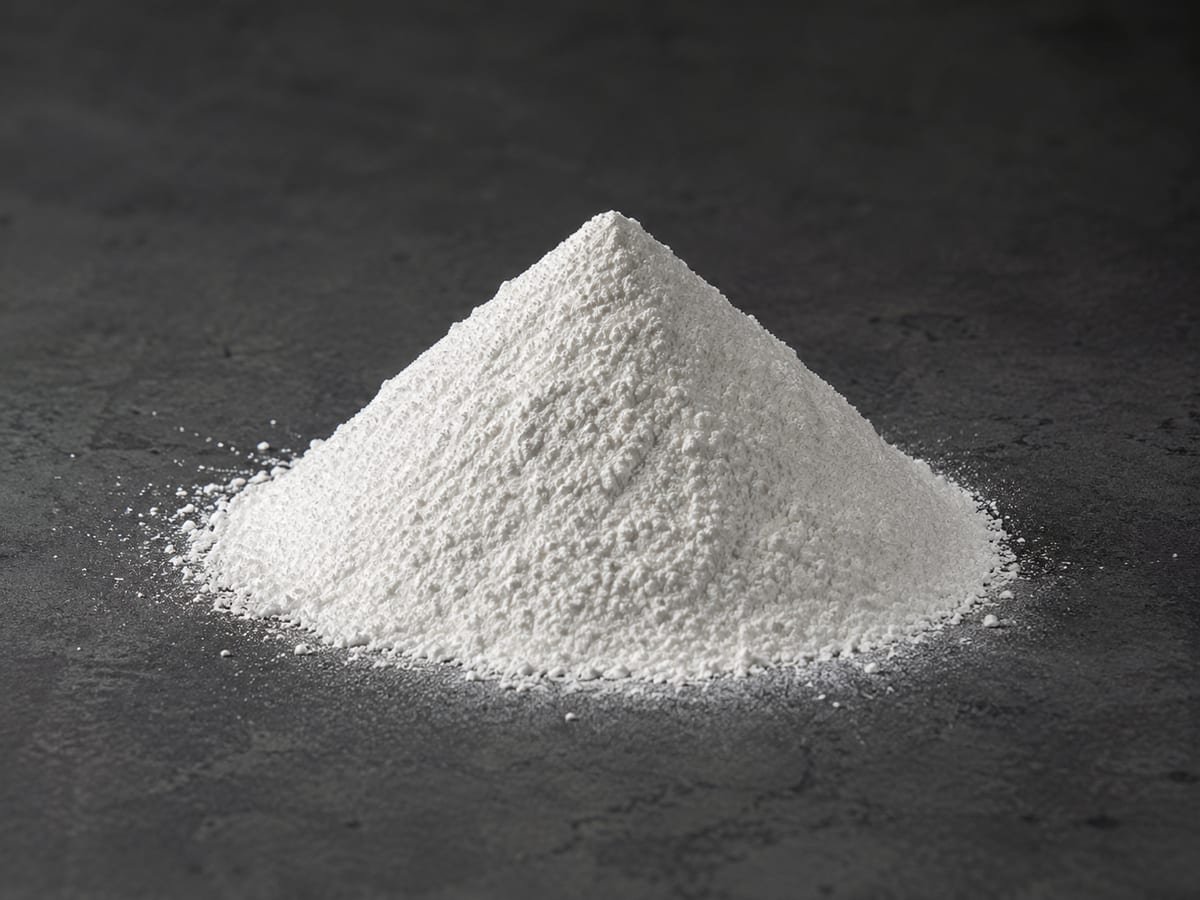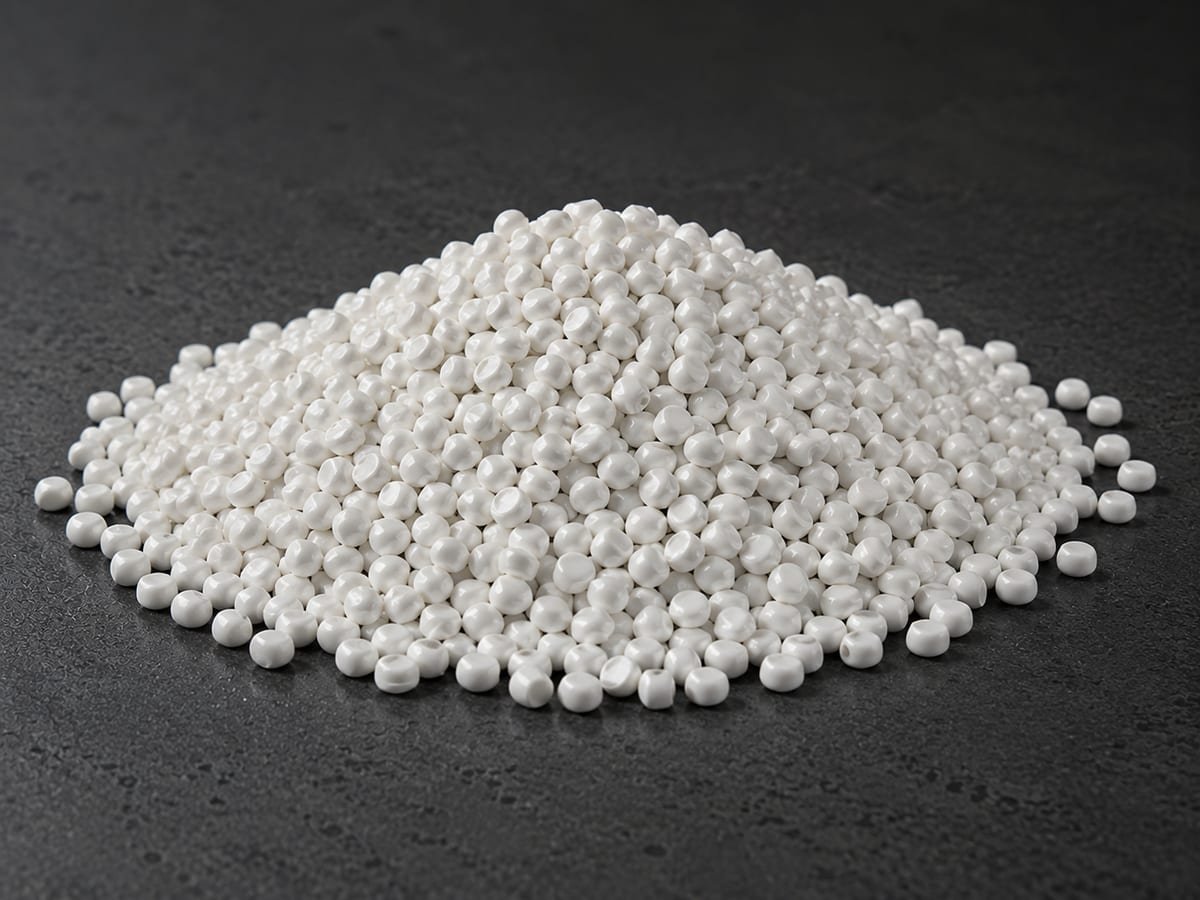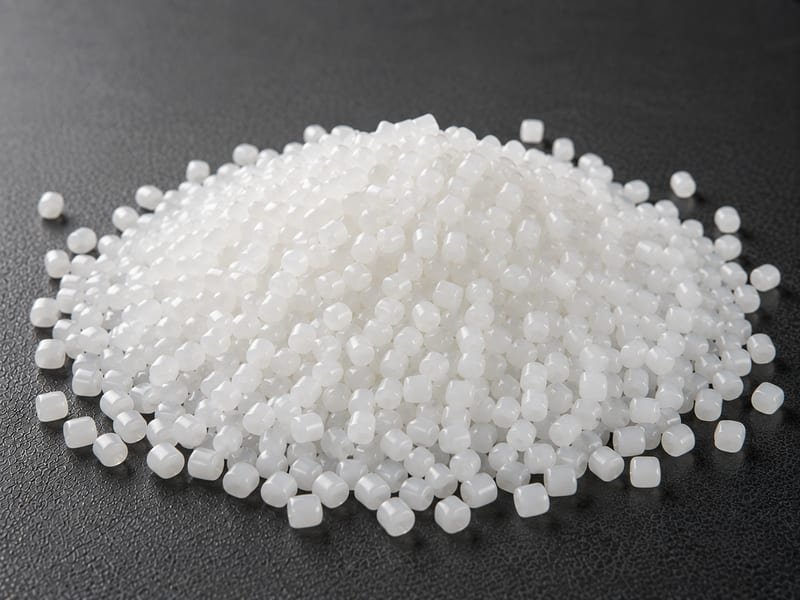

Buying calcium carbonate is rarely a single-line purchase. The same name covers ground powders (GCC), precipitated powders (PCC), coated and uncoated products, and fine or coarse particle ranges, and two products sold under that name can behave very differently in a film, a pipe compound, a paint or a construction mix. This checklist is written for importers and factory buyers in Saudi Arabia and the wider GCC who want to compare suppliers on facts before they ask for a price.
It is a buyer’s reference, not a PLAXRAW product specification. For the material itself, see the calcium carbonate reference page. To discuss a requirement with PLAXRAW, use the quotation request form. PLAXRAW does not publish prices on this page, and any grade, availability or delivery term is confirmed in writing for the specific enquiry.
Step 1: Fix the application before the grade
Write down the end use first, because it decides which of the other variables matter.
- Plastics and masterbatch: polymer (PE, PP, PVC), process (film, pipe, injection) and whether you buy powder or a filler masterbatch.
- Paints and coatings: binder system, finish (matt or gloss) and the role of the filler as an extender.
- Construction and other uses: the standard or customer specification the product must meet.
If you only have a price target and no application, a supplier cannot recommend a grade. Quotes given on that basis are not comparable.
Step 2: Specify the product, not just the name
| Item | What to ask for | Why it matters |
|---|---|---|
| Type | GCC (ground) or PCC (precipitated) | Different production routes give different particle shape and size distribution. |
| Particle size | Median (D50) and an upper-size figure such as D97, with the test method (for example laser diffraction, ISO 13320) | The same D50 can hide very different coarse fractions. |
| Surface treatment | Coated or uncoated; the treatment type declared by the supplier | Treatment affects dispersion in polymers. “Coated” alone is not a specification. |
| Purity and whiteness | Calcium carbonate content, relevant impurities, brightness method | Colour and contamination differences are easy to mistake for processing problems. |
| Moisture | Moisture figure and how it is measured | Moisture affects processing in polymer compounds and storage behaviour. |
| Regulatory fit | SDS and any declaration your market or customer requires | Food-contact, feed or pharma use needs documents for that use; industrial grades do not cover it. |
Step 3: Ask for the documents that prove it
Request the current technical data sheet (TDS) and safety data sheet (SDS) for the exact grade, and ask whether a certificate of analysis (COA) is issued per shipment. A data sheet describes a product range; a COA reports the shipment. Ask which quality management certificate the producer holds (for example ISO 9001) and request a copy, rather than relying on a statement.
For polymer or coating use, ask for a sample from the same production route as the commercial supply and run it against your control material. A sample sent from a different line proves little about the shipment.
Step 4: Fix the commercial terms
- Packaging: bag size, pallets, bulk or jumbo bags, and moisture protection.
- Delivery terms: state the Incoterms 2020 term you want quoted (for example EXW, FOB or CIF with a named port), so offers can be compared on the same basis.
- Quantity and lead time: the first-order quantity, repeat quantity and the delivery window you need.
- Import requirements: confirm with your customs broker which conformity and customs documents apply to your product in Saudi Arabia or the destination country before shipment.
Compare offers by landed cost per usable tonne, including freight and any trial or scrap cost, not by the ex-works figure alone.
Step 5: Write an enquiry a supplier can answer
A complete first enquiry lets the supplier reply with a grade instead of questions. Include:
- Application and polymer or system, and the process.
- Type required (GCC or PCC) or “open to recommendation”.
- Target particle size (D50 and D97 if known) and treatment requirement.
- Required documents (TDS, SDS, COA, any regulatory declaration).
- Quantity for the trial and for regular supply.
- Packaging and delivery place, and the Incoterms term.
Send this through the PLAXRAW quotation form. PLAXRAW reviews the request and replies with the questions or options relevant to it; availability, grade and price are confirmed in writing for your case.
Related reading
- Coated vs uncoated calcium carbonate for polymers
- Calcium carbonate and talc filler dispersion in plastics
- How to source filler masterbatch
Sources and editorial scope
Prepared by the PLAXRAW editorial team on 14 October 2026. The checklist is editorial buying guidance; it contains no PLAXRAW laboratory results and no price, stock or lead-time commitment.
- IMA-Europe — mineral factsheets, calcium carbonate production and applications.
- Omya — polymer packaging and application-specific mineral products.
- ICC — Incoterms 2020 rules.
- ISO 13320 (particle size analysis by laser diffraction) and ISO 9001 (quality management systems) are named so that you can ask a supplier which method or certificate applies; consult the current standards for their scope.
Content updated: