
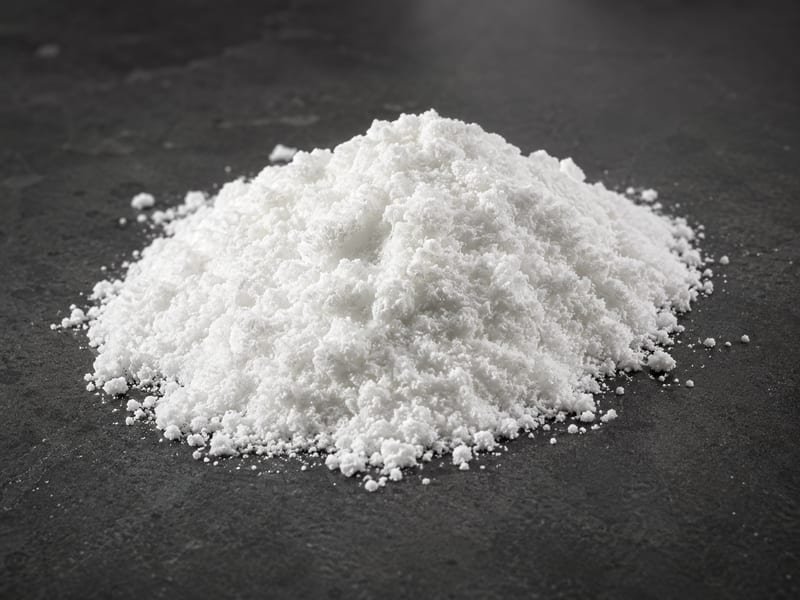
Urea Formaldehyde Resin and Moulding Compounds
Understand urea-formaldehyde moulding compounds, thermosetting behaviour and the scope of ASTM D705. Identify the documents needed for a material requirement.
Overview
Urea-formaldehyde moulding compounds are thermosetting materials used in compression moulding. ASTM D705 covers this category and distinguishes compounds by filler type. A requirement for a moulding compound should be separated from a request for a UF binder or adhesive: the intended process and the properties to verify are different.
Is urea formaldehyde a thermosetting plastic?
For the compression-moulding compounds covered by ASTM D705, yes: the specification identifies them as thermosetting compounds. This answer describes the category; it does not qualify a particular supplier product.
Moulding compound vs. UF binder: what should you specify?
“Urea formaldehyde resin” is not a complete purchasing specification. State whether the material will be used as a moulding compound, binder or adhesive, and identify the manufacturing process. The D705 scope should not be treated as a specification for every product described as UF resin.
What does ASTM D705 cover?
The official summary describes two types of compression-moulding compounds, distinguished by their cellulose filler. It lists physical and electrical properties to examine. Use the applicable standard and the proposed grade’s documents for the actual acceptance requirements, rather than assuming that an overview establishes compliance.
What should you request before choosing a compound?
- Intended application and processing method.
- Filler type and the supplier’s technical data sheet.
- Required mechanical, electrical and water-absorption test information.
- Safety data and the emission or regulatory requirements relevant to the application and destination market.
How should water-resistance evidence be interpreted?
A study on one low-emission UF resin formulation does not establish the performance of all moulding compounds. Compare water resistance and emission information for the actual proposed grade; do not infer a universal trade-off from a different formulation or processing method.
For related categories, see industrial resins. To discuss a specific material requirement, provide the process and required properties. This page is reference guidance, not a batch certificate or a confirmed stock listing.
Content updated:
Key Applications
The material's role changes by industry — click any industry to see its full page.

Standards & Technical References
Every claim on this page traces back to a verifiable reference:
- Tier 1StandardASTM D705-99(2020) — Standard Specification for Urea-Formaldehyde Molding Compounds
- Tier 2University/ResearchCharacterization of the Low Molar Ratio Urea–Formaldehyde Resin with 13C NMR and ESI–MS: Negative Effects of the Post-Added Urea on the Urea–Formaldehyde Polymers, Polymers (MDPI), 2018
Frequently Asked Questions
Are UF moulding compounds thermosetting?
Yes, for the compression-moulding compounds covered by ASTM D705. This does not qualify a specific commercial grade.
Does D705 cover every UF resin?
No. Its scope concerns compression-moulding compounds, not a general specification for every UF binder or adhesive.


