
Melamine Resin: Properties, Uses and Molding Compounds
What is melamine resin? Understand melamine-formaldehyde resin, its uses, and the difference between a binder resin and a formulated molding compound.
Overview
Melamine resin commonly refers to melamine-formaldehyde (MF) resin, a thermosetting resin formed from melamine and formaldehyde. It is used in formulated systems including laminates, coatings and moulding compounds. A melamine resin and a finished melamine moulding compound are related materials, but they are not interchangeable product descriptions.
Binder resin or moulding compound?
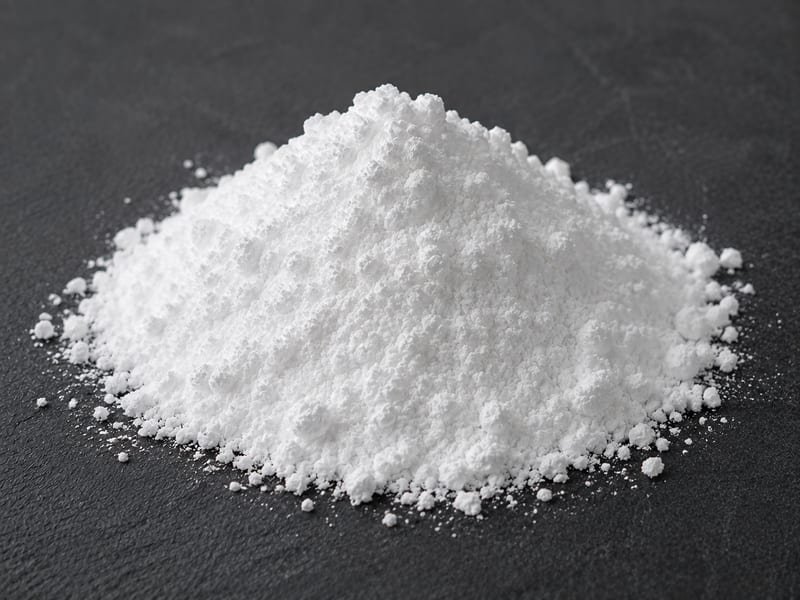
A binder or crosslinking resin is selected as part of a formulation and process. A moulding compound combines the resin with other ingredients, such as fillers and processing additives, for a defined moulding use. Check the supplied form and full specification: a powder description alone does not establish whether it is a resin or a ready-to-mould compound.
Which properties matter for the application?
Review the cured system’s surface, mechanical and chemical-resistance requirements together with its processing behaviour. Moisture, flow, cure response and appearance must be assessed for the proposed product. Properties from a filled moulding compound cannot be transferred directly to an unformulated binder resin.
What does ASTM D704 cover?
ASTM D704 covers melamine-formaldehyde moulding compounds. It is not a general qualification standard for every MF binder, coating resin or foam. Match the standard to the product type and request grade-specific evidence; the public standard scope does not certify a listed material.
Are all melamine products compression-moulding materials?
No. BASF’s Basotect is an example of a melamine-resin foam used for applications such as sound absorption. It demonstrates the breadth of resin-derived products, not availability through PLAXRAW. For related resin selection, compare urea-formaldehyde resin against the same application requirements.
What should you check before selecting a grade?
State whether you need a binder, a coating component or a moulding compound, then specify the process and finished-part requirements. Request the TDS, SDS and relevant compliance or emissions evidence. Do not treat a decomposition temperature from one research specimen as a universal processing limit or safety guarantee. Follow product-specific processing and handling guidance, and validate the finished system.
Sources and scope
Manufacturer products and research results cited here are reference examples, not specifications or certifications for a PLAXRAW grade.
Content updated:
Key Applications
The material's role changes by industry — click any industry to see its full page.

Standards & Technical References
Every claim on this page traces back to a verifiable reference:
- [Primary source] ASTM D704: public scope for moulding compounds — https://store.astm.org/d0704-99r20.html
- [Primary source] BASF Basotect: melamine-resin foam — https://plastics-rubber.basf.com/global/en/performance_polymers/products/basotect
- Tier 1StandardASTM D704-99(2020) — Standard Specification for Melamine-Formaldehyde Molding Compounds
- Tier 2University/ResearchSynthesis and Thermal Degradation Studies of Melamine Formaldehyde Resins, The Scientific World Journal, 2014, DOI 10.1155/2014/940502
Frequently Asked Questions
What is melamine resin?
The term commonly means melamine-formaldehyde resin, a thermosetting resin used in several formulated industrial systems.
Is melamine resin the same as a moulding compound?
No. A moulding compound combines the resin with additional ingredients for a specified moulding application.
Does ASTM D704 cover every melamine resin?
No. Its scope concerns melamine-formaldehyde moulding compounds.


