
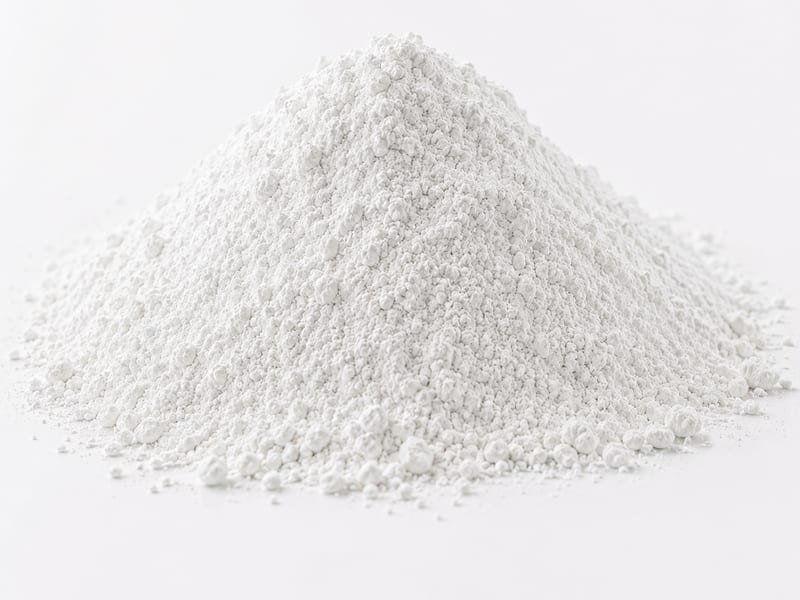
Gypsum
How gypsum board types are classified under ASTM C1396, and what fire-exposure research shows about the dehydration mechanism behind its fire resistance.
Overview
Gypsum board is classified into multiple types under a single specification, and its fire resistance comes from a specific, well-studied chemical mechanism. This page covers that classification and what fire-exposure research shows about how that mechanism actually works.
What is it?
Gypsum is classified under ASTM C1396 across multiple board types: wallboard, predecorated board, backing board, water-resistant backing board, exterior soffit board, sheathing board, veneer base, lath, and ceiling board.
Why should I use it?
- A single specification classifies it across many building-board types — see “What is it?” above.
- Its fire-resistance mechanism has been directly measured and modeled, not just assumed — see Limitations for what that mechanism depends on.
How it’s used
In Construction & Building Materials, Gypsum is used across the board types classified under ASTM C1396.
Limitations — when it isn’t the right choice
- Fire-resistance duration depends on the specific board’s thickness and density — it isn’t a fixed property of “gypsum” in general. A 2007 peer-reviewed study exposed a 12 mm thick gypsum board (810 kg/m³ density) to the ISO 834 standard fire and measured a temperature plateau at around 100°C on the unexposed face. This plateau comes from an endothermic dehydration reaction between 150°C and 200°C that consumes heat as it releases chemically bound water — the main heat barrier mechanism, one that standard heat-conduction models fail to reproduce unless dehydration is explicitly accounted for. This was documented for one specific board thickness and density; it should not be assumed that every commercial gypsum board provides the same fire-resistance duration without checking its own rating.
Key Applications
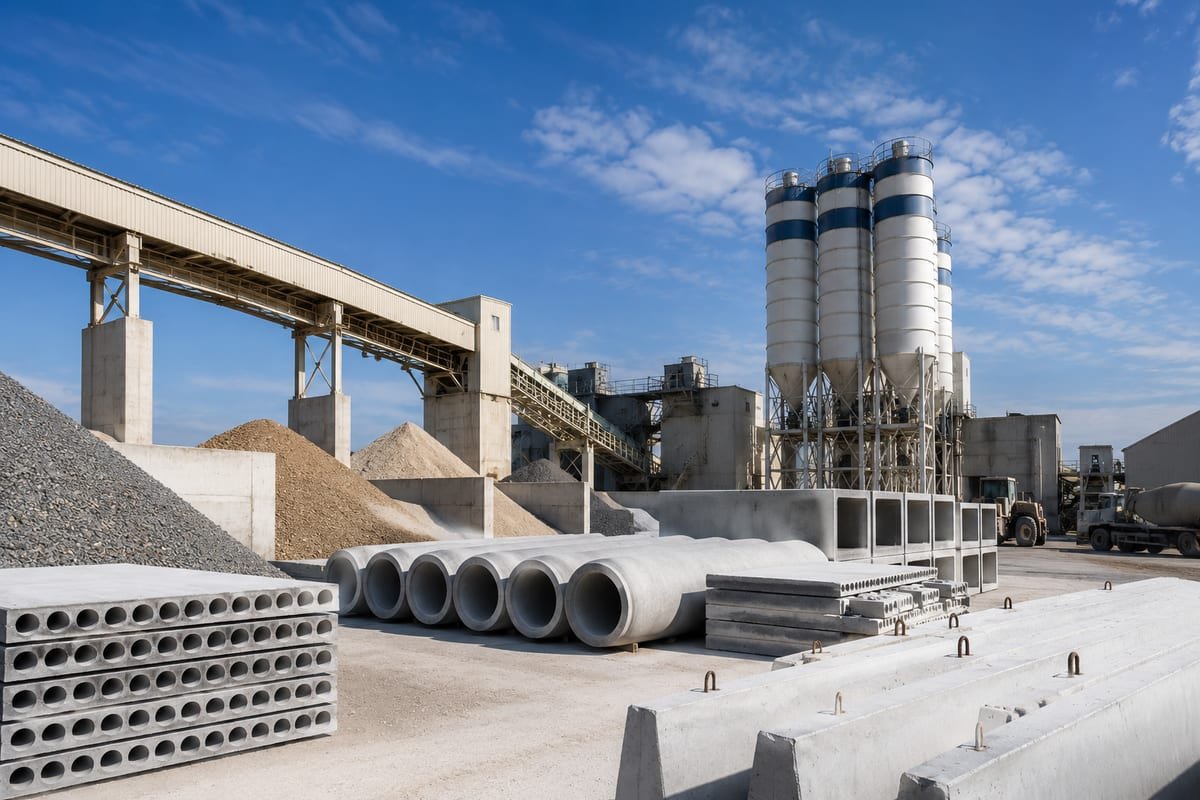
The material's role changes by industry — click any industry to see its full page.
Physical Properties
| Property | Typical Value | Note |
|---|---|---|
| Chemical Formula | CaSO₄·2H₂O | Definitional |
| Specific Gravity | ≈ 2.31 | Typical published value — byjus.com |
| Calcination Temperature (to hemihydrate plaster) | ≈ 150-170°C | Typical published value — byjus.com |
| Dehydration Onset | ≈ 80°C; anhydrite (dead-burned) forms above 250°C | Typical published value — byjus.com |
| Purity (wallboard/plaster-grade minimum) | > 85% CaSO₄·2H₂O; producers prefer ≥ 94-95% | Typical published value — ScienceDirect Topics, Natural Gypsum |
These are typical published values for the material in general, not a certificate of analysis (COA) for a specific shipment. Actual per-batch values are set by the COA accompanying supply.
Grades
Grade and Specification Guide
These reference codes illustrate grade categories and specifications for comparison and selection. The commercial grade and final specification are determined by your application requirements, the technical data sheet and the batch certificate of analysis.
Standards & Technical References
Every claim on this page traces back to a verifiable reference:
- Tier 1StandardASTM C1396/C1396M-24 — Standard Specification for Gypsum Board
- Tier 2University/ResearchGypsum Board in Fire — Modeling and Experimental Validation, Journal of Fire Sciences, 2007, Vol. 25
- Tier 3Academic ReferenceScienceDirect Topics — Natural Gypsum overview (purity, wallboard/plaster grade requirements)
- Tier 3Educational Referencebyjus.com — Properties of Plaster of Paris (specific gravity, calcination temperature)
Frequently Asked Questions
What board types does ASTM C1396 classify gypsum into?
Wallboard, predecorated board, backing board, water-resistant backing board, exterior soffit board, sheathing board, veneer base, lath, and ceiling board.
What gives gypsum board its fire resistance?
An endothermic dehydration reaction between 150°C and 200°C that consumes heat as it releases chemically bound water.
What temperature plateau did the 2007 study measure on the unexposed face?
Around 100°C, in a 12 mm thick board of 810 kg/m³ density under ISO 834 standard fire exposure.
Do standard heat-conduction models correctly predict gypsum board fire performance?
No. These models fail to reproduce actual performance unless dehydration is explicitly accounted for.
Does every commercial gypsum board provide the same fire-resistance duration?
No. The duration depends on the specific board's thickness and density, and shouldn't be assumed without checking that board's own rating.


