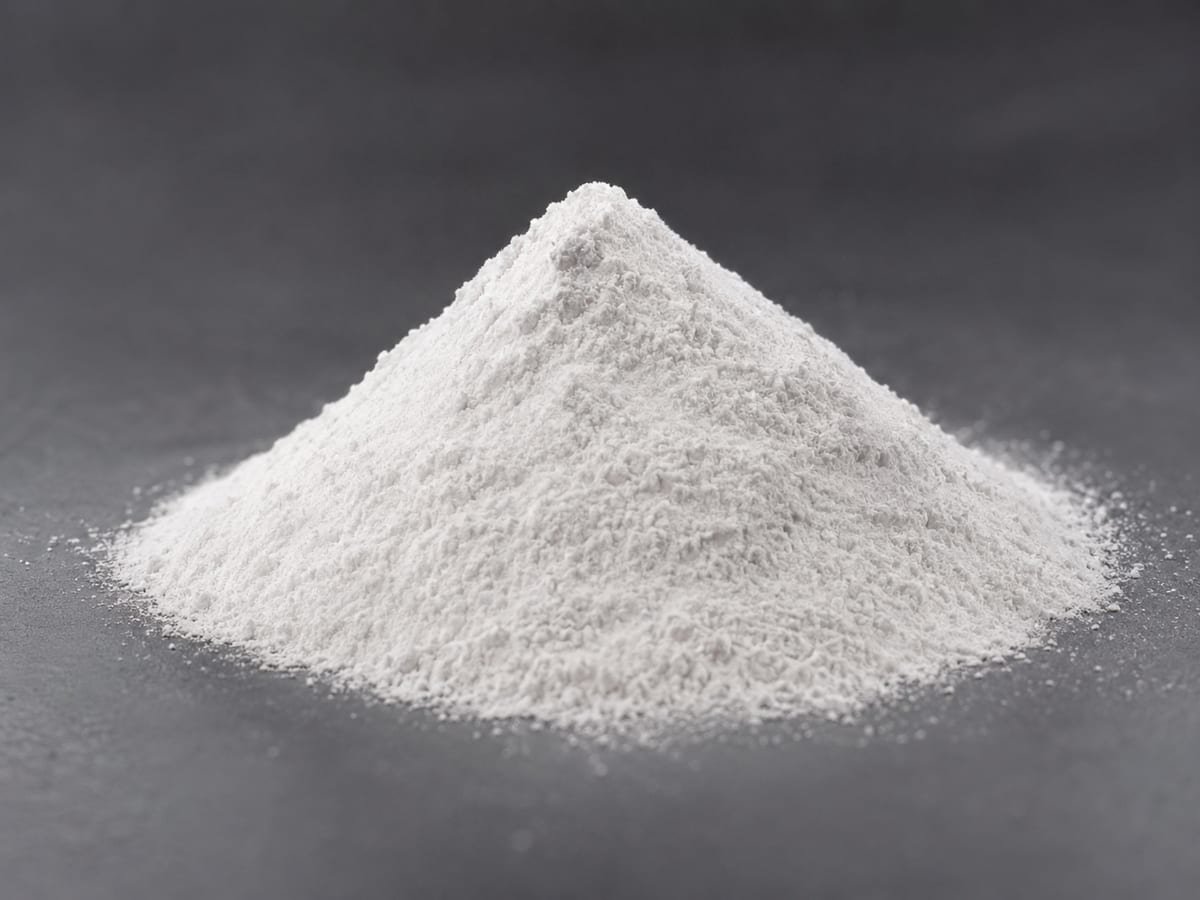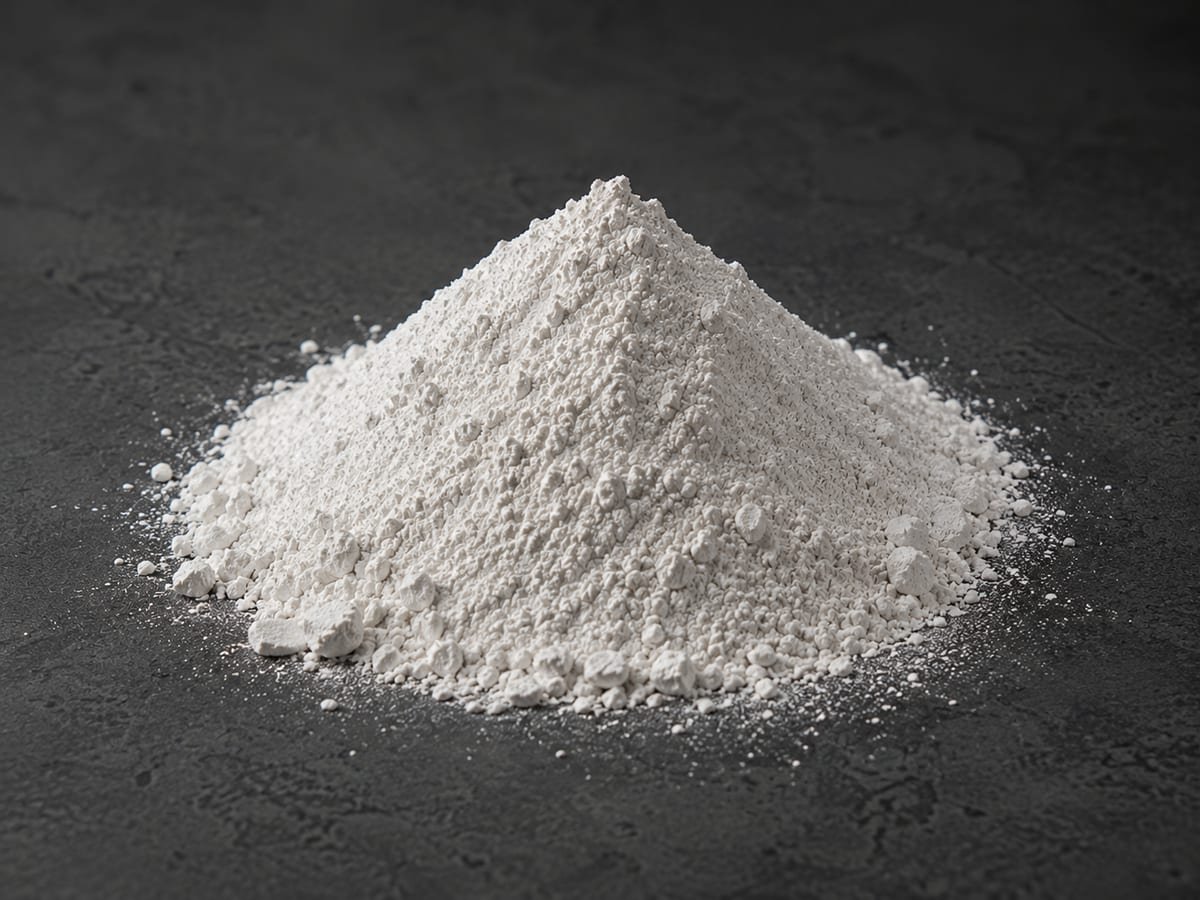
Silky slip and oil-absorbing matte finish aren’t properties one mineral delivers equally well — they come from two different particle geometries, and formulators reach for talc and kaolin specifically because their crystal structures physically can’t do each other’s job.
Root Causes
Talc’s contribution to skin feel is documented as a direct consequence of its crystal structure: its layered, sheet-like structure separates into microscopically flat, plate-shaped particles when milled, and that platy geometry allows particles to slide past one another, producing the lubricating “slip” sensation that’s the defining sensory trait of talc-based powders. Kaolin works through a different mechanism entirely: its own layered clay structure gives it the capacity to absorb excess sebum and surface impurities, a functional property tied to its structure rather than its particle shape delivering a slip effect.
The formulation target for powders is documented as a specific combination of characteristics — covering power, absorbency, adhesiveness, slip, and bloom — and achieving that combination well depends on processing as much as raw mineral selection: talc’s lamellar structure specifically requires specialized ultra-fine grinding to reach the particle size distribution cosmetic formulators need, with a documented target of D90 under 10 microns and tight control over the ultra-fine fraction. Particle shape also interacts with a separate performance dimension: powders built from more spherical particles are documented as delivering better spreadability, longer wear duration, and reduced transfer compared with the flatter, platy particle shapes — meaning particle geometry is a genuine formulation lever independent of chemical composition.
What This Means for Raw Material Selection
Because slip and oil absorption come from two structurally distinct mechanisms, a formulator chasing both properties in one product needs both minerals working through their respective particle geometries, not a single mineral asked to deliver both jobs.
The practical points for a buyer are: specify talc grinding fineness explicitly (targeting the documented D90 under 10 micron benchmark with tight ultrafine control) when slip and sensory smoothness are the priority, since coarser grinding leaves the platy structure less able to deliver the lubricating slide effect; select kaolin specifically for oil-control and mattifying formulations rather than substituting talc, since kaolin’s absorbency comes from its own structure and isn’t a property talc’s platy geometry is built to deliver; and consider particle shape (platy versus more spherical processing) as a formulation lever distinct from mineral choice itself, since the documented spreadability and wear-duration differences tied to particle shape mean two batches of the same nominal mineral can still feel and perform differently on skin depending on how they were processed.
Sources: Auctores peer-reviewed review on face powder formulation considerations; IngredientSage and EPIC Powder Equipment technical articles on kaolin powder and inorganic powders in cosmetic formulation; SpecialChem technical guide on the formulation of powders covering the five key cosmetic powder characteristics; industry technical literature on talc’s lamellar milling requirements and particle size distribution targets for cosmetic-grade material.