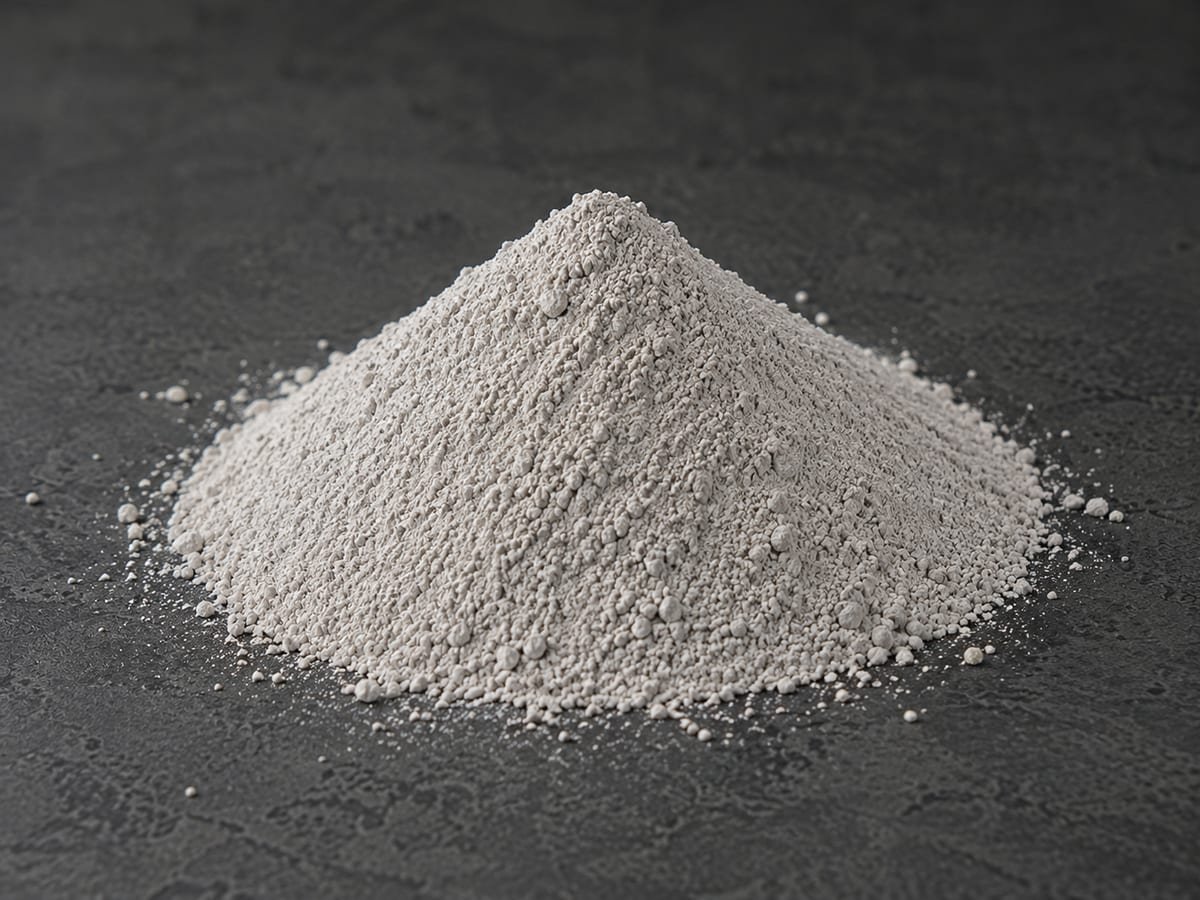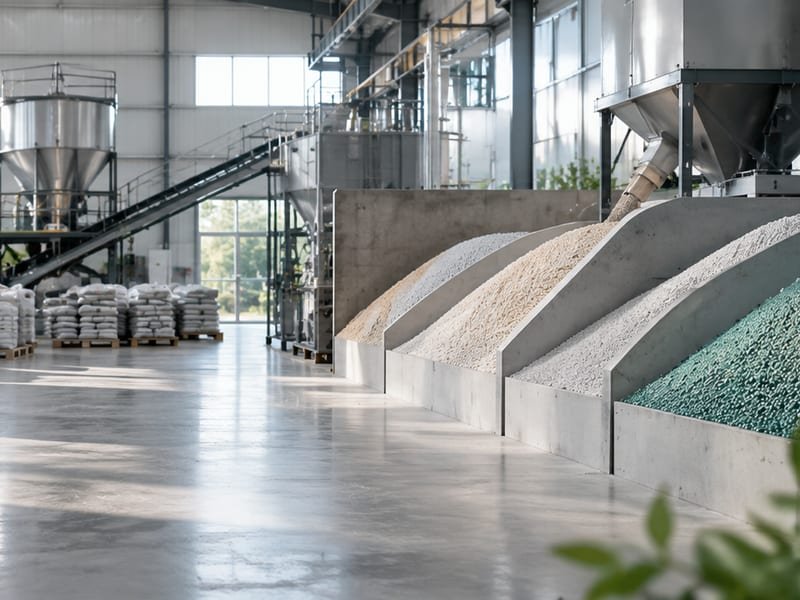
Agricultural dolomite is a slow-acting soil amendment, which pushes nearly all of a region’s annual demand into a narrow window before planting — and that concentrated demand collides with quarrying, crushing, and bulk trucking capacity that isn’t sized to flex up and down on a seasonal switch.
Root Causes
Because dolomite reacts with soil acidity gradually, agronomic guidance consistently recommends applying it months ahead of planting to give the neutralization reaction time to work before the crop needs the corrected pH — extension guidance from multiple U.S. land-grant universities frames lime application as a pre-season task specifically for this reason, not an input applied on the same schedule as fertilizer at planting. That agronomic timing requirement compresses the buying season for most farming operations in a given region into the same few months, which concentrates trucking and quarry output demand exactly when everyone else in the market is also ordering.
Bulk mineral logistics compound the seasonal spike: aggregate and agricultural mineral shipments in the U.S. move overwhelmingly by truck (on the order of 85% of tonnage, per USGS data), and truck fleet and quarry throughput capacity are largely fixed in the short run — they can’t be scaled up for a few peak months and idled the rest of the year without a cost penalty that gets passed through in price or availability.
What This Means for Raw Material Selection
For a procurement manager, the operational lesson is that reliable delivery during the pre-planting window is as much a supply chain qualification criterion as chemical specification is. A supplier with strong CCE and fineness data but no documented capacity commitment ahead of the seasonal peak is a real availability risk precisely when the material is needed, since quarry output and trucking capacity are the actual constraints, not raw mineral reserves.
The practical response is to lock in volume and delivery-window commitments with a supplier ahead of the regional demand spike rather than buying spot during it, and to treat a supplier’s demonstrated ability to hold delivery schedules during past peak seasons as a qualification criterion alongside their certificate-of-analysis data.
Sources: U.S. land-grant university extension guidance on lime application timing relative to planting (Clemson University, North Carolina State University Extension); USGS Mineral Commodity Summaries, Stone (Crushed), on truck-dominated transport share for aggregate and mineral products.