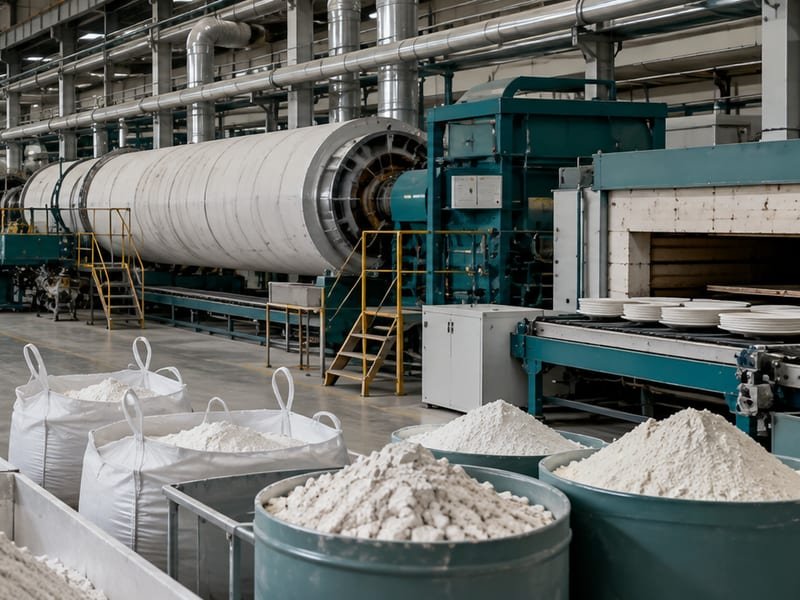
An automated forming line has a narrower tolerance than a hand-thrown studio ever did: the body has to be plastic enough to shape cleanly under mechanical pressure, but strong enough in its unfired (“green”) state to survive automated handling, trimming, and transport to the kiln without cracking — and those two requirements pull on different raw material properties.
Root Causes
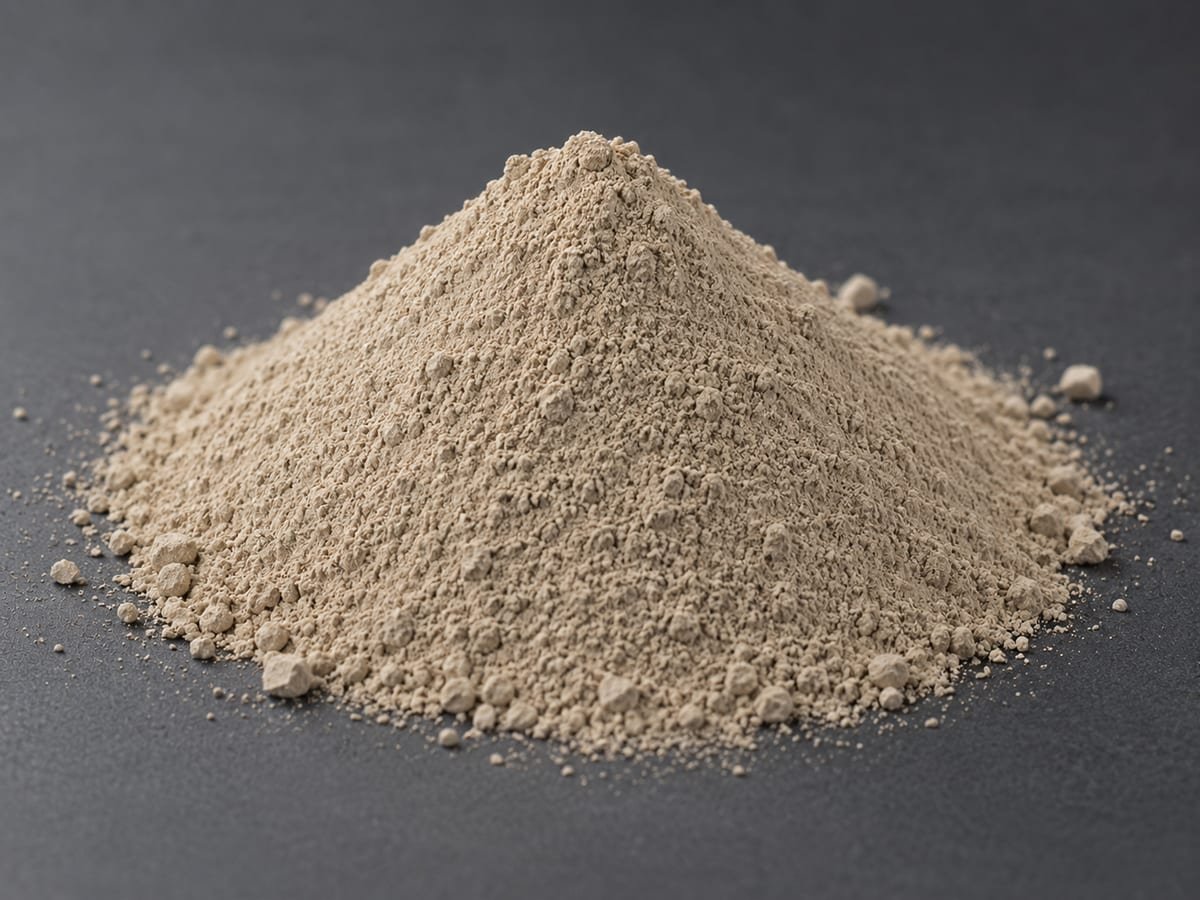
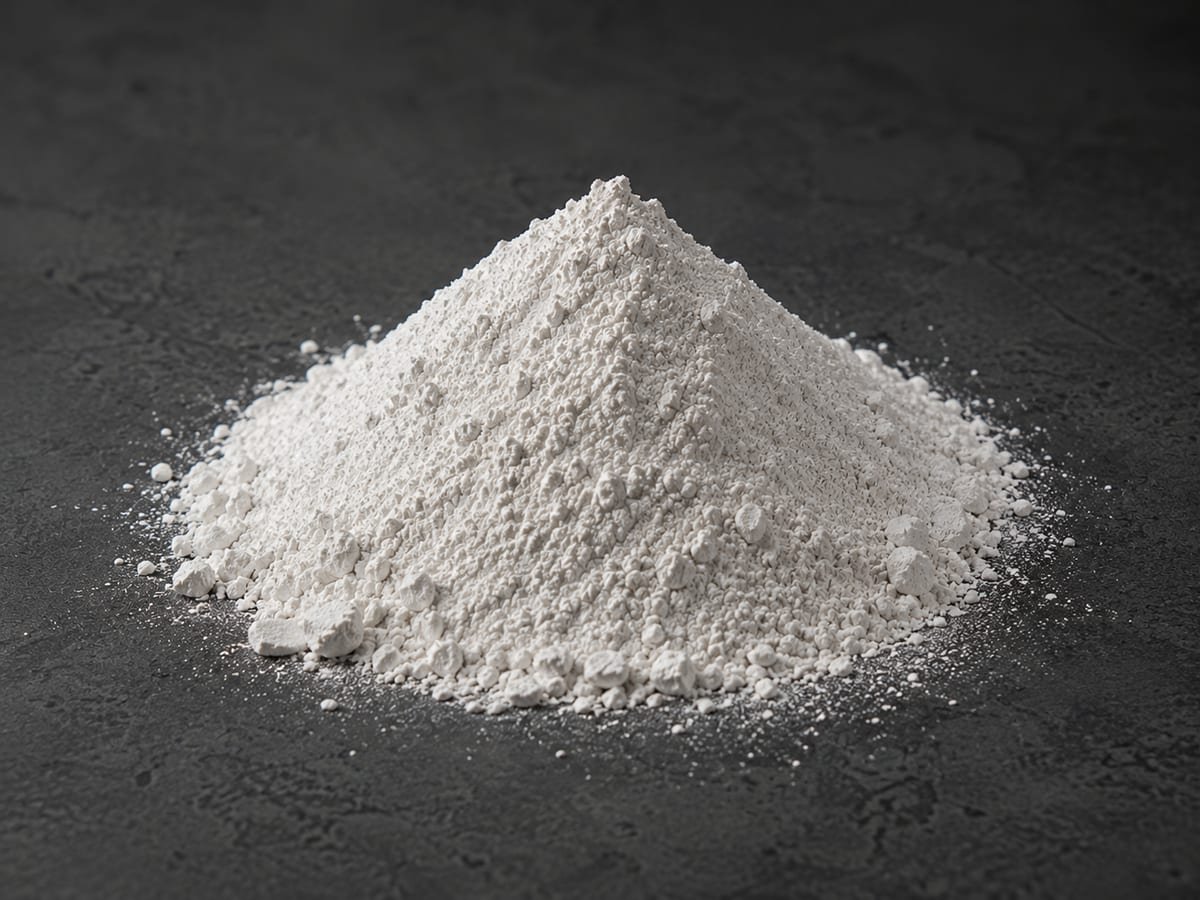
Plasticity and green strength are documented as driven by different combinations of clay particle size and mineral behavior, not by a single “clay content” number. Bentonite is the standout plasticizer in ceramic bodies because of its extremely fine particle size — typically reported at under 1 micron — versus kaolin’s roughly 10-micron particle size, and even a small bentonite addition, commonly cited at up to around 2% of the body, measurably increases plasticity because of how much surface area that fine a particle size contributes per unit weight.
Green strength follows a related but distinct logic: bentonite and ball clay are documented as the components that contribute meaningful green strength to a body, while kaolin on its own is documented as having comparatively low green strength despite being the primary clay component for whiteness and firing behavior. This is why a body formulated purely around kaolin for its whiteness and refractory qualities can be plastic enough to form but too weak green to survive automated handling without a plasticizer addition specifically chosen for its particle-size-driven strength contribution.
What This Means for Raw Material Selection
Because kaolin and bentonite contribute to plasticity and green strength through different mechanisms — kaolin as the bulk clay body providing whiteness and firing behavior, bentonite as the fine-particle addition providing outsized plasticity and green strength per unit dosage — the two aren’t interchangeable levers, and a body that’s underperforming on either property needs the correct one adjusted rather than simply “more clay” added.
The practical points for a buyer are: treat bentonite dosage as the primary control for both plasticity and green strength on an automated forming line, since its particle-size-driven contribution to both properties is disproportionate to its typical low-single-digit-percent loading; verify bentonite particle size specifically when qualifying a new source, since the sub-micron particle size — not just the mineral name on the certificate — is what delivers the plasticity and strength benefit; and recognize that increasing kaolin content to try to fix a green-strength shortfall is unlikely to work as well as adjusting bentonite dosage, since kaolin’s own green strength contribution is comparatively low regardless of how much of it is in the mix.
Sources: Digitalfire ceramic materials glossary on bentonite and kaolin particle size, plasticity, and green strength contributions; Ceramic Arts Network technical articles on clay body formulation for automated production; Cerritos College ceramics program academic reference on plastic and non-plastic clay body components.