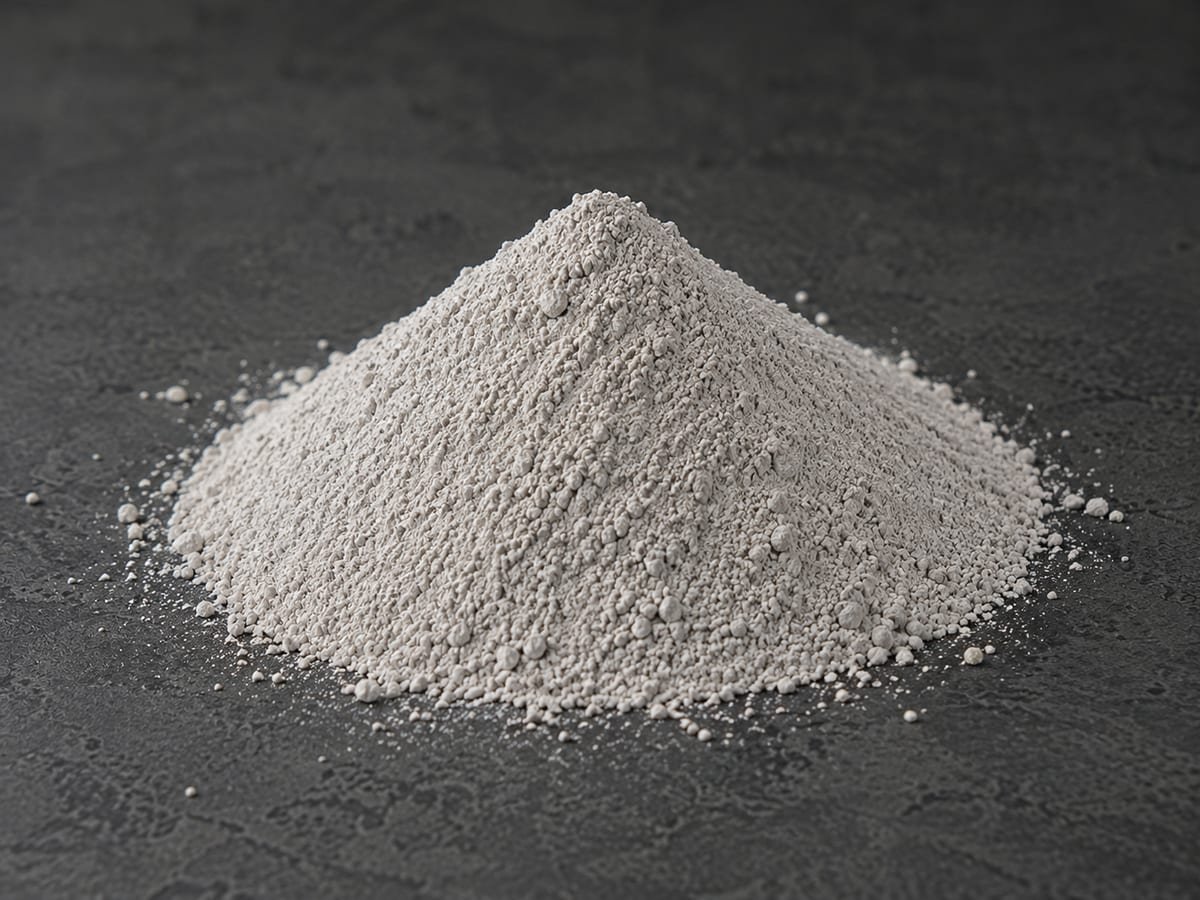
Dolomite is applied to correct acidic, magnesium-deficient soil, but pushing pH higher than the crop actually needs isn’t a harmless margin of safety — above roughly pH 6.5-7, several essential micronutrients become progressively less soluble and less available to the crop, so over-application can trade one deficiency for another.
Root Causes
Iron, manganese, zinc, and boron availability all decline as soil pH rises through the neutral range and into alkaline territory. Above about pH 7.5, iron precipitates as insoluble iron hydroxides, a documented cause of chlorosis particularly in fruit trees and grapes grown on high-pH or repeatedly over-limed soils. Zinc availability drops sharply above pH 7 as it forms insoluble hydroxide and carbonate compounds, and manganese deficiency is frequently reported in well-limed wheat, soybean, and peanut fields for the same underlying solubility reason. Historically documented “overliming injury” — reduced crop growth following excessive lime application, especially on light, sandy soils that were acidic to begin with — has been linked to reduced availability of phosphorus, potassium, and boron alongside these micronutrient effects.
A root cause behind over-application in practice is uncertainty about what a given ton of delivered material actually neutralizes: if effective neutralizing value (CCE combined with fineness) isn’t reliably known for a shipment, growers and blenders tend to over-dose as a safety margin against under-correcting acidity, which is precisely the behavior that risks pushing pH past the point where micronutrients start locking out.
What This Means for Raw Material Selection
The practical fix sits upstream of the field: dosing decisions should be based on tested effective neutralizing value for the specific shipment being applied, not a generic assumption about what “dolomite” delivers, and should be sized against the soil test’s target pH rather than an intentionally conservative overshoot. Reliable, per-shipment CCE and fineness data is what allows a grower or blender to hit a target pH accurately rather than over-applying to compensate for uncertainty about the material’s actual neutralizing power.
For a buyer, this connects raw material quality data directly to an agronomic risk: a supplier that can’t provide consistent, current CCE and fineness figures is effectively pushing the over-application risk downstream onto the buyer’s own dosing decisions.
Sources: University of Missouri Extension, “When More Is Less: How Excess Nutrients Can Cause Deficiencies in Crops” (G9069); general soil fertility literature on pH-dependent micronutrient availability (iron, manganese, zinc, boron) and documented overliming injury in acidic sandy soils.