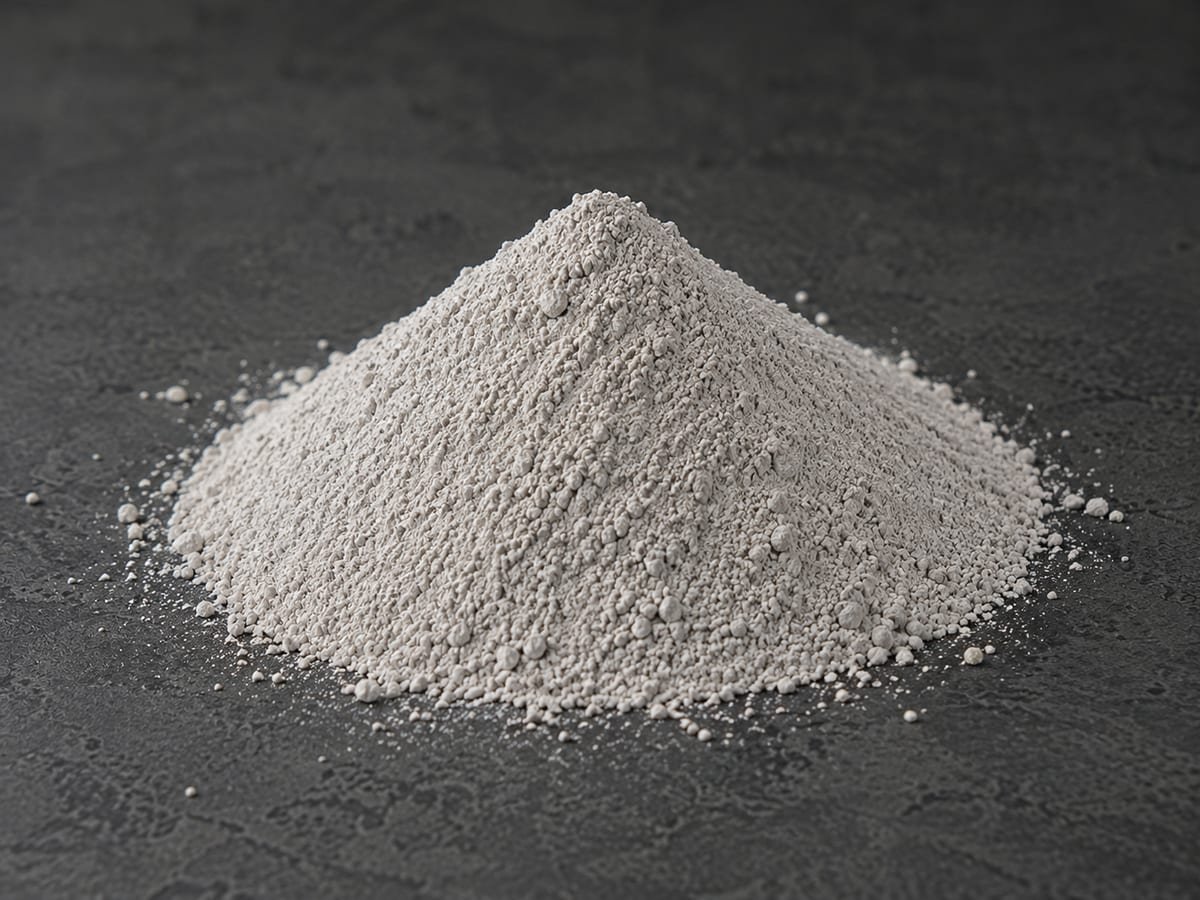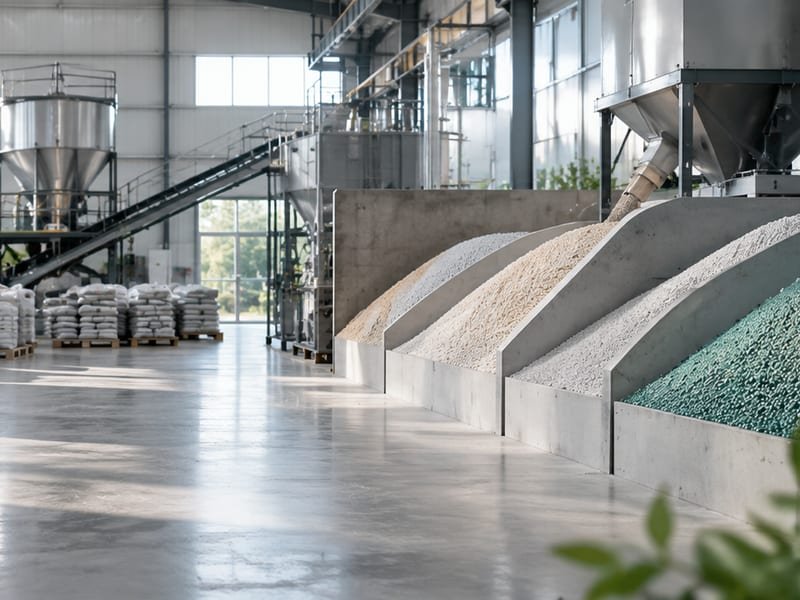
Agricultural dolomite is generally eligible for use on certified organic operations, but eligibility isn’t automatic just because the material is a mined mineral — how it was sourced and processed matters as much as its chemical composition, which makes traceability documentation a real procurement requirement, not paperwork for its own sake.
Root Causes
Under USDA National Organic Program regulations, nonsynthetic (naturally occurring) substances are generally allowed in organic crop production unless specifically prohibited, while synthetic substances are prohibited unless specifically allowed (7 CFR 205.601/205.602). Dolomite, as a mined carbonate mineral, qualifies as nonsynthetic and is not listed among the prohibited nonsynthetic substances — which is why it’s a standard input in organic liming programs. But the Organic Materials Review Institute’s Generic Materials List, which certifiers and input manufacturers widely reference for compliance guidance, specifically restricts dolomite’s allowed status to material that has not been sourced as a byproduct of food or paper processing, and to material that has not been slaked. That restriction means the same mineral, CaMg(CO₃)₂, can be organically compliant or non-compliant depending entirely on where it came from and what process it passed through before reaching the buyer — a distinction chemistry alone can’t reveal.
What This Means for Raw Material Selection
For a buyer supplying certified organic operations, the practical implication is that a certificate of analysis showing CCE and fineness data, on its own, doesn’t establish organic eligibility — it establishes agronomic quality. Organic eligibility depends on sourcing and processing history: confirmation that the material is quarried mineral dolomite, not a byproduct stream from food or paper manufacturing, and that it has not been slaked (converted to hydrated form), which would take it outside the nonsynthetic mineral category certifiers recognize as allowed.
The practical procurement requirement is to obtain supplier documentation tracing the material back to its mineral source and processing method, not just its chemical assay, and to keep that documentation current for certifier review — since a downstream buyer’s own organic certification depends on being able to demonstrate the input met these sourcing conditions, not merely that it tested as chemically pure dolomite.
Sources: 7 CFR Part 205, Subpart G, The National List of Allowed and Prohibited Substances (USDA National Organic Program); USDA Agricultural Marketing Service, “The National List”; Organic Materials Review Institute (OMRI), Generic Materials List, crop production materials section, on nonsynthetic dolomite sourcing restrictions.