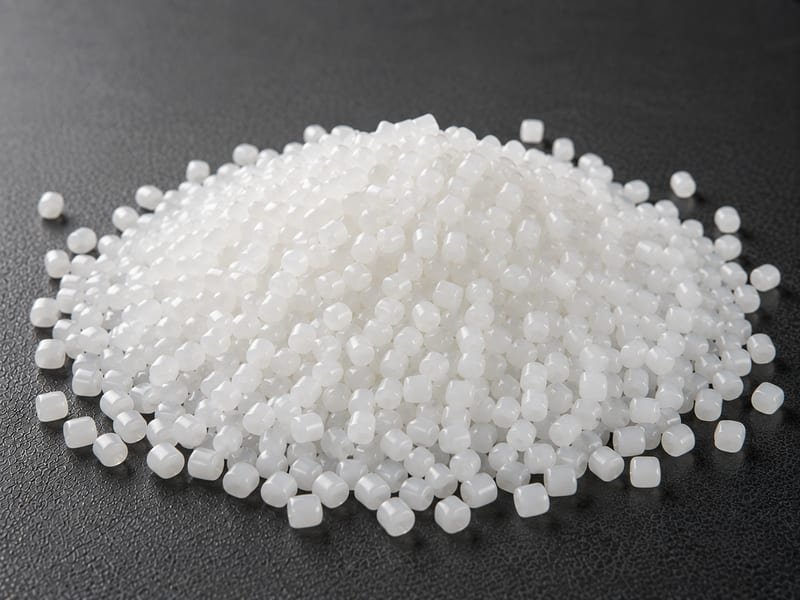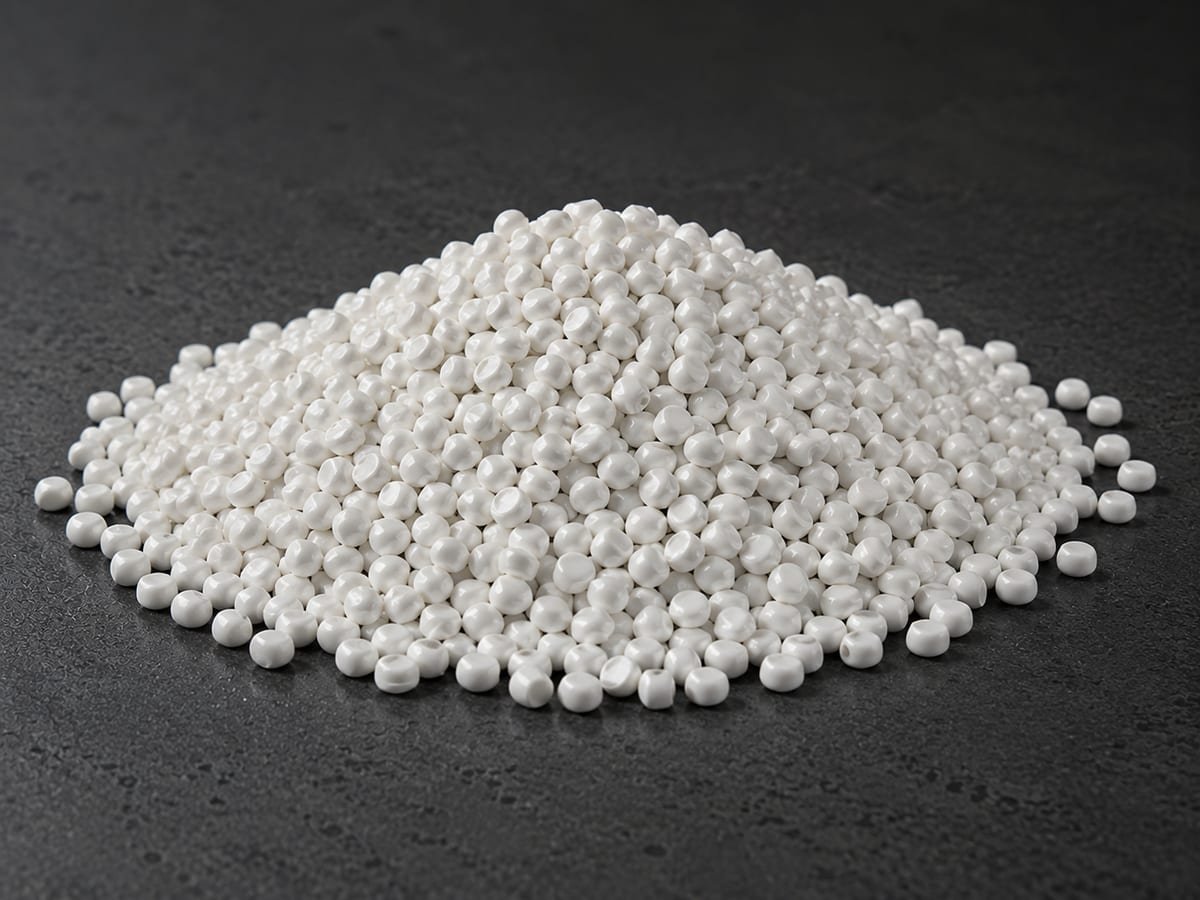

A request for “PP” is not specific enough to quote. Polypropylene is sold as homopolymer, random copolymer and impact copolymer families, each in grades tuned for injection moulding, extrusion, film, tape or fibre, and two grades with the same name or similar MFR can behave differently on your line. This checklist is written for converters and importers in Saudi Arabia and the wider GCC who want to compare suppliers on facts.
This is a buyer’s reference, not a PLAXRAW product specification. The material is described on the polypropylene reference page. PLAXRAW does not publish prices or stock on this page; to discuss a requirement use the quotation request form, and any grade, availability and price are confirmed in writing for your enquiry.
Step 1: Fix the application before the grade
- Injection moulding: stiffness, impact behaviour and flow in the mould decide the family and MFR.
- Raffia tape and woven bags: the tape extrusion process and the filler or masterbatch you plan to use affect grade choice; see the PP raffia guide.
- Film and fibre: film clarity or fibre spinning demands call for grades the producer designates for those processes.
Describe the process and the finished product first. A supplier can recommend a grade only from the application, not from a price target.
Step 2: Specify the product, not just the name
| Item | What to ask for | Why it matters |
|---|---|---|
| Resin family | Homopolymer, random copolymer or impact copolymer, with the producer grade name | Stiffness, clarity and impact behaviour differ by family. |
| Melt flow rate | MFR value with the test method and conditions (for example ASTM D1238 or ISO 1133) | MFR values are comparable only under the same conditions. |
| Process designation | The process the producer recommends (injection, raffia, film, fibre) | Grades are tuned for a process; a general grade may not suit yours. |
| Additives | Stabiliser, nucleating or other additive package declared in the TDS | Additives affect processing, appearance and end-use suitability. |
| Classification | Reference to a classification such as ASTM D4101 where the producer uses it | Gives a common language for comparing materials. |
| Regulatory fit | SDS and any food-contact or other declaration for your end product | A grade data sheet does not by default cover regulated end uses. |
Step 3: Ask for the documents that prove it
Request the current technical data sheet (TDS) and safety data sheet (SDS) for the exact grade and a certificate of analysis (COA) per shipment where issued. Ask for the producer name and grade, not only a trade description. Run a sample from the commercial production route against your control resin, changing one variable at a time, and keep retained samples. See melt flow index and batch consistency for how to read flow data.
Step 4: Fix the commercial terms
-
Packaging: 25 kg bags on pallets, bulk bags or bulk loading, and moisture protection.
-
Quantity and timing: trial quantity, regular volume and delivery window. If you plan to add filler, see the filler masterbatch checklist.
-
Delivery term: state the Incoterms 2020 term you want quoted so offers are comparable.
-
Import requirements: confirm with your customs broker which conformity and customs documents apply to your product in Saudi Arabia or the destination country before shipment.
Compare offers by landed cost per usable unit, including freight and trial cost, not by the ex-works figure alone.
Enquiry template
- Process and finished product (for example raffia tape, injection moulding, film).
- Resin family and MFR needed, or “open to recommendation”.
- Current grade and producer, if any, and why you are changing.
- Required documents (TDS, SDS, COA, any declaration).
- Trial quantity and regular volume.
- Packaging, delivery place and Incoterms term.
Send it through the PLAXRAW quotation form. PLAXRAW reviews it and replies with the relevant questions or options; it does not promise stock, specifications or lead times before the details are confirmed.
Related reading
- Melt Flow Index and Batch-to-Batch Resin Consistency
- Qualifying Recycled Resin Content Without Contamination Risk
- How to Source Filler Masterbatch: Specification and Supplier Checklist
Sources and editorial scope
Prepared by the PLAXRAW editorial team on 15 October 2026. This is editorial buying guidance, not PLAXRAW laboratory data, and it contains no price, stock or lead-time commitment. Standards are named so you can ask a supplier which method applies; consult the current edition of each standard for its scope.
- BPF — polypropylene families and applications.
- LyondellBasell — polypropylene material selection.
- ASTM D4101 — Standard Classification System and Basis for Specification for Polypropylene Injection and Extrusion Materials.
- ASTM D1238 and ISO 1133 — melt flow rate test methods, named so you can ask which one a supplier uses.
- ICC — Incoterms 2020.
Content updated: