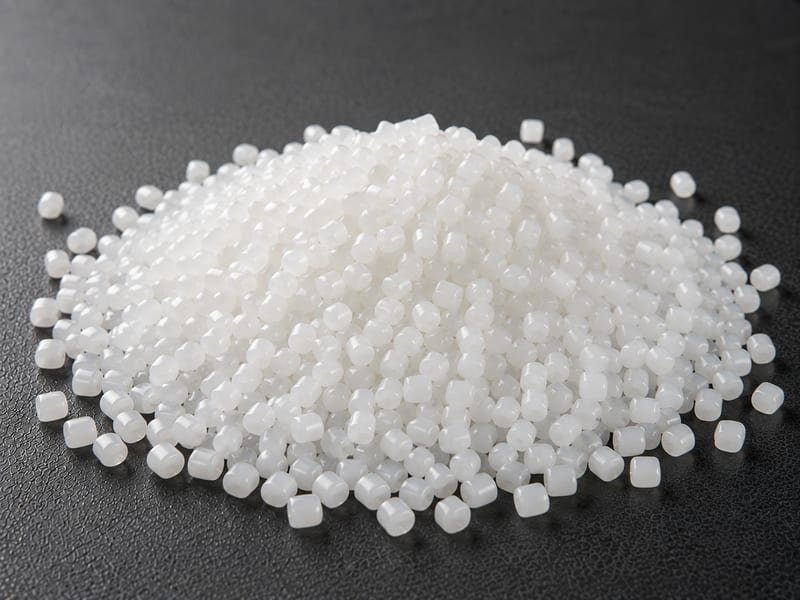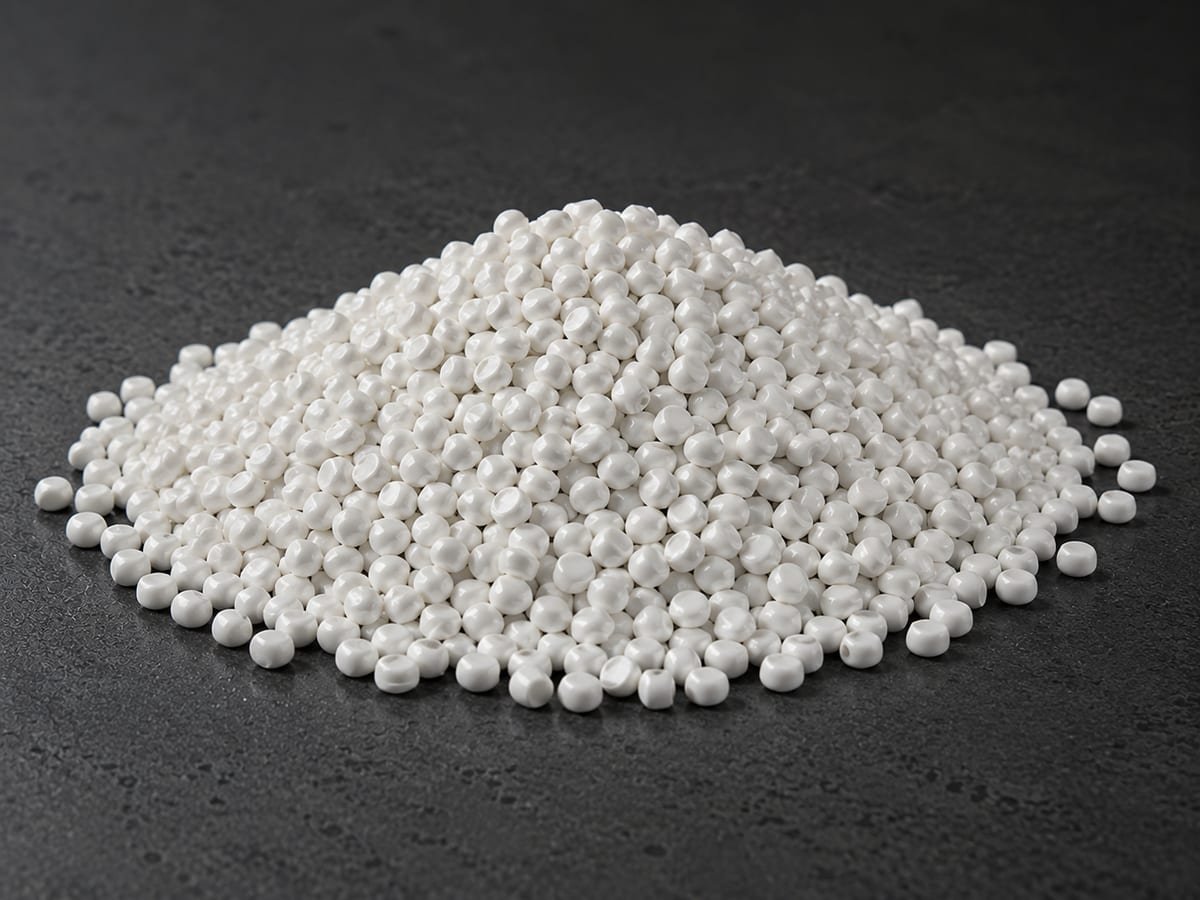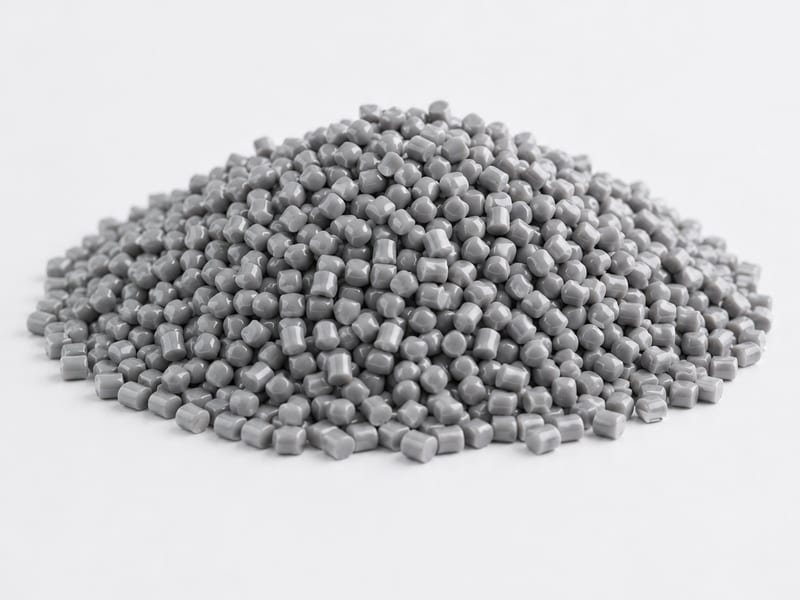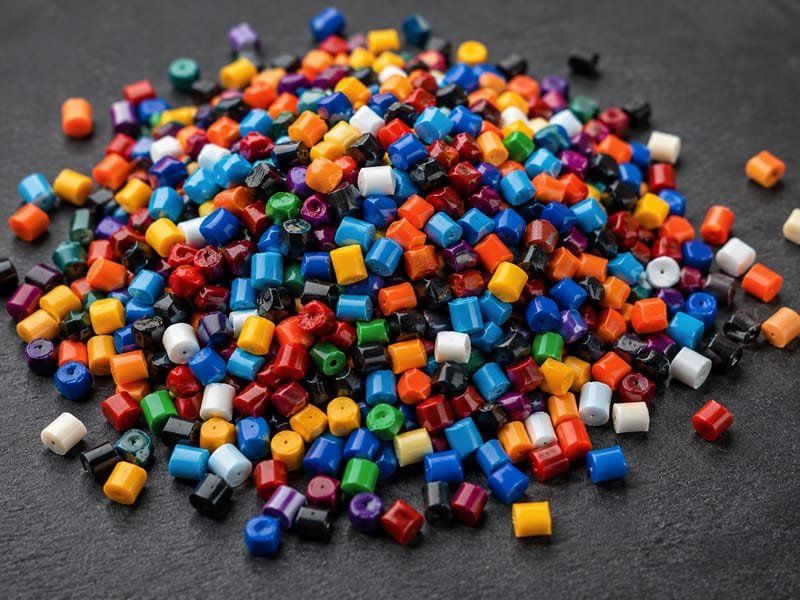
This guide helps processors define the raw-material requirements for PP raffia and drawn tapes. It covers resin selection and a formulation trial; final woven-product requirements must also be verified. It does not establish commercial grade availability.
Define the tape and finished product
LyondellBasell describes tapes and raffia as a route in which a primary film is cut into tapes and drawn. Define the line, film-making route, tape dimensions, drawing stage and intended woven or rope product before evaluating resin. A general injection-molding specification is not a tape specification.
Write down the required appearance, dimensions, mechanical tests, exposure conditions and finished-product acceptance criteria. Tape results are useful evidence, but do not alone approve a woven bag. Keep a control sample and record the current formulation and production conditions.
Compare grade documents on the same basis
Start with the PP material reference, then request the exact candidate's TDS, SDS and processing guidance. Record producer, grade and lot identity. Read MFR together with its method, temperature and load; matching one number does not establish equivalent tape performance.
| Decision | Required record |
|---|---|
| Resin | Exact grade, test conditions and process guidance |
| Formulation | Filler, concentrate carrier and active-content basis |
| Process | Film, cutting and drawing conditions for the control and trial |
| Acceptance | Tape dimensions, relevant mechanical tests and finished-product criteria |
Distinguish typical data from agreed acceptance limits. Use flow-data and batch-consistency checks before attributing a difference to the resin.
Evaluate fillers and additives in the formulation
Document every constituent and its addition basis. A percentage of filler masterbatch is not the same as that percentage of mineral: the concentrate also contains a carrier and may contain other constituents. Confirm its composition and processing suitability with the supplier.
Assess proposed color and functional additives in the complete tape formulation. A loading successful in another process is not an approved raffia recipe. Compare dispersion, appearance, tape consistency and the product's required tests. The filler-dispersion guide supports diagnosis when particle-related defects are suspected.
Run a controlled extrusion and drawing trial
Agree acceptance criteria first. Record the control and candidate formulation, lot identities, equipment, process settings and sample points. Keep the comparison controlled and document any necessary setting changes. Compare tape dimensions and required performance together with line observations.
Log interruptions and where they occurred. Check material, formulation and process records before concluding that resin alone caused a break. Retain samples for the relevant finished-product tests and repeat the comparison as needed to assess consistency. One successful run establishes a trial result, not a universal operating window.
Prepare an application-specific enquiry
Share the finished product, tape process, current approved resin, formulation constraints, observed issue, required tests, quantity and destination. Explain whether the request concerns a replacement resin, a filler or additive assessment, or process troubleshooting.
Attach relevant specifications and candidate documents. This is a raw-material selection reference; it does not claim stock, grade approval or manufacture of finished woven bags. Confirm the actual commercial option and validate its suitability for your line and product.
Technical sources and scope
This reference guide does not establish stock availability, a commercial grade approval or finished-product certification. Content prepared: