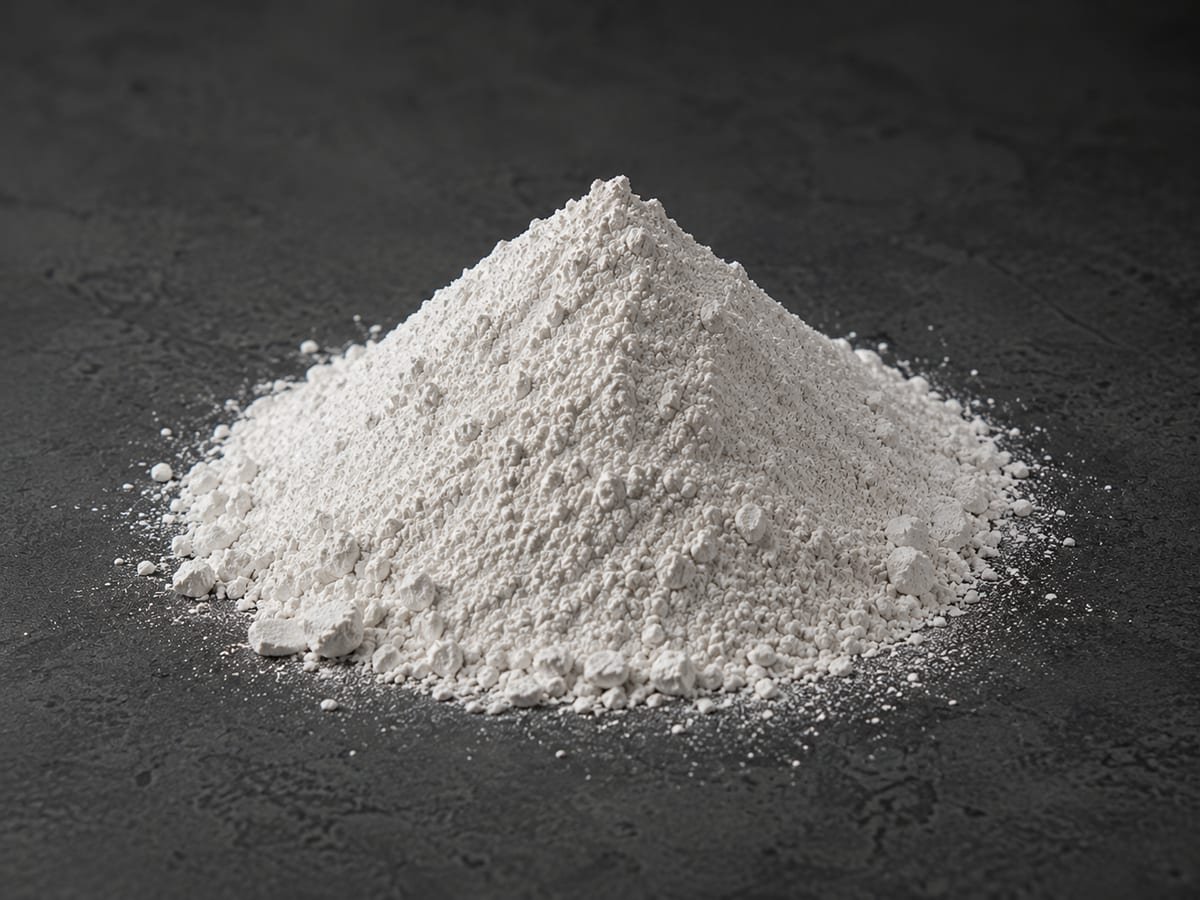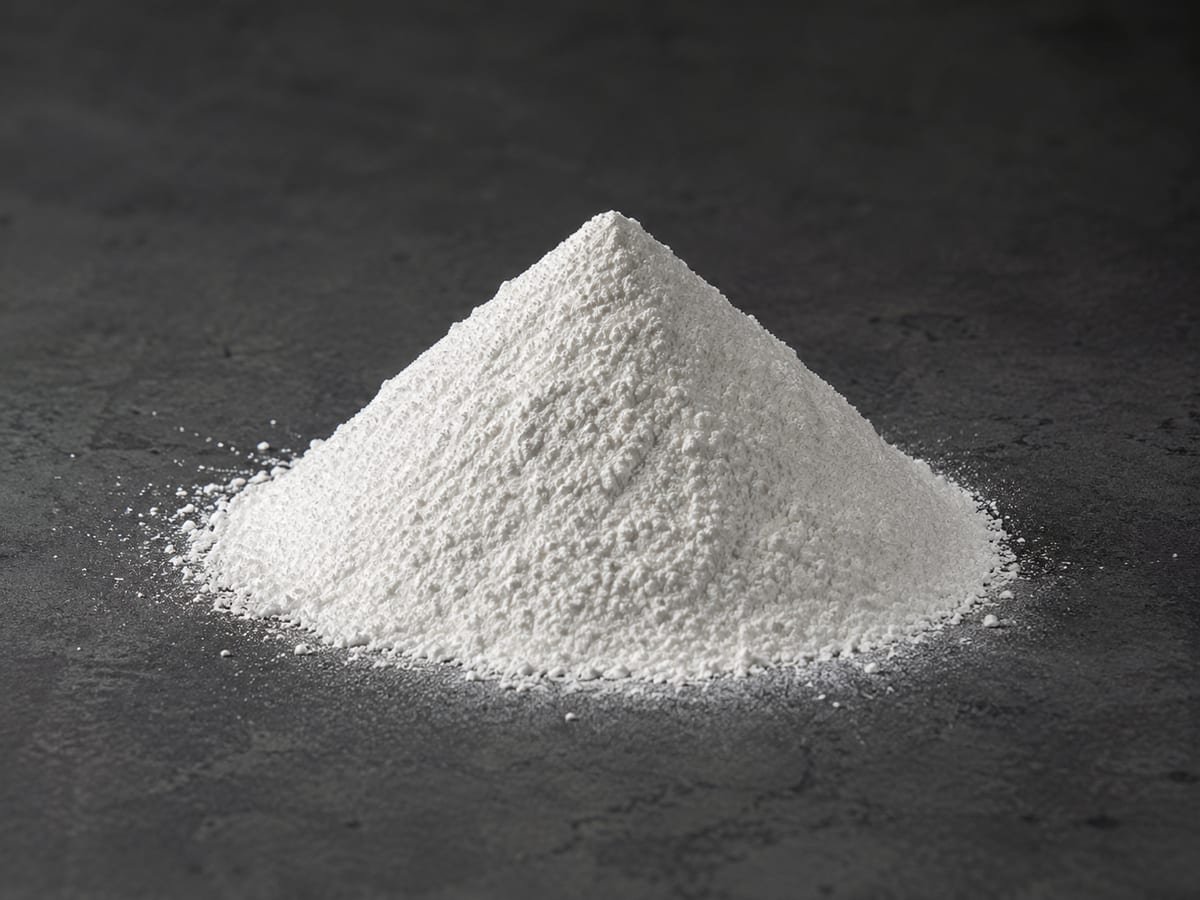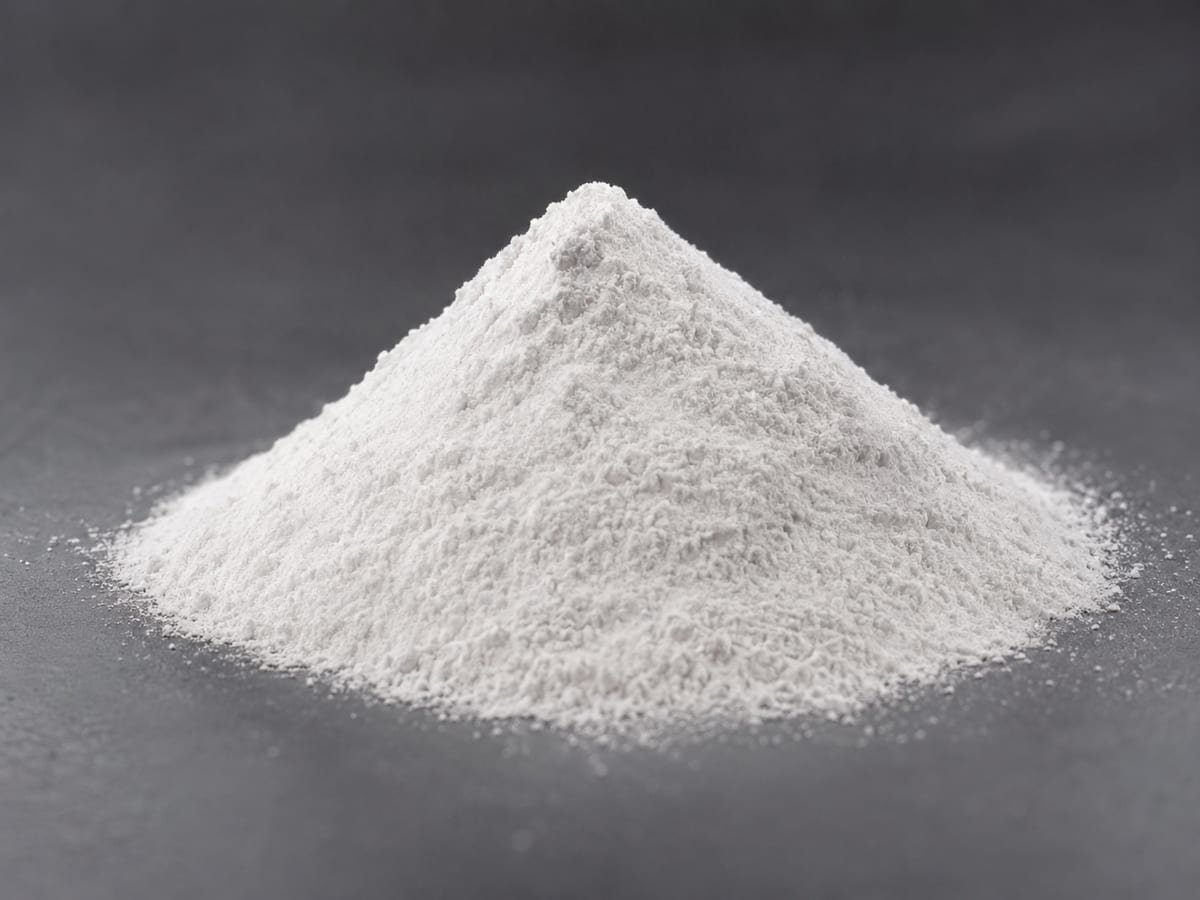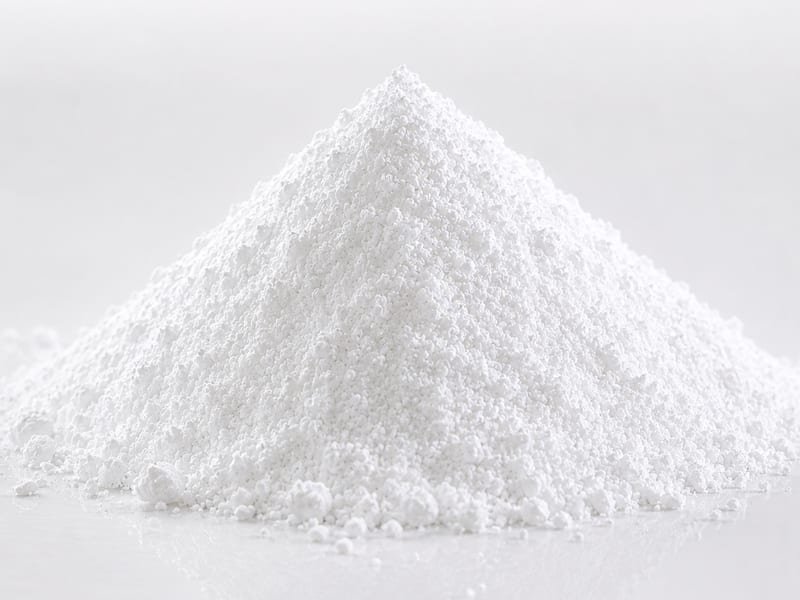

“Kaolin” on a quotation can mean two quite different products. Hydrous kaolin and calcined kaolin are sold for different jobs, with different brightness and particle-size ranges, and a supplier who quotes one when you need the other is not offering a cheaper equivalent. This guide helps you decide which category to ask for and what to check before you order.
It is a buyer’s reference, not a PLAXRAW product specification. The mineral is described on the kaolin reference page. PLAXRAW does not publish prices or stock here; to discuss a requirement use the quotation request form, and any grade, availability and price are confirmed in writing for your enquiry.
Choose the category from the application
Manufacturers separate kaolin into hydrous (processed without calcination) and calcined (heat-treated) categories, and they position the two for different applications (KaMin — hydrous and calcined categories). Use the category as a starting point and let the data sheet confirm it:
- Paper filling and coating: brightness, particle size and the effect on gloss and printability drive the choice.
- Paints and coatings: kaolin is used as an extender, and calcined grades are commonly considered when opacity support or gloss control is a goal. Always confirm against a trial in your formulation.
- Ceramics and other uses: follow the customer or process specification.
Do not treat a calcined and a hydrous quotation as interchangeable. If your formula currently uses one, say so in the enquiry.
What to specify
| Item | What to ask for | Why it matters |
|---|---|---|
| Category | Hydrous or calcined, with the supplier's grade name | Different processing gives different properties and uses. |
| Brightness | Brightness value and the test method (for example TAPPI T 646) | Brightness figures are only comparable when the method is the same. |
| Particle size | Size distribution (for example the share finer than a stated size) and the method | Controls gloss, opacity support, rheology and settling behaviour. |
| Oil absorption and pH | Oil absorption value and the pH of an aqueous suspension, with methods (the ISO 787 series covers both) | They affect binder demand and compatibility in a formulation. |
| Moisture and residue | Moisture figure and coarse residue, if reported | Moisture affects handling and dosing; coarse residue can cause defects. |
| Documents | TDS and SDS for the exact grade, COA per shipment, and any declaration for cosmetic or other regulated use | An industrial grade does not by default cover cosmetic or food-contact use. |
For cosmetic use, see the separate note on cosmetic-grade vs industrial-grade kaolin sourcing.
Verify the supplier
Ask for current documents rather than statements: the TDS for the grade, an SDS, a COA from a recent shipment and the quality management certificate the producer holds (for example ISO 9001). Ask where the product is produced and whether the sample you receive comes from the same route as commercial supply. Run the sample against your control material in your own formulation or process before approving volume.
Commercial terms
- Packaging: bag size, pallets or bulk bags, moisture protection.
- Delivery term: state the Incoterms 2020 term you want quoted, so offers are comparable.
- Quantity and timing: trial quantity, regular volume and required delivery window.
- Import requirements: confirm the documents required for your destination with your customs broker before shipment.
Compare offers by landed cost per usable tonne, including freight and trial cost, not by the ex-works figure alone. Kaolin energy and processing cost can move prices; for the cost background see kaolin energy cost and calcium carbonate substitution in paper.
Enquiry template
- Application and process; current kaolin or filler, if any.
- Category required (hydrous, calcined, or open to recommendation).
- Target brightness and particle size, with the test method if you have one.
- Required documents.
- Trial quantity and regular volume.
- Packaging, delivery place and Incoterms term.
Send it through the PLAXRAW quotation form. PLAXRAW reviews it and replies with the relevant questions or options; it does not promise stock, specifications or lead times before the details are confirmed.
Sources and editorial scope
Prepared by the PLAXRAW editorial team on 14 October 2026. This is editorial buying guidance, not PLAXRAW laboratory data.
- KaMin — hydrous and calcined kaolin categories.
- KaMin — KaMintex, an engineered calcined reference product.
- TAPPI T 646 — brightness test scope.
- ICC — Incoterms 2020 rules.
- The ISO 787 series (general methods of test for pigments and extenders) and ISO 9001 are named so you can ask a supplier which methods and certificates apply; consult the current standards for their scope.
Content updated: