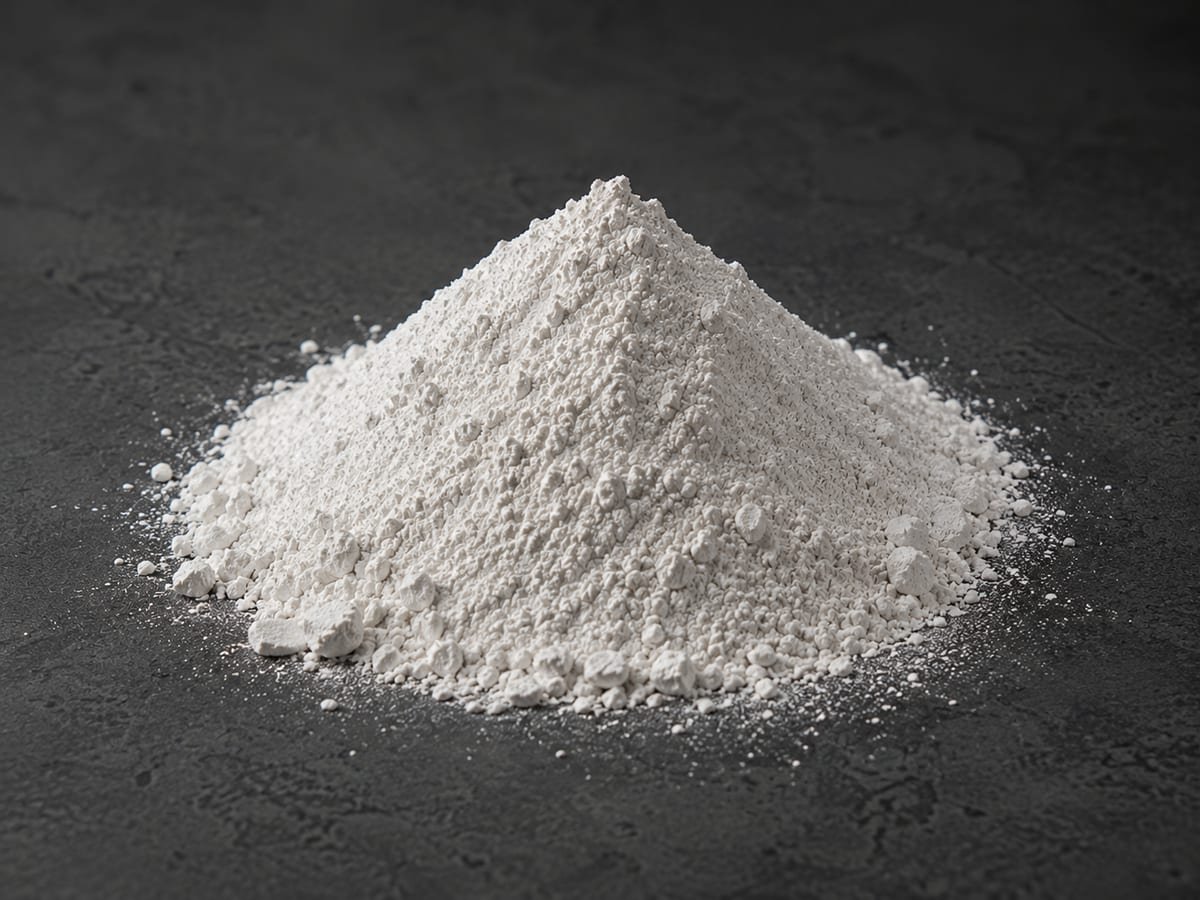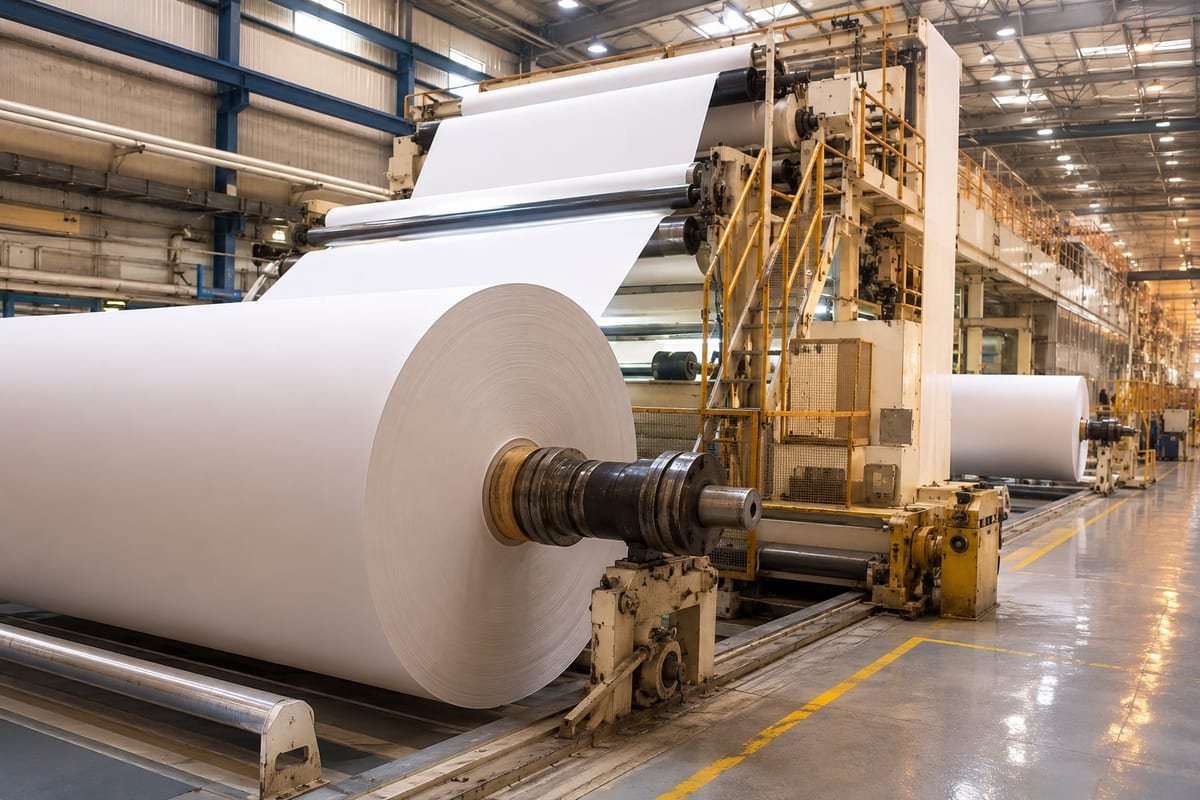
Kaolin cost volatility for paper mills isn’t primarily a mining-output story — it’s an energy story, and the calcination step that upgrades kaolin for coating use is exactly where gas price swings translate directly into raw material cost.
Root Causes
Kaolin pricing has moved measurably in a documented, recent window: US producer price index data show kaolin prices rising 18.6% between December 2022 and September 2025 as utilities passed energy surcharges through to buyers. The mechanism is specific: flash calcination, the process step that produces the higher-performance calcined kaolin grades used in coating, requires roughly 1.2-1.5 MMBtu of energy per ton, leaving calciners directly exposed to natural gas price movement. European TTF gas prices are documented as having moved from roughly EUR 15-20/MWh pre-2022 to EUR 35-45/MWh in 2025, a shift that forced major producers to idle 15-20% of capacity or raise prices by a comparable 15-20% to cover the energy cost increase.
That cost pressure is documented as actively reshaping the competitive landscape between mineral pigments: customers resisting further kaolin price increases are accelerating partial substitution toward calcium carbonate, with materials like calcium carbonate, talc, bentonite, and silica increasingly used as kaolin alternatives across paper, coatings, plastics, and rubber specifically because of cost competitiveness alongside comparable functional properties. Within paper specifically, hydrous (uncalcined) kaolin grades are documented as facing margin pressure from calcium carbonate substitution in digital-print grades, pushing kaolin producers toward tighter particle-size control and specialty coating formulations to defend their position rather than competing on price alone.
What This Means for Raw Material Selection
Because kaolin’s cost volatility is driven by an energy input specific to the calcination process rather than the mineral itself, a buyer’s exposure depends heavily on whether they’re sourcing calcined or hydrous grades, and gas price tracking is a more direct volatility indicator than general mineral market news.
The practical points for a buyer are: track natural gas price movement (particularly European TTF benchmarks for European-sourced calcined kaolin) as a leading indicator for calcined-grade price changes, given the documented direct energy-cost-to-price linkage; evaluate calcium carbonate substitution specifically for grades where kaolin’s calcination-driven cost premium isn’t justified by a genuine functional requirement, since the documented substitution trend reflects real cost-competitiveness rather than a compromise; and expect hydrous kaolin grades to face continued competitive pressure in digital-print and similar applications, meaning long-term supply agreements for that segment should account for the documented substitution dynamic rather than assuming price stability.
Sources: ChemTradeAsia market insight reports on kaolin pricing trends and energy cost impact, and on kaolin clay structure and properties; TradingEconomics US Producer Price Index data for kaolin and ball clay mining; Mordor Intelligence and Grand View Research kaolin market sizing and forecast reports documenting substitution dynamics and calcination energy intensity.