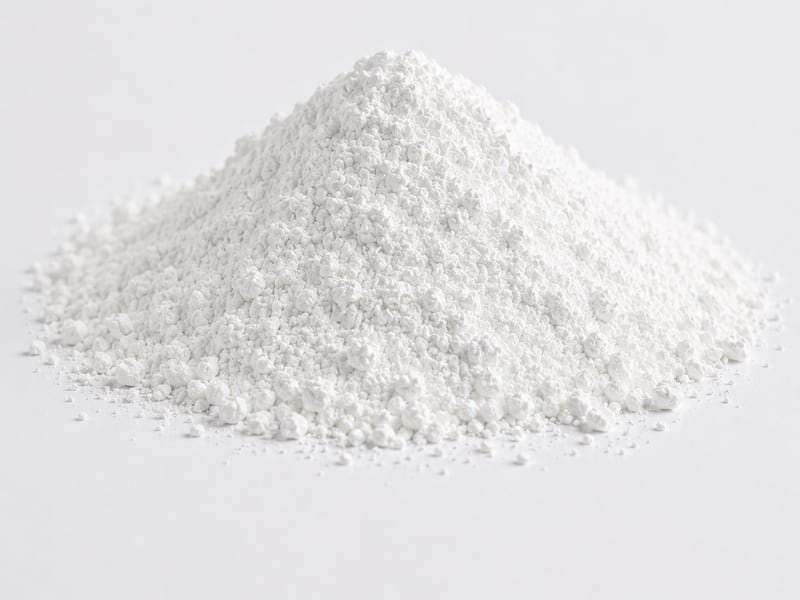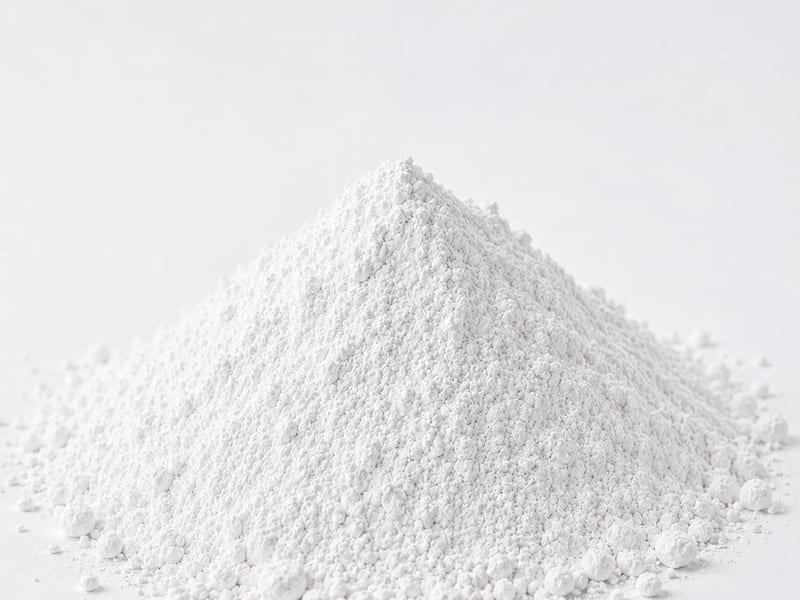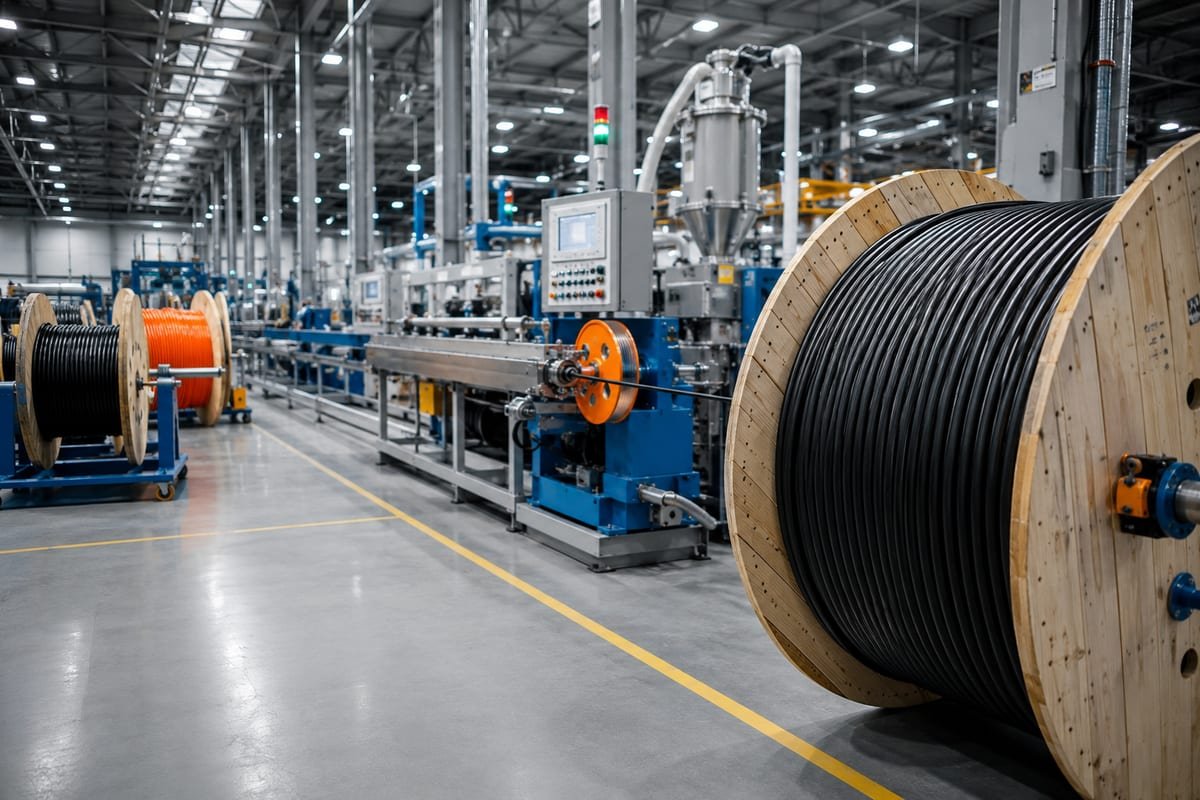
Both aluminum trihydroxide (ATH) and magnesium hydroxide (MDH) suppress fire in cable compounds through the same basic mechanism, which makes it tempting to treat them as interchangeable halogen-free options — but they diverge on a property that determines which one actually works for a given cable application, and getting that choice wrong isn’t a cost inefficiency, it’s a compound that fails in service.
Root Causes
Both metal hydroxides work identically at the chemistry level: heated in a fire, they undergo an endothermic reaction that releases water vapor, which cools the flame and displaces oxygen without producing the corrosive gases or dense smoke associated with halogenated flame retardants — the shared mechanism behind why both have rapidly displaced halogen-based systems in cable compounds where smoke and corrosivity matter, such as enclosed or public spaces.
The two diverge sharply on thermal stability. Magnesium hydroxide is documented to remain thermally stable at temperatures roughly 110°C higher than ATH before it begins to decompose prematurely. ATH’s lower decomposition threshold isn’t a defect — it’s what makes it release its water vapor at a useful temperature for many standard cable applications — but it becomes a real constraint in compounds that see higher processing or service temperatures, where ATH can begin decomposing during compounding or extrusion itself rather than only during an actual fire event, releasing water into the melt and causing processing defects rather than functioning as intended flame protection.
Cost is the other side of the trade-off: ATH is documented as generally the lower-cost option compared with magnesium hydroxide and with halogenated alternatives such as bromine-antimony systems, which is why it remains the default choice wherever its thermal ceiling isn’t a limiting factor.
What This Means for Raw Material Selection
Because the decision between ATH and MDH is governed by the compound’s actual thermal exposure — both during processing and in service — not by fire performance alone (both share the same suppression mechanism), specifying flame retardant purely on cost or on a generic “halogen-free hydroxide” description risks selecting ATH for an application whose processing or service temperature exceeds its stable range.
The practical specification points are: confirm the compound’s actual processing temperature (extrusion melt temperature) and the cable’s expected service temperature against ATH’s lower decomposition threshold before defaulting to the lower-cost option; reserve magnesium hydroxide for applications where that higher processing or service temperature genuinely requires its roughly 110°C thermal stability advantage, rather than specifying it by default where ATH would perform adequately at lower cost; and treat this as a material selection decision made early in compound design, since discovering a thermal-stability mismatch during production (premature decomposition causing processing defects) is a more expensive failure than specifying the correct hydroxide from the start.
Sources: Huber Advanced Materials, technical documentation on aluminum hydroxide (Martinal) and magnesium hydroxide (Magnifin) flame retardants for the cable industry; general halogen-free flame retardant industry literature on ATH/MDH fire-suppression mechanism, thermal stability comparison, and cost positioning relative to halogenated alternatives.