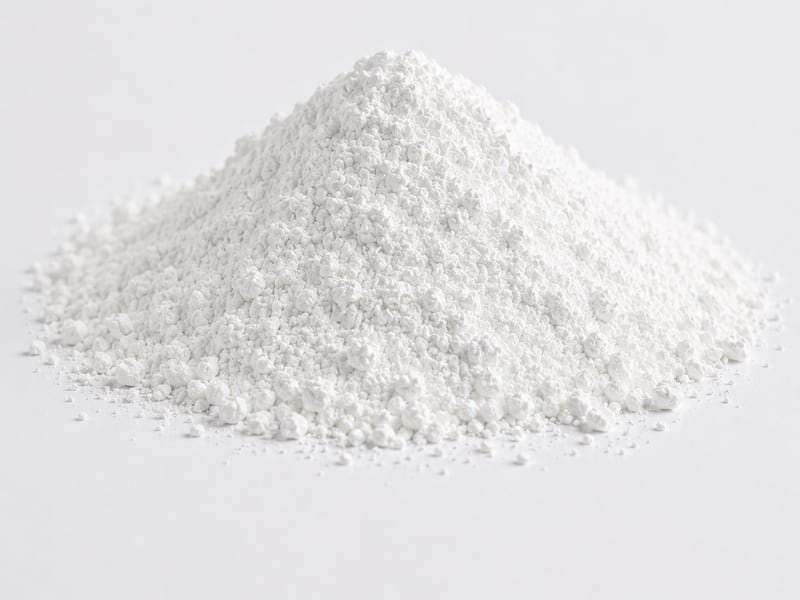
In an LSZH cable compound, aluminum trihydrate (ATH) makes up 50-65% of the formulation by weight — a larger share than the base resin in many cases — which means ATH cost movement drives compound cost more than HDPE or PVC resin pricing does, and ATH tracks a completely different set of upstream markets than either resin.
Root Causes
ATH is produced by mining bauxite and refining it into alumina hydrate via the Bayer process, which uses caustic soda and substantial energy input, so ATH cost is exposed to bauxite mining economics, caustic soda pricing, and energy costs simultaneously, on top of the freight cost of moving a mineral-heavy product. Bauxite supply itself is geographically concentrated to a degree unusual even among mined commodities: Guinea alone supplies roughly 40% of global seaborne bauxite trade and accounts for the large majority of global bauxite exports, with the bulk of that volume moving to Chinese alumina refiners — a concentration documented as sensitive enough that reports of Guinean export-policy changes have moved global alumina pricing on their own, independent of actual shipped volumes.
That concentration shows up directly in ATH price data. Industry price-tracking sources documented regional ATH prices spanning roughly $470-575/MT in Brazil, Indonesia, and the U.S. against over $800-1,000/MT in parts of Europe within the same quarter, and single-region quarter-over-quarter swings of 10-14% in documented periods (Saudi Arabia +13.95% and Taiwan +10.9% in one recent quarter) — larger and more erratic moves than the more liquid, more broadly-traded polyolefin resin markets typically show over a comparable period. Caustic soda and energy cost pressure, freight and port-congestion costs, and war-risk shipping premiums were each separately documented as driving quarter-to-quarter ATH price movement, on top of the underlying bauxite-supply concentration.
This is a distinct cost story from HDPE and PVC resin pricing, which tracks crude oil and petrochemical cracker economics — a different, more broadly-traded upstream market with a much larger and more geographically distributed supplier base. Lumping ATH into a general “resin price volatility” narrative misses that its largest cost driver is a mining and mineral-refining chain concentrated in a small number of countries, not a petrochemical cycle.
What This Means for Raw Material Selection
Because ATH is the largest single ingredient by weight in most LSZH formulations, its price volatility deserves its own line in a compound’s cost-risk model rather than being folded into general resin-market commentary — a documented 10%+ quarterly swing in ATH pricing moves total compound cost more than a comparable swing in a lower-weight-share ingredient would.
The practical points for a buyer are: track bauxite, alumina, and caustic soda cost trends specifically as ATH cost leading indicators, rather than relying on general petrochemical or resin-market pricing signals that don’t apply to a mined-mineral input; qualify ATH supply across more than one producing region given the wide regional price dispersion documented, so a spike tied to one region’s mining, refining, or export conditions doesn’t leave a single-source buyer with no alternative; and ask suppliers whether their pricing is indexed to bauxite/alumina reference costs or held on fixed terms, since fixed-price contracts concentrate the volatility risk on whichever side eventually has to renegotiate when the underlying mineral cost moves.
Sources: ChemAnalyst aluminium trihydrate regional price-tracking data (Q1-Q3 2025 and Q1-Q2 2026 quarterly movements); Kpler market analysis on Guinea’s position in global bauxite trade; U.S. Geological Survey bauxite reserve and production data; industry reporting on Guinea bauxite export volumes and policy risk (2025-2026).