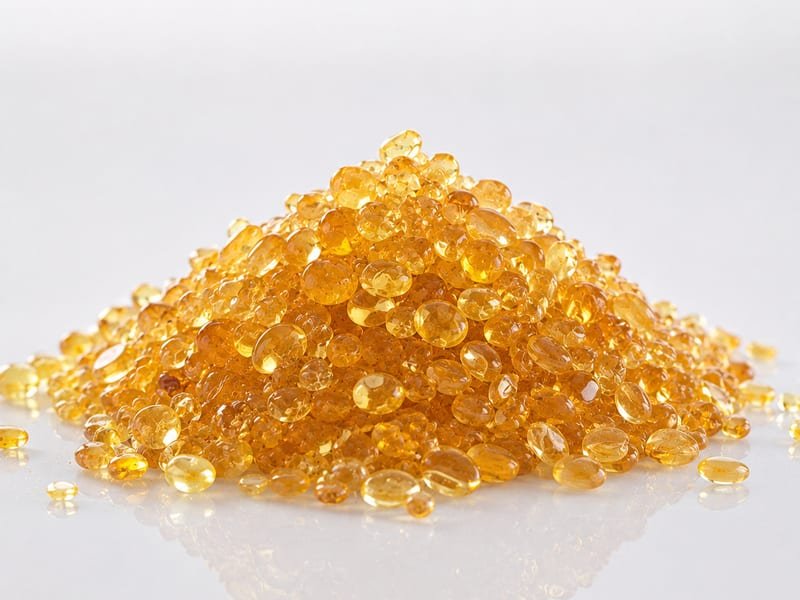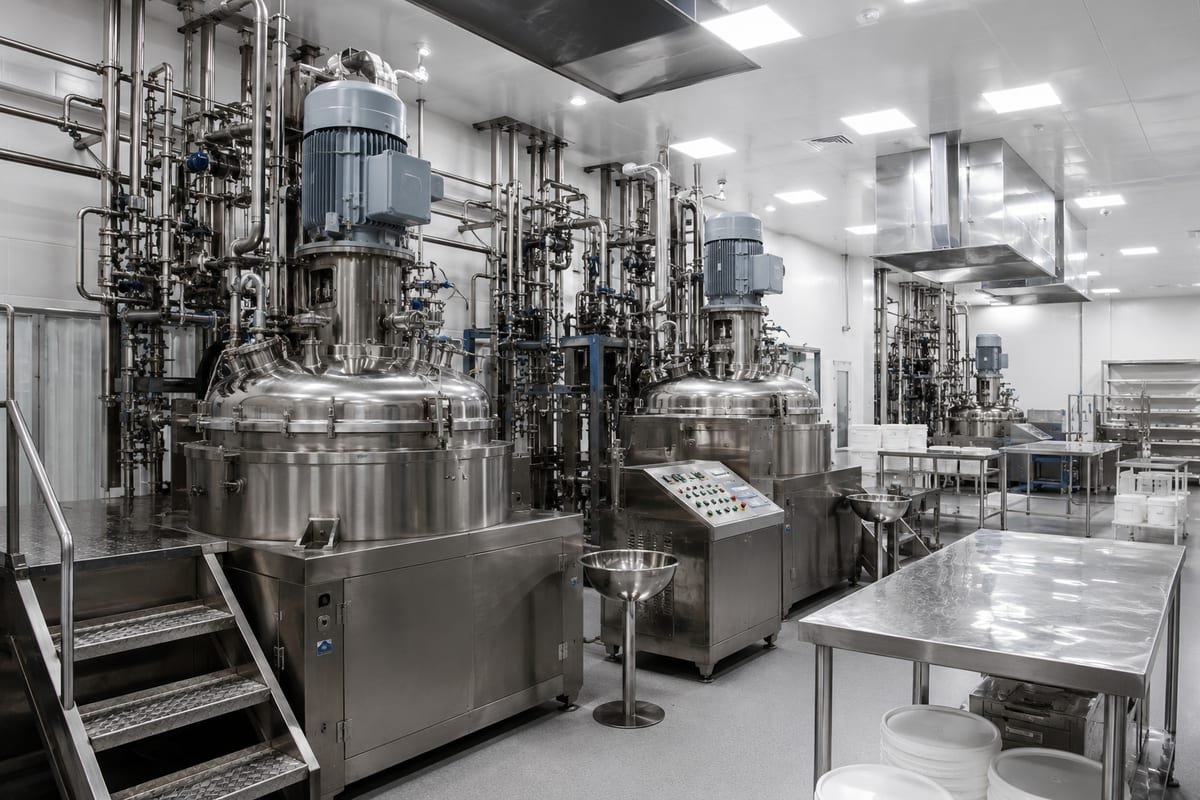
Hydrocarbon tackifier resin pricing isn’t set independently — it’s a downstream consequence of naphtha cracker economics, and understanding that link is what separates a buyer who reacts to price increases from one who can anticipate them.
Root Causes
The primary cost driver for hydrocarbon tackifier resins is documented as the C5 and C9 fractions produced by naphtha steam crackers, which are directly sensitive to crude oil volatility and refinery margins. That sensitivity is quantified: a 10% shift in naphtha prices is reported to translate into roughly a 3-5% change in resin production costs within a quarter, and feedstock (petrochemical C5/C9 streams plus, for rosin-based grades, natural rosin) is reported to represent 55-70% of total production cost for tackifying resins. Pricing across grades reflects this feedstock split — standard-grade hydrocarbon resins (C5 tackifiers) trade in a lower band than rosin ester and specialty terpene resin grades, which command a premium tied partly to natural-feedstock sourcing dynamics separate from petrochemical pricing.
Because naphtha cracker operating rates fluctuate with broader petrochemical market cycles, not just crude oil price alone, tackifier cost volatility tracks two linked but distinct signals: crude oil price movement (which sets naphtha feedstock cost) and cracker utilization/margin conditions (which determine how much of that cost swing passes through to C5/C9 resin pricing).
What This Means for Raw Material Selection
Because the feedstock-to-cost relationship is quantified rather than anecdotal, a buyer tracking naphtha price movement and steam cracker margin reporting has a leading indicator for hydrocarbon tackifier pricing, rather than only finding out about a cost shift when the next quote arrives.
The practical points for a buyer are: monitor naphtha and C5/C9 feedstock pricing directly as a leading indicator for tackifier cost movement, given the documented roughly 3-5% cost pass-through per 10% naphtha price shift; recognize that rosin-based tackifier grades carry a different cost driver (natural rosin/pine chemical supply, covered separately from petrochemical feedstock economics) than hydrocarbon-based grades, so a single feedstock-tracking approach shouldn’t be applied uniformly across all tackifier chemistries in a formulation; and factor cracker utilization and petrochemical margin cycles, not just spot crude price, into cost forecasting, since the same crude price move can produce different resin cost outcomes depending on cracker operating conditions at the time.
Sources: IndexBox and Mordor Intelligence tackifier and tackifying-resin-for-rubber market reports documenting feedstock cost share and naphtha price sensitivity; Emergen Research and Future Market Insights tackifier market sizing and pricing band data; PW Consulting hydrogenated hydrocarbon and aromatic resin tackifier market research.