
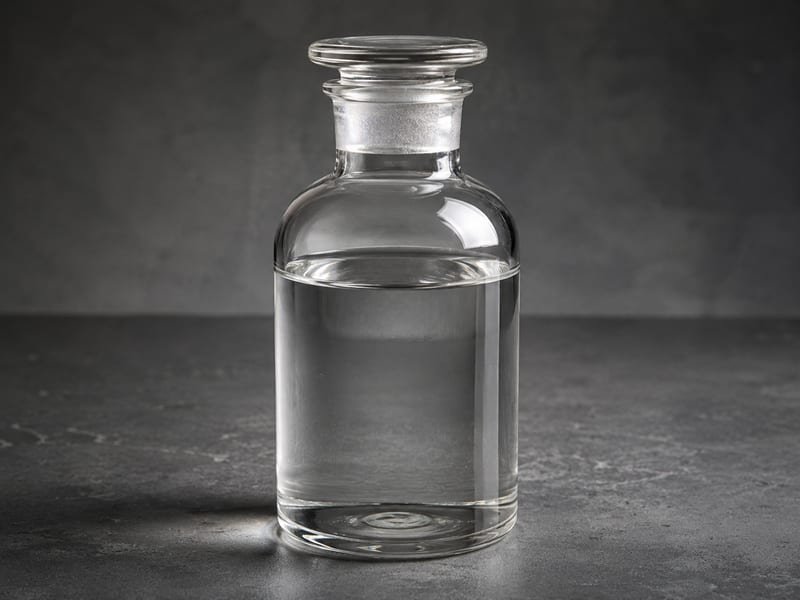
Solvents (Paint & Coating Chemicals)
What solvents actually do in a paint formulation, why they're still used in industrial coatings despite the shift to waterborne systems, and why some, like xylene, are hard to replace.
Overview
Solvents are often framed as the part of a paint that “disappears” after application, but research on their role shows they’re doing real, structural work throughout the paint’s lifecycle — and regulatory VOC limits mean the choice of solvent is a genuine formulation constraint, not an afterthought.
What is it?
Solvents are liquids used in paint and coating formulations to dissolve or disperse binders and other components. Per the EPA’s architectural coatings regulation, they fall under the broader definition of a volatile organic compound (VOC): “any organic compound that participates in atmospheric photochemical reactions… other than those which the Administrator designates as having negligible photochemical reactivity.” A 2024 peer-reviewed solvent sustainability guide notes that the paints and coatings industry accounts for roughly 46% of the estimated 20-million-tonne global solvents market, compared to just 9% for pharmaceuticals — making it the largest single end use of solvents worldwide.
Why should I use it?
- Solvents remain essential for many paint and coating applications, particularly industrial ones, even as the market shifts toward water-based systems — see Limitations.
- A single solvent plays several distinct functional roles across the paint’s lifecycle, from formulation through drying — see “How it’s used.”
How it’s used
Per the same 2024 study, solvents are involved in “binder and additive solubility/miscibility, dispersibility of pigments and fillers, and stability of all the components” during formulation and storage; they then influence paint rheology during application; and finally they affect “drying and film formation,” which impacts the coating’s appearance and durability. One specific documented case: xylene is “an integral part of the synthesis of alkyds through polycondensation,” acting as an azeotroping solvent that helps remove water from the reaction — meaning its role in alkyd resin manufacturing isn’t just as an application solvent but as a process chemical the whole supply chain currently depends on.
Limitations — when it isn’t the right choice
- VOC regulations set concrete, category-specific limits, and some widely used solvents are flagged as high-priority replacement targets despite being difficult to fully substitute. Under 40 CFR Part 59, Subpart D (the EPA’s architectural coatings rule), VOC content limits vary by coating type: 250 g/L for flat coatings, 380 g/L for nonflat coatings, 350 g/L for primers/sealers/undercoaters, 450 g/L for varnishes, 600 g/L for waterproofing sealers and treatments, and between 120 and 550 g/L for wood preservatives depending on formulation. Separately, the 2024 solvent guide identifies toluene and xylene as “high priorities for replacement due to their high hazards to health” — but notes that xylene’s specific role as an azeotroping solvent in alkyd synthesis means replacing it would require the whole supply chain to transition to a new solvent, not just a drop-in substitution. The industry has already made some concrete progress on lower-hazard formulations: consumer paints have shifted from “type 3 white spirit” (15-20% aromatics) to “type 1 white spirit” (under 2% aromatics, known in the US as Stoddard solvent). Bio-based alternatives such as ethyl levulinate are being explored as greener replacements, but the same source notes they currently cost far more — around £371 per kg, compared to roughly £81.90 per liter for toluene from the same supplier — meaning cost remains a real barrier to substitution even where a technically viable alternative exists.
Key Applications
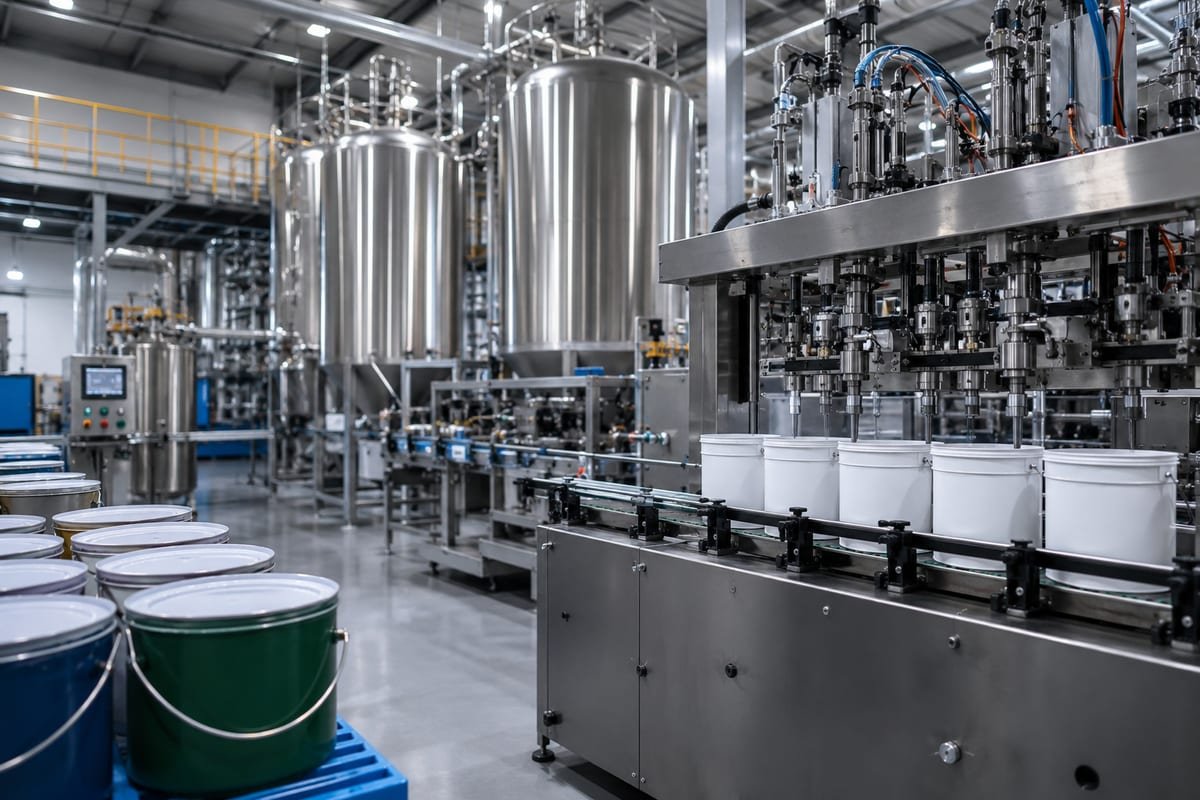
The material's role changes by industry — click any industry to see its full page.
Standards & Technical References
Every claim on this page traces back to a verifiable reference:
- Tier 1Government Publication40 CFR Part 59, Subpart D — National Volatile Organic Compound Emission Standards for Architectural Coatings
- Tier 2University/ResearchDevelopment of a Solvent Sustainability Guide for the Paints and Coatings Industry, Pilon et al., Green Chemistry (RSC), 2024, Vol. 26, Issue 18, pp. 9697-9711
Related Materials


