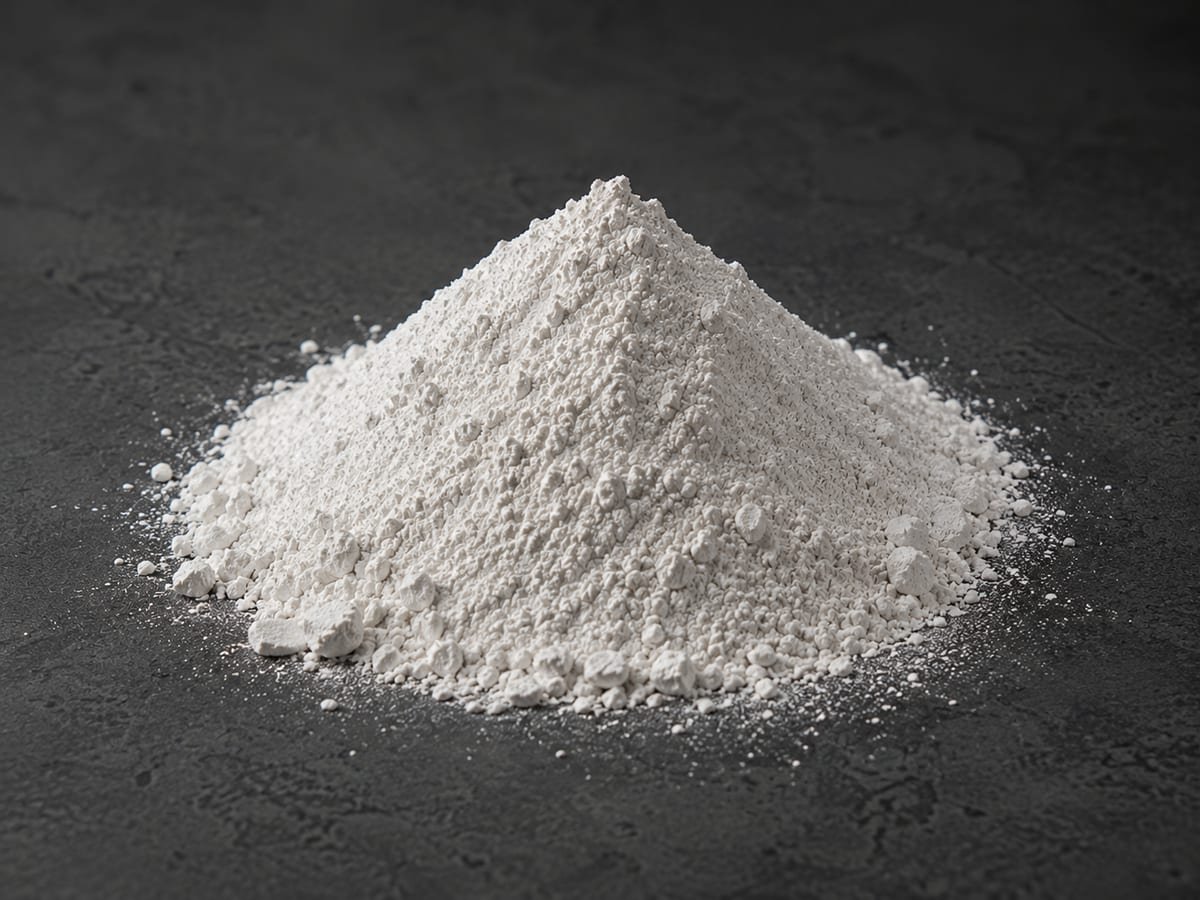
Filler that’s perfectly sized and pure can still perform poorly at the wet end — because retention, sizing, and strength all depend on surface charge, not particle characteristics alone, and mismatched charge is what actually breaks compatibility between filler and the other wet-end chemicals.
Root Causes
Zeta potential is documented as the controlling parameter for a wide range of wet-end effects — drainage, filler and fines retention, sizing, paper strength, and overall machine performance — making it a more fundamental variable than any single additive’s dosage rate. The documented optimum for papermaking is a zeta potential close to zero, and the underlying charge interaction is asymmetric by nature: fibers and trash particles in pulp suspension are typically negatively charged, while functional and process chemicals are mainly positively charged, meaning the wet-end system is inherently built around balancing opposite charges rather than adding chemicals in isolation.
This charge dependency connects directly to filler and sizing performance: zeta potential knowledge is documented as decisive for maximizing retention of fines, fillers, dyes, and resins, and for achieving optimal internal sizing, since sizing behavior itself relates to electrokinetics, pH, and formation together rather than sizing-agent dosage alone. The system is also documented as directly modifiable at the material level — paper-enhancing compositions can modify the zeta potential of calcium carbonate filler specifically, and applying such treatments at the wet end can increase zeta potential in a targeted way, meaning charge behavior is a specification a buyer can influence through filler treatment, not just a downstream process outcome to react to. Online charge demand measurement is documented as the practical tool mills use to monitor this system and adjust chemical dosage in real time rather than relying on a static formulation assumption.
What This Means for Raw Material Selection
Because zeta potential governs retention, sizing, and strength together rather than each independently, a buyer troubleshooting poor filler retention or inconsistent sizing should evaluate wet-end charge balance before assuming a filler-grade or sizing-agent-dosage problem in isolation.
The practical points for a buyer are: request or monitor zeta potential data for the specific furnish and filler combination in use, targeting the documented near-zero optimum rather than assuming any standard filler grade arrives charge-balanced for a given wet-end system; consider surface-treated or charge-modified calcium carbonate specifically when standard filler grades show retention or sizing inconsistency, since documented treatments exist to shift filler zeta potential in a controlled direction; and implement or verify online charge demand measurement as an ongoing process control rather than a one-time qualification check, since the documented practice is real-time monitoring precisely because charge balance can shift with furnish composition changes that a static formulation wouldn’t catch.
Sources: ScienceDirect peer-reviewed research on the effect of zeta potential on retention and drainage of secondary fibres; Pulp and Paper Technology industry technical article on online zeta potential measurement for the papermaking wet end; Paper-World.com industry technical article on wet-end optimization through charge environment measurement; USPTO patent literature on paper-enhancing compositions that modify calcium carbonate filler zeta potential.